
 End-to-end outreach workflow




Table of Contents
- Read recent articles, not just bios.
- Use headline keywords as shortcuts.
- Never pitch the same story a journalist just covered (unless it’s adding new value).
- Check for a 30-day publish gap.
- Track every journalist your team contacts.
Over the past ~12 years of pitching journalists, interviewing PR experts and journalists, and heading BuzzStream content, I’ve learned one thing: targeted outreach wins.
We’ve conducted extensive studies on the topic, held webinars on hyper-relevance, and created checklists for evaluating journalist fit, but I’ve recently been thinking about how to distill this into an easy acronym.
This worked well with my C.H.A.M.P. outreach method acronym, which can help you craft a media pitch.
This new one is F.I.T., which stands for Format, Industry, and Timing.
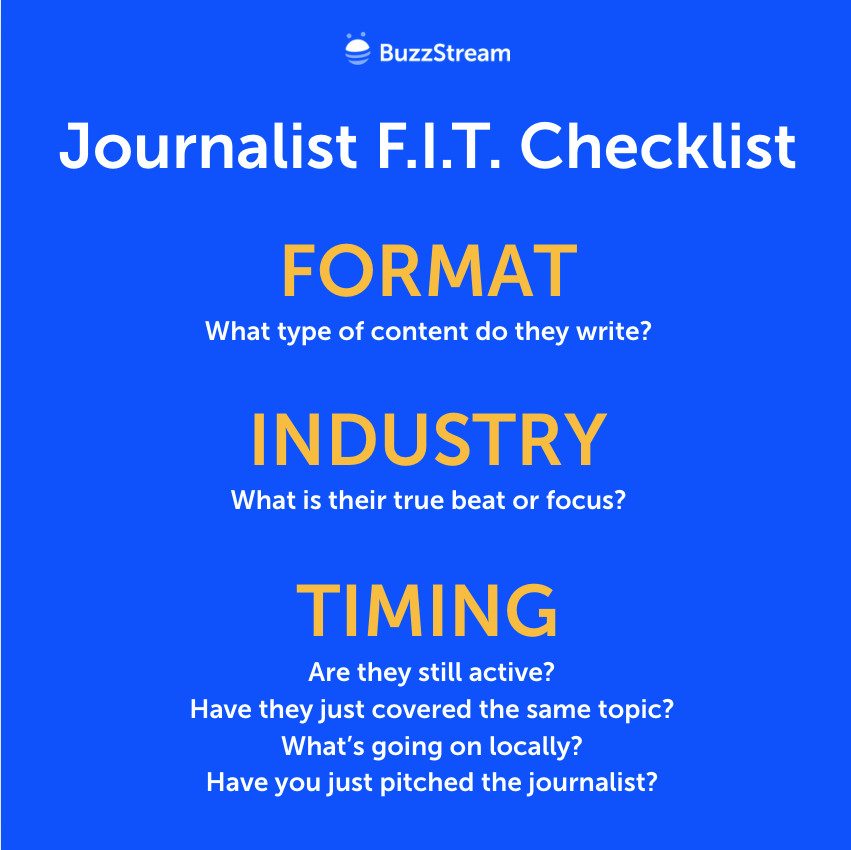
For this post, I’ll walk you through how you can run a F.I.T. check for journalists to determine if they belong on your media list.
Format – What Type of Content Do They Write?
Not all journalists cover the same types or formats of stories. And not all journalists are even open to pitches.
Based on my research, the posts written at a news publication mostly fall into these format buckets:
- Breaking News
- Live Coverage/Timeline
- Data Journalism
- Third-Party Data
- Investigative Journalism
- Op-Ed/Opinion
- Feature
- Exclusive
- Listicle
- Product Roundup
- Informational
- User-Submitted Question
- Video
However, these are not mutually exclusive.
You can have some journalists who cover third-party surveys as exclusives, or journalists who write multiple formats.
So, let’s get into how you can gauge this on your own.
How to tell a journalist’s Format?
Read recent articles to tell the format a journalist covers.
Most of the time, a bio is not enough.
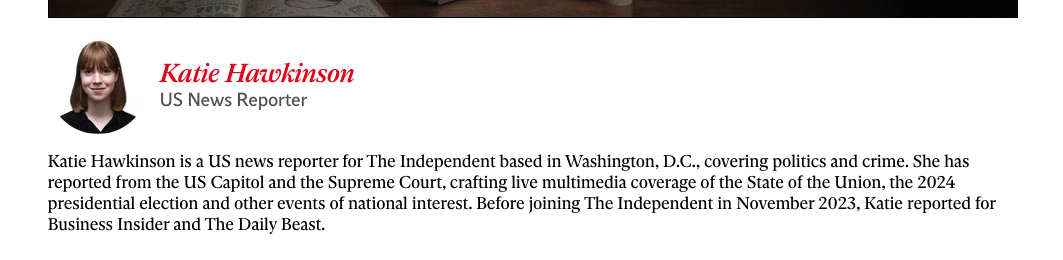
For instance, Katie Hawkinson at The Independent covers “politics and crime”. That is her general beat and industry (which we’ll cover in the next section).
But it doesn’t say the format of the stories she writes.
More about the story format can be gleaned from the recent articles:
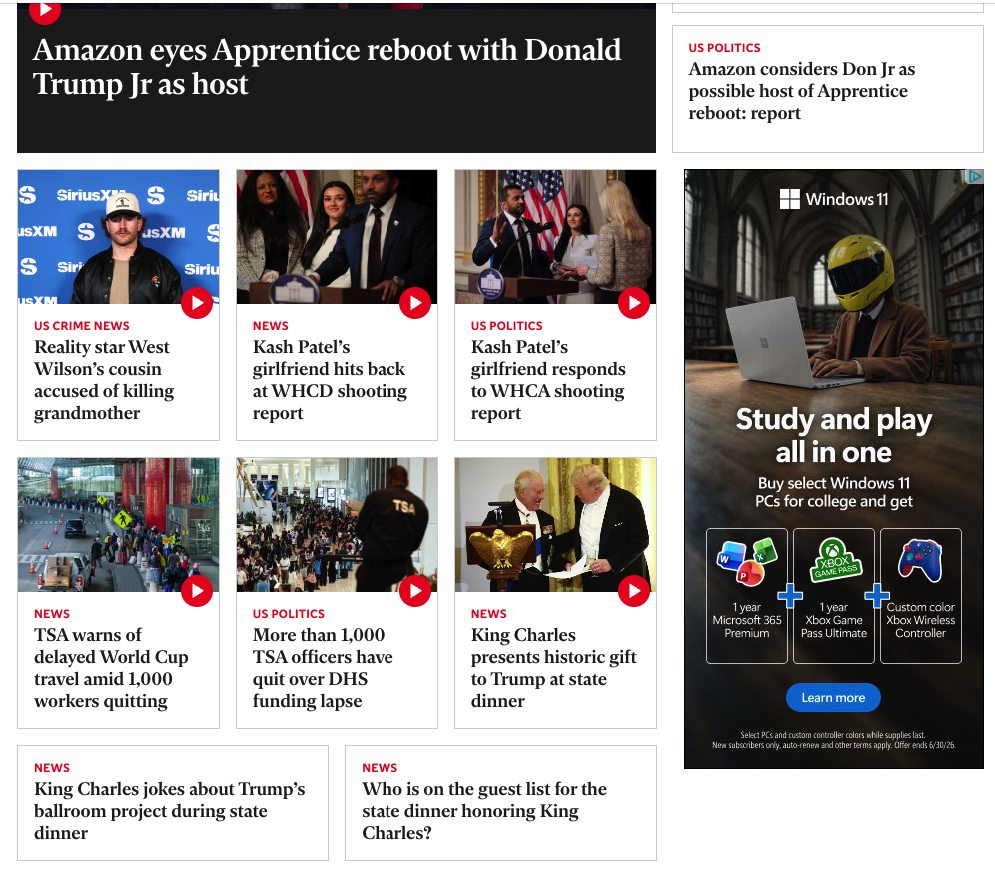
We see lots of coverage about breaking news – WHCD shooting, TSA officers quitting, King Charles’ visit to the White House.
So, it’s clear that the format she’s been covering recently is breaking news about current events.
That would discount stories related to crime and politics in DC, like “Washington DC named safest state to raise a family” or “Poll finds Americans don’t like to discuss politics.”
You can glean a lot of information from headlines. Here are some shortcuts to common phrases.
| Format | Common Headline Keywords / Phrases |
|---|---|
| Breaking News | Report, Breaking, Now, Latest |
| Live Coverage | Live Updates, Live, Timeline |
| Data Journalism | Data Shows, Chart, Graph, Analysis, Mapped, Visualized, Trends |
| Third-Party Data | Report Finds, Study Shows, Survey Says, According to, New Research, Poll |
| Investigative Journalism | Exposed, Revealed, Inside, Uncovered |
| Op-Ed / Opinion | Opinion, Op-Ed, Editorial, Commentary |
| Feature | The Story of, How, Why, Behind the Scenes |
| Exclusive | Exclusive, First Look, Insider |
| Listicle | Top, Best, Worst, X Ways |
| Product Roundup/Review | Reviewed, Tested, Buying Guide, Editors’ Picks, vs., Deals |
| Informational | What Is, How To, Explained, Overview |
| User-Submitted Question | Q&A, Readers Ask, Answered |
Let’s look at another example where we may need to dig deeper.
Say you were doing some product PR and wanted to get my Christmas Tree covered in a product roundup.
If I know I wanted coverage from Martha Stewart, I could do a site:marthastewart.com “Christmas trees” search on Google.
I see two articles.
One appears to be a listicle with 6 Things to Never Do When Decorating Your Christmas Tree:
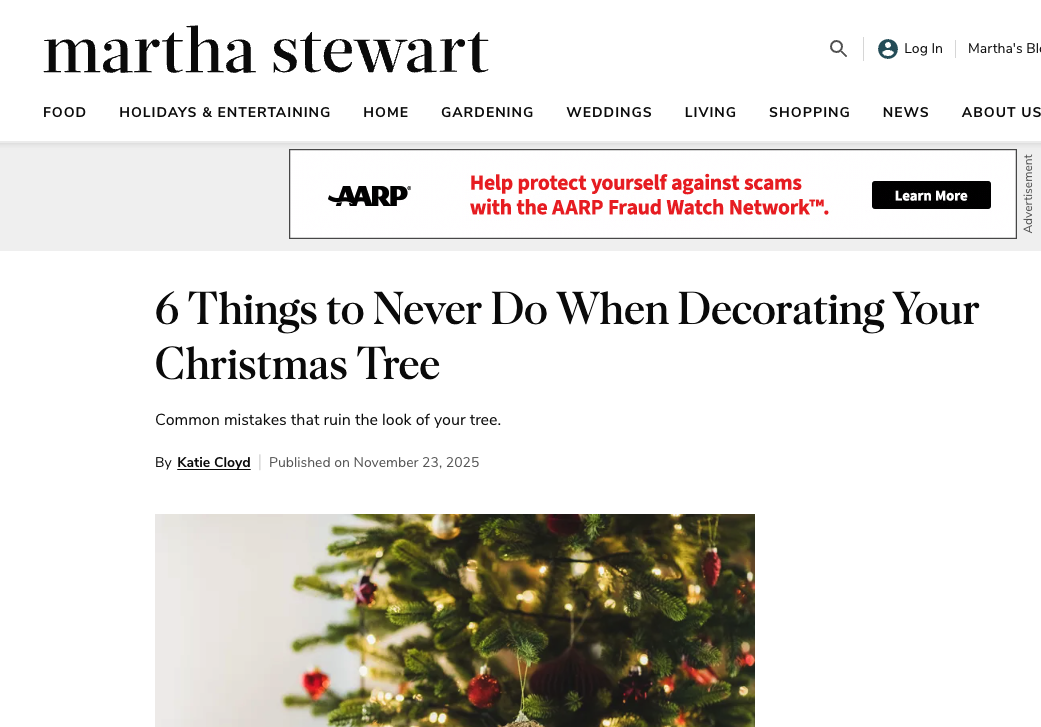
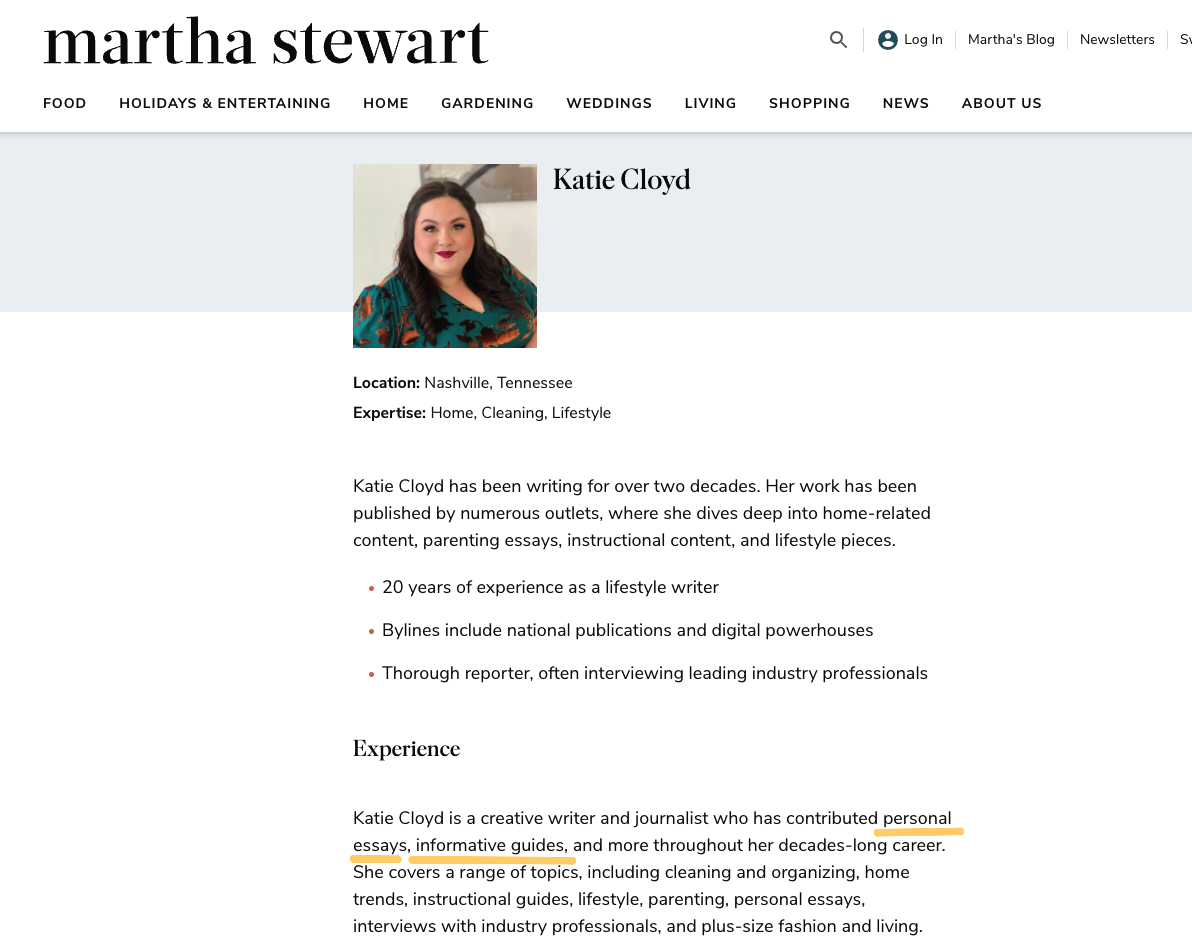
This is written by Katie Cloyd, who, when reading her bio, says she contributes “personal essays and informative guides” in a range of topics, from cleaning to parenting to home trends.
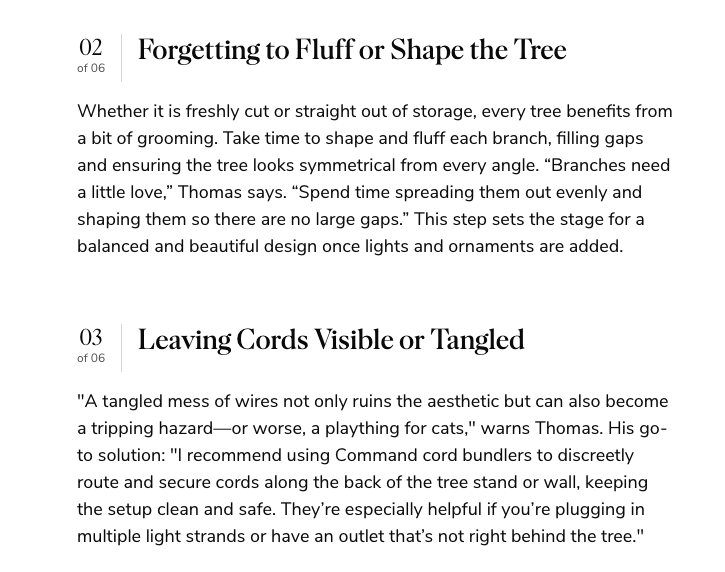
In the article, you can see that there are no links or products mentioned. Instead of a listicle, it is clearly just a helpful guide:
We can further confirm this by looking at her recent articles on her author page, all of which appear to be informative guides:
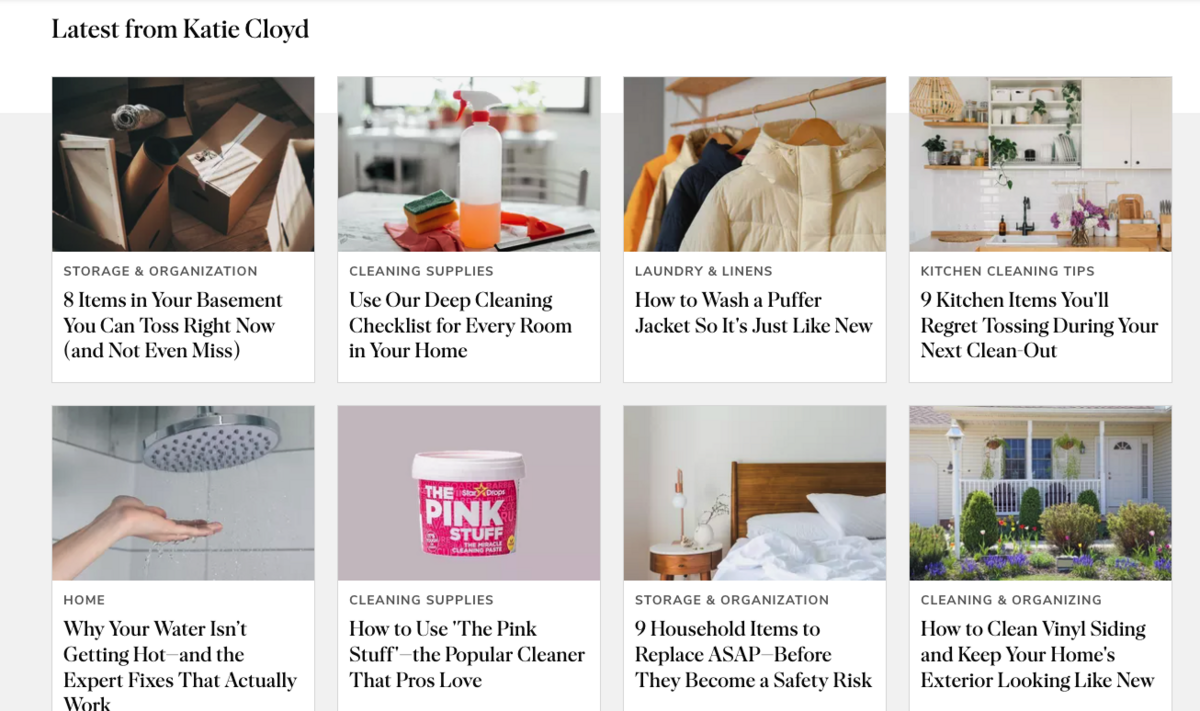
She is not a fit from a format perspective.
The other article I found on Martha Stewart is a listicle of artificial Christmas trees written by Madeline Buiano (Editor) and Nashia Baker (Associate Digital Editor) entitled “8 Artificial Christmas Trees That Look Even Better Than the Real Thing.”
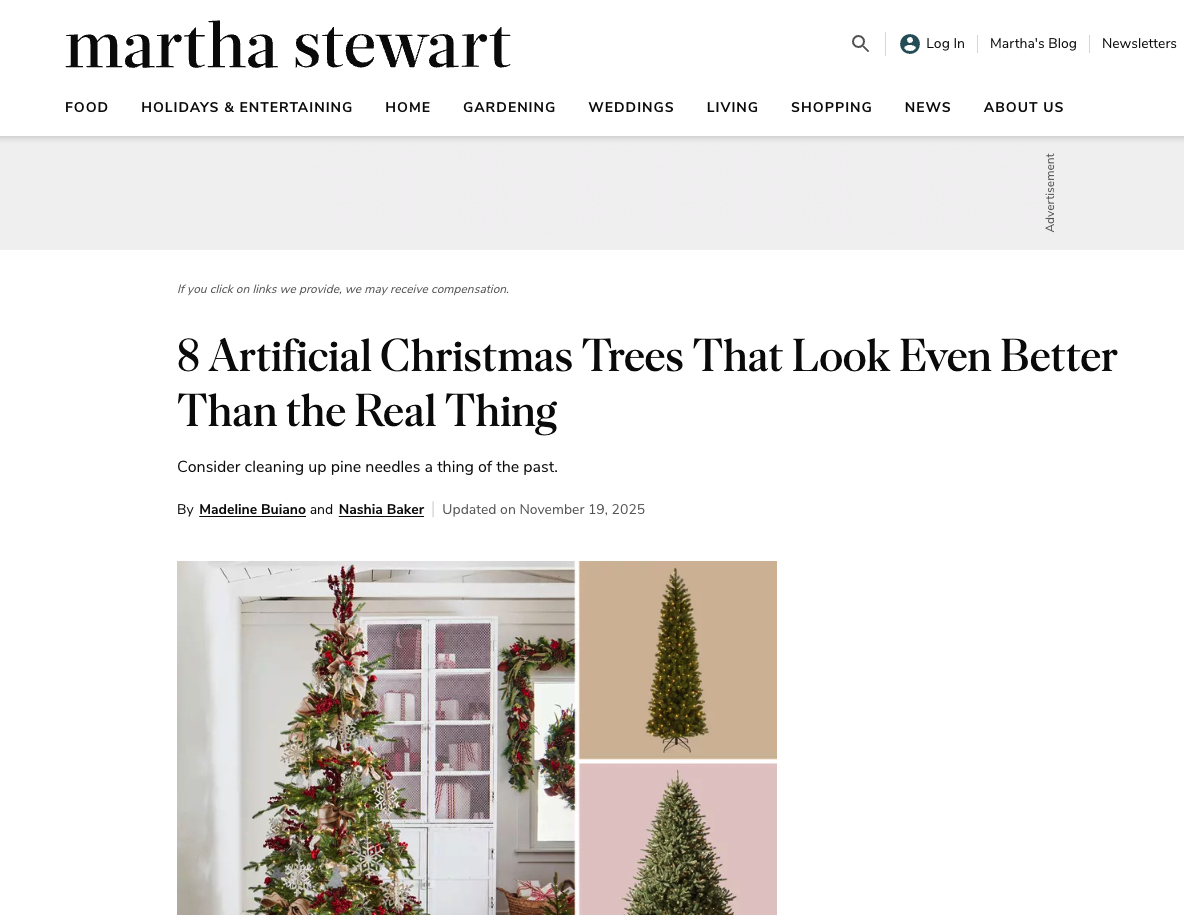
This is much more obviously a product-based listicle of artificial christmas trees, (compared to the previous article which was a list of things to do) but I can also read the article to confirm.
Within the text, I see that this is clearly a product listicle, complete with prices and affiliate links:
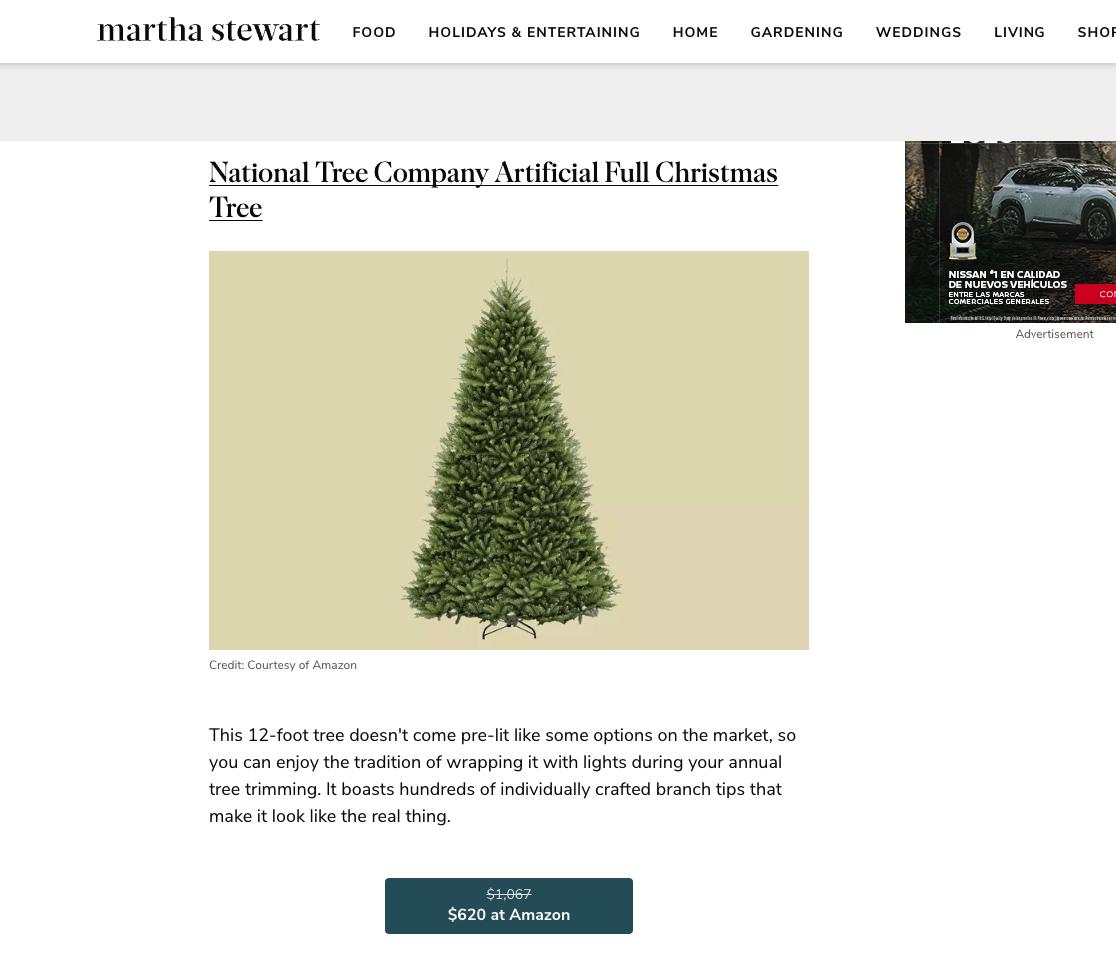
In this case, these in-house editors would be the better people to pitch for product inclusion on a round-up/listicle.
Now that we’ve got Format down, let’s look at the broader picture for Industry.
Industry – What is their Beat or Focus?
Industry may seem straightforward on the surface, but there are more nuances to a reporter’s beat than you may think.
Take something like “Health and Wellness”.
When ideating a story, you might have that in your mind as a potential outreach industry.
But what does that encompass?
Pain management, dieting, personal fitness, pharmaceuticals, mental health, toothbrush reviews, etc?
Understanding Industry can again be more than just what it says in the bio or a media database.
Take freelance journalist Rosie Taylor (our guest on the BuzzStream podcast).
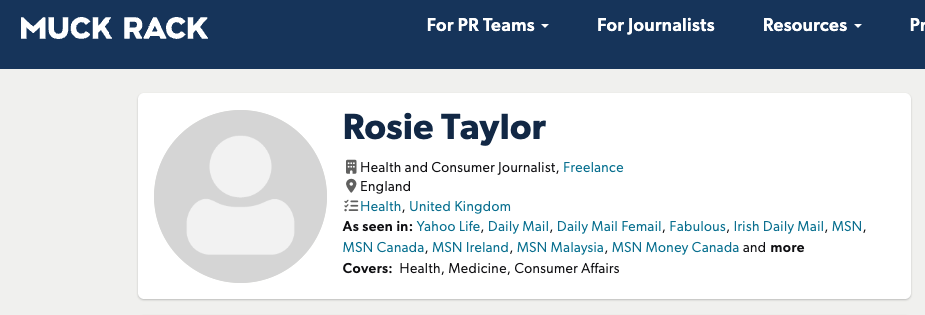
But before you go emailing her about your new health-related data study or expert commentary, check out how she explains herself on her personal site:
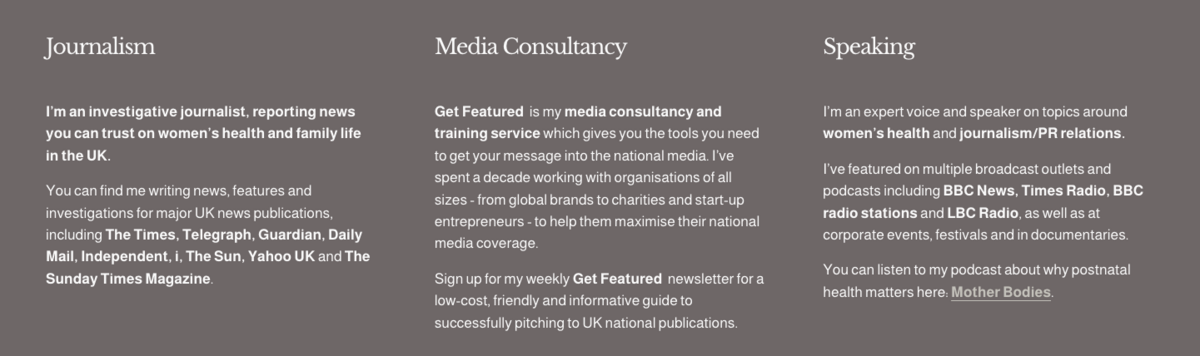
“Reporting news you can trust on women’s health and family life in the UK.”
Or her Authory profile:
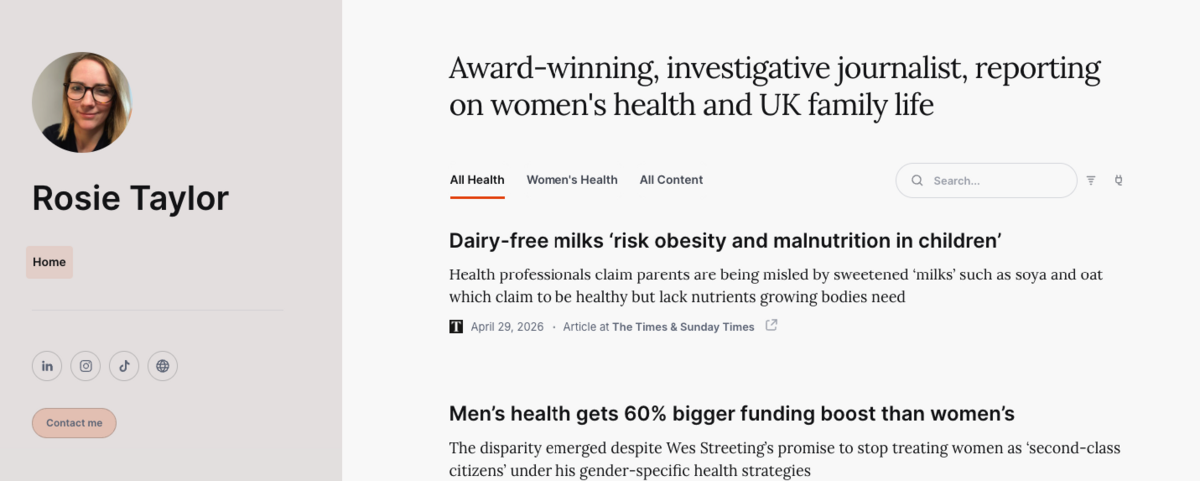
These tell a more specific story than just “Health and Consumer Journalist”.
Her focus on “women’s health and UK family life” is a much more specific industry.
Ok let’s get into how you can see this yourself.
How to tell a journalist’s Industry?
This one gets down to bio and recent articles, yet again.
Here’s Annie Palmer, who is a technology reporter.
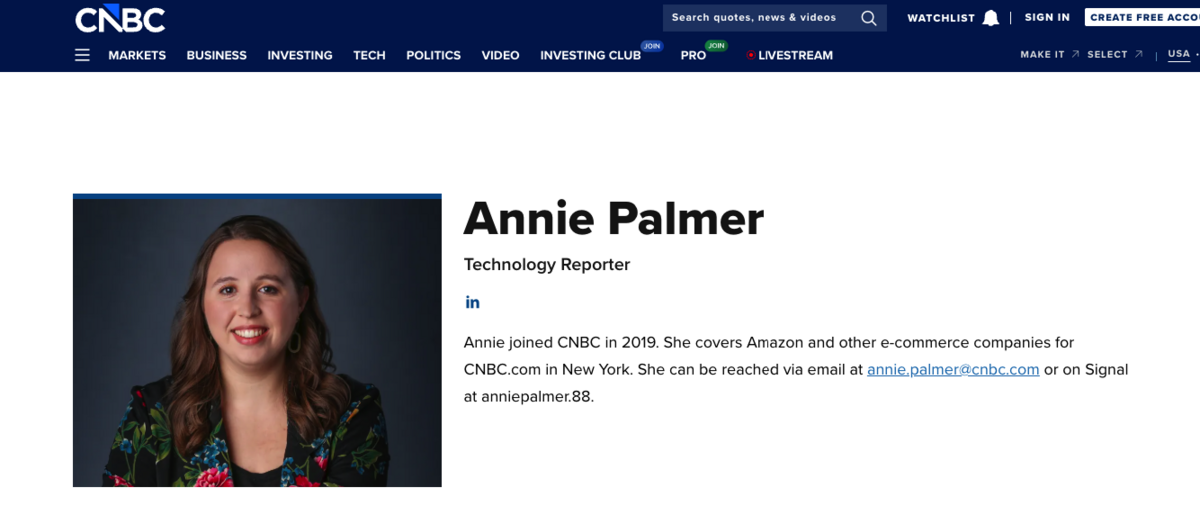
If you just stopped there, you’d pitch her any tech content, including product PR like “Best Laptop Deals for Black Friday” or third-party data studies like “New Poll Finds Men Spend More Time On Computers”.
Read a bit more of her bio, and you see she covers Amazon and other e-commerce companies, so she’s not a fit for any of the above.
Then, if we look at her recent articles you can see she also covers Meta, Alphabet, as well as some Apple-related news as well.
Most of the coverage seems to be focused on stock prices and other business dealings between companies.
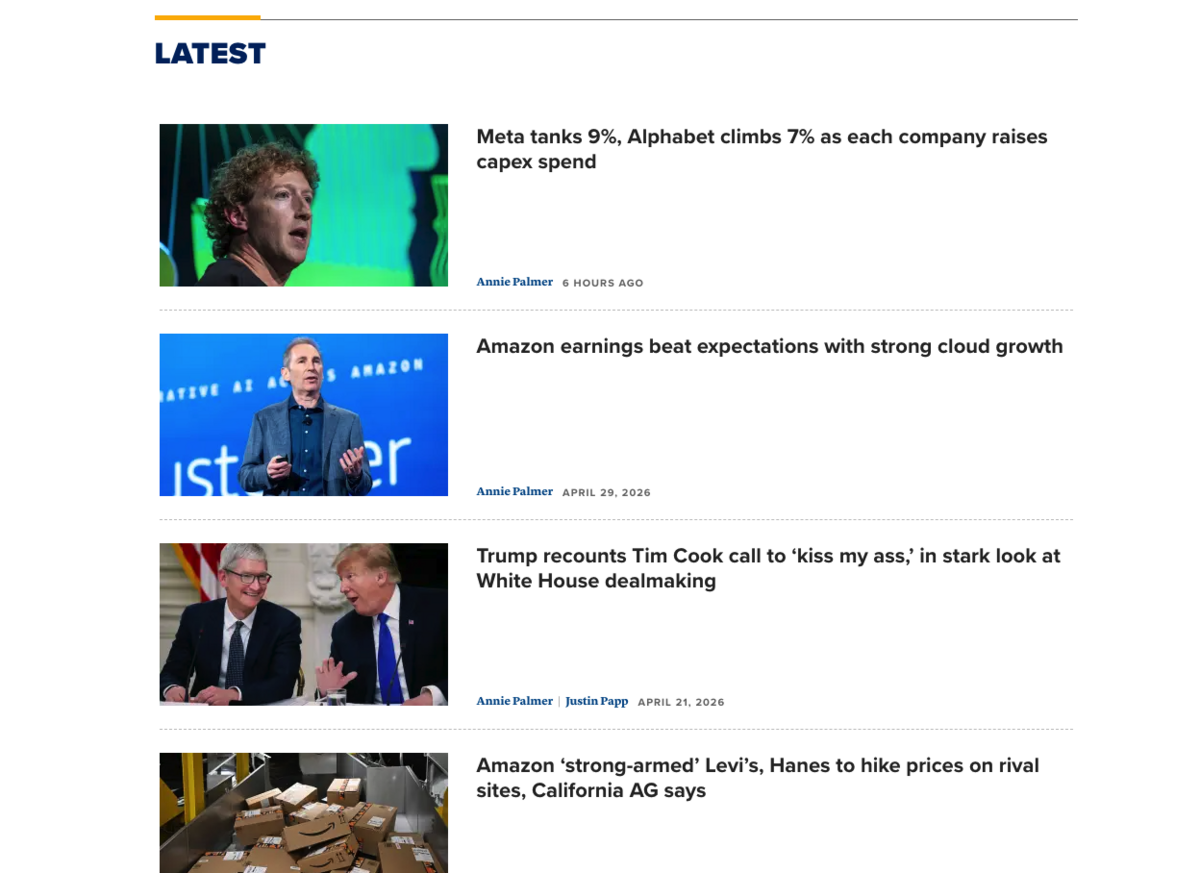
So, there is a very narrow window for pitching this “technology reporter.”
Let’s take another look.
Say I’m looking to pitch an article around eco-conscious cities.
Here is Jennifer A. Dlouhy, whom I found doing a Google search for “eco journalist”.
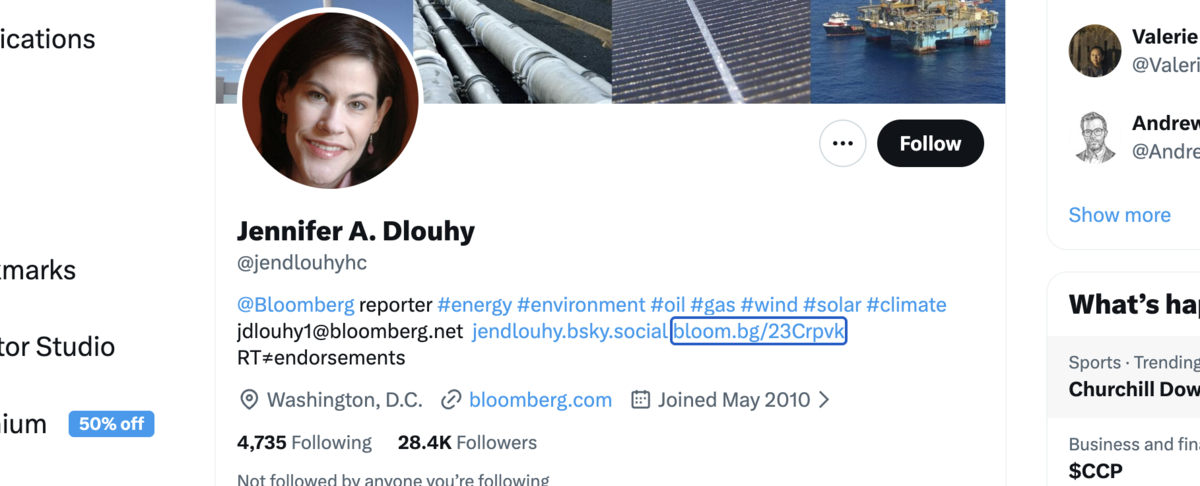
When we look at her industries and beats, we can see energy, environment, oil, gas, wind, solar, climate, making her a great fit for an article around eco-conscious cities.
However, when we look at her actual articles, we see that all of the recent ones are covered with some type of political/breaking news angle:
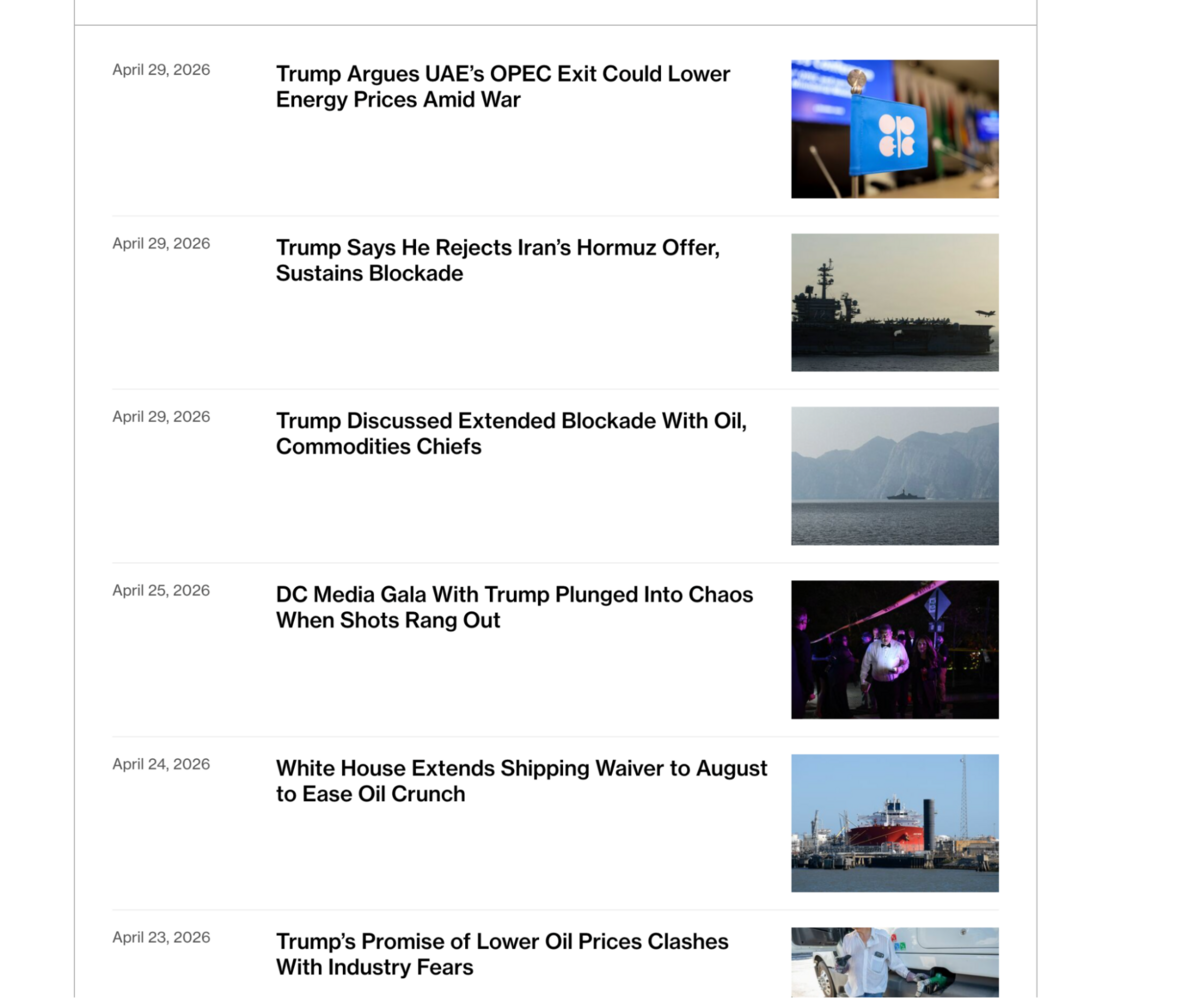
Obviously, everything is about oil right now because that’s in the news.
So, yes, she is a journalist who covers “environment,” but the stories she produces are way more tied into current events.
Furthermore, as per the prior section (Format), the story format is breaking news, not a features piece that will share third-party data.
Now that we have format and industry handled, let’s look at the last bit: timing.
Timing – Is it the right time to reach out?
There are a few different ways to look at whether or not the timing is right, and really, you want to hit all four of these:
- Are they currently active at the publication?
- How long since they’ve covered the same topic?
- Is there something occurring locally that might stop you from pitching?
- Have you/your organization pitched the journalist for another campaign?
The first is a very simple, straightforward look at if the journalist has written recently at your target publication.
If not, you can quickly discount the journalist from contention.
How to tell if they are active at the publication?
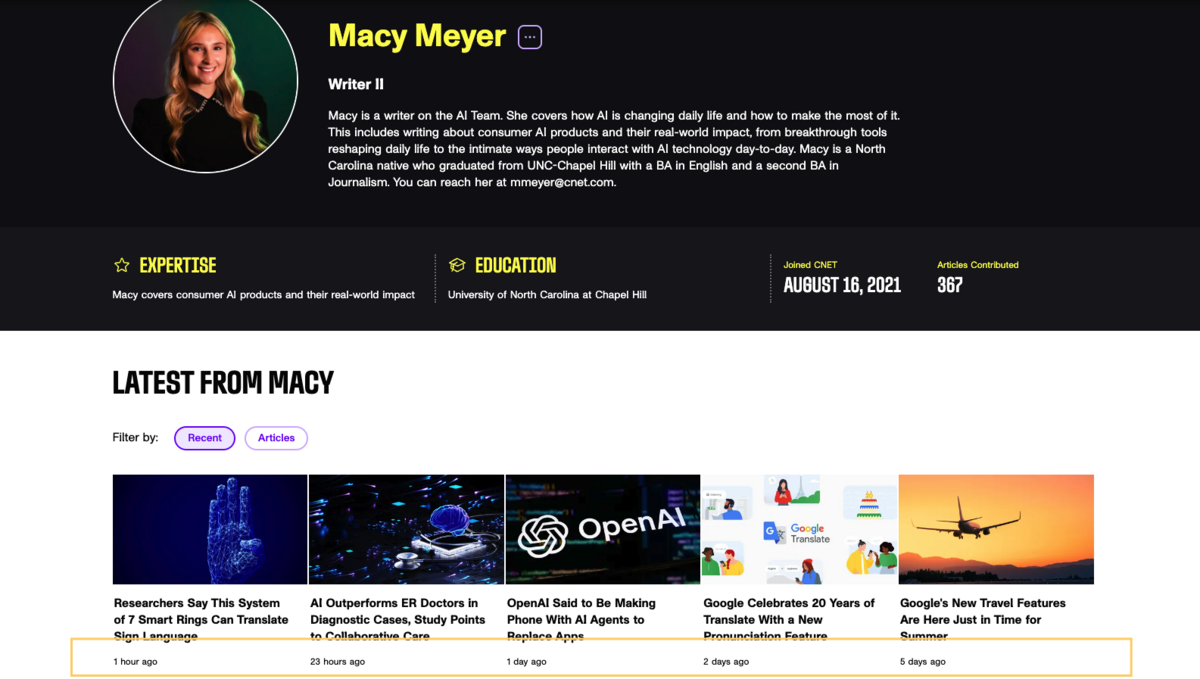
To tell if a journalist is active at a publication, look at their recent articles for date stamps.
A good limit is 30 days. If they haven’t written for 30 days, there’s a good chance they are no longer with the publication.
For instance, Macy Meyer at CNET is very active.
The only exception to that is when they are freelancers (or potentially on some type of leave of absence).
If they are freelancers, you’ll sometimes see gaps in their publish dates if they’ve jumped around writing at different publications.
For instance, using our 30-day rule, Sarah Klein isn’t active at Men’s Health, with the last story published about a year ago:
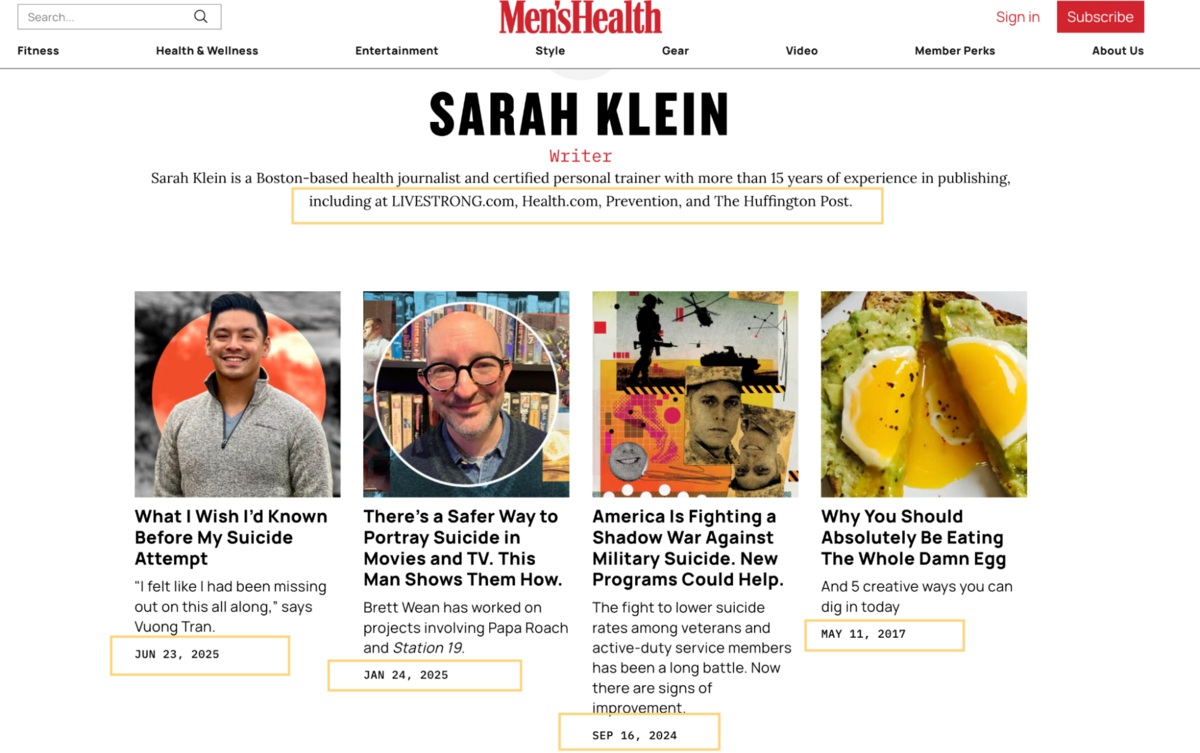
So, if you were looking to get coverage in Men’s Health, she wouldn’t be a fit.
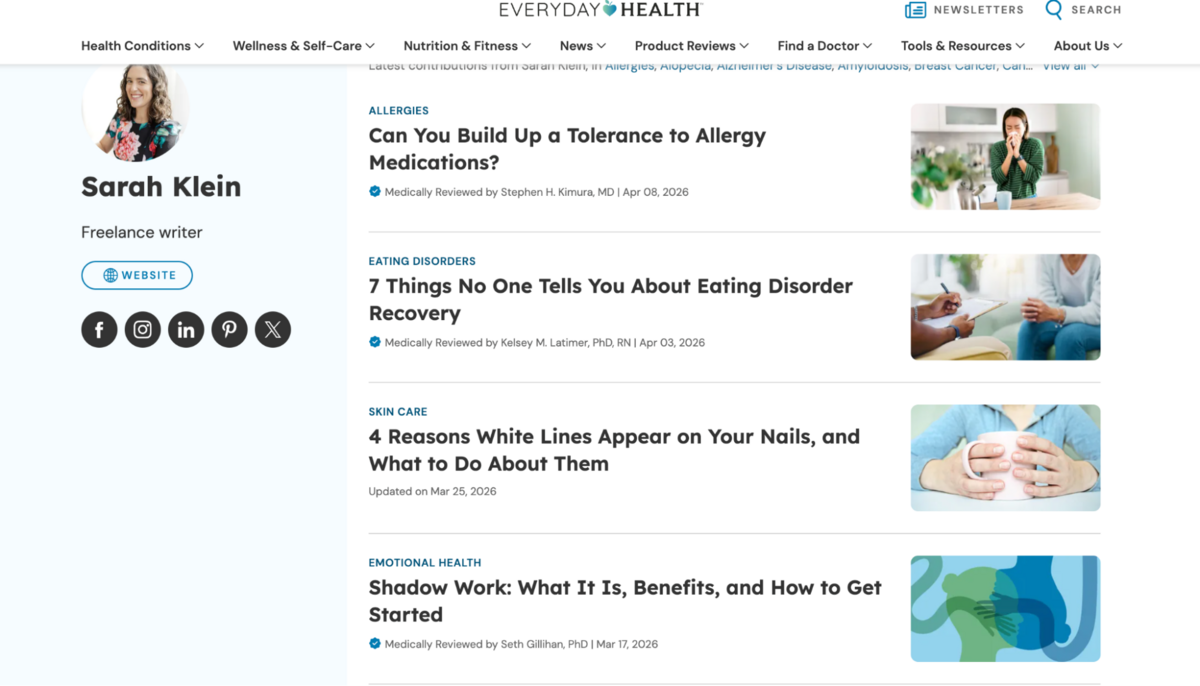
But if you were looking to pitch her specifically—because you think she is still a fit, format- or industry-wise—her bio also says she writes for Livestrong, Health, Prevention, and HuffPo.
A simple Google search for her name reveals her articles on Everyday Health, where she writes on a much more consistent, recent schedule:
The next timing consideration is how long since they’ve covered the same topic.
How to tell if it’s OK to pitch the same topic?
You should never pitch a journalist the same story as one they’ve just covered.
I would wait at least 2-3 weeks, unless you are adding to an ongoing story (which I’ll get into next).
It’s OK to pitch a story that is the same format, however.
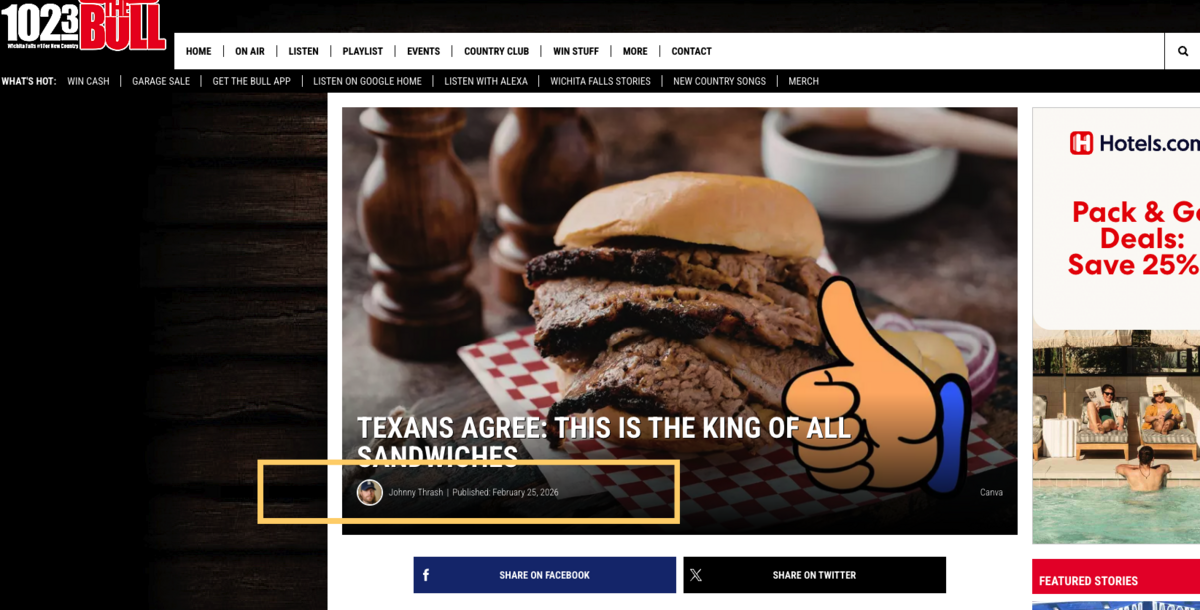
For instance, here’s 102.3 The Bull’s Johnny Thrash covering two best listicle-type studies within a week:
One about Texas’ best sandwiches:
And the next on two Texas breweries on a best list:
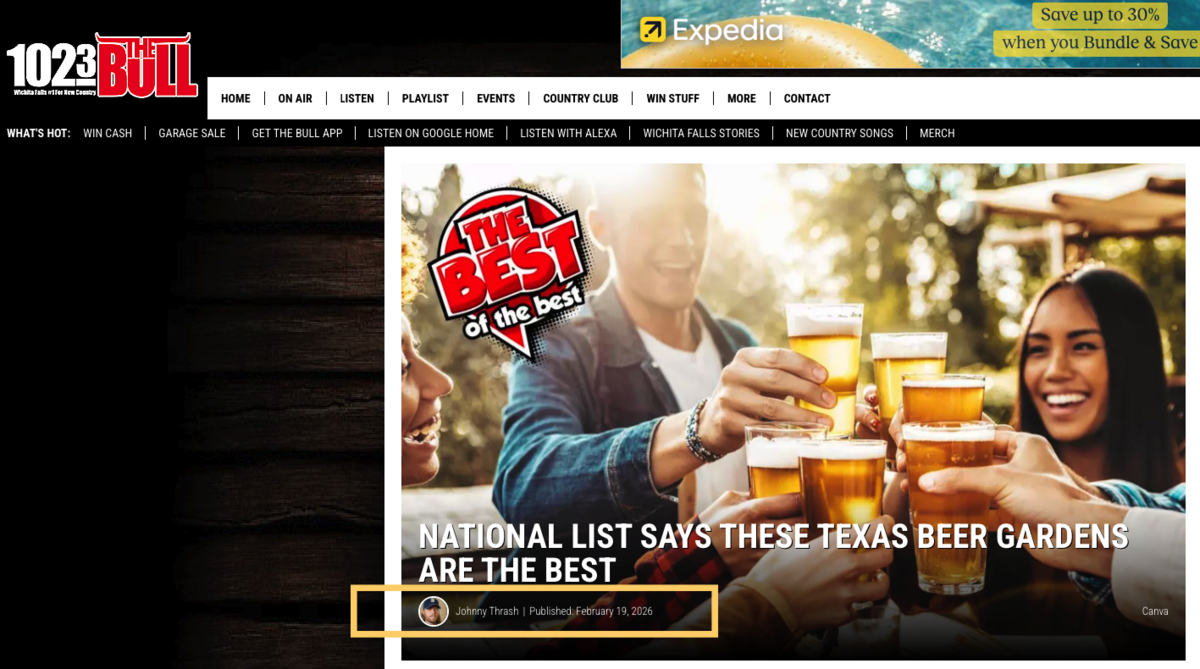
But this gets a little more complicated because it depends on the type of story and ultimately comes down to the journalists.
It’s OK to pitch the same topic if you are adding to the story or offering a new angle, such as newsjacking or reactive PR.
In both cases, you are providing new value for the journalist.
Becca Peel, head of Digital PR at Tank, recommended “to wait a few weeks (after an initial pitch) and revisit it from a different angle.
However, if your story simply sits within the same topic area, it can be worth pitching immediately.”
Similarly, Alex Fiske, Digital PR Lead, Aira, said, “Common sense would tell us that pitching a similar story when the journalist has covered it just a month ago is too close and therefore we’d wait.
However, if we feel our new data/angle can offer a fresh perspective, we won’t be afraid to send it to the journalist, often highlighting how our angle offers something new.”
Here’s where the difference is: if you are adding value to an existing story, fire away.
Let’s look at an example:
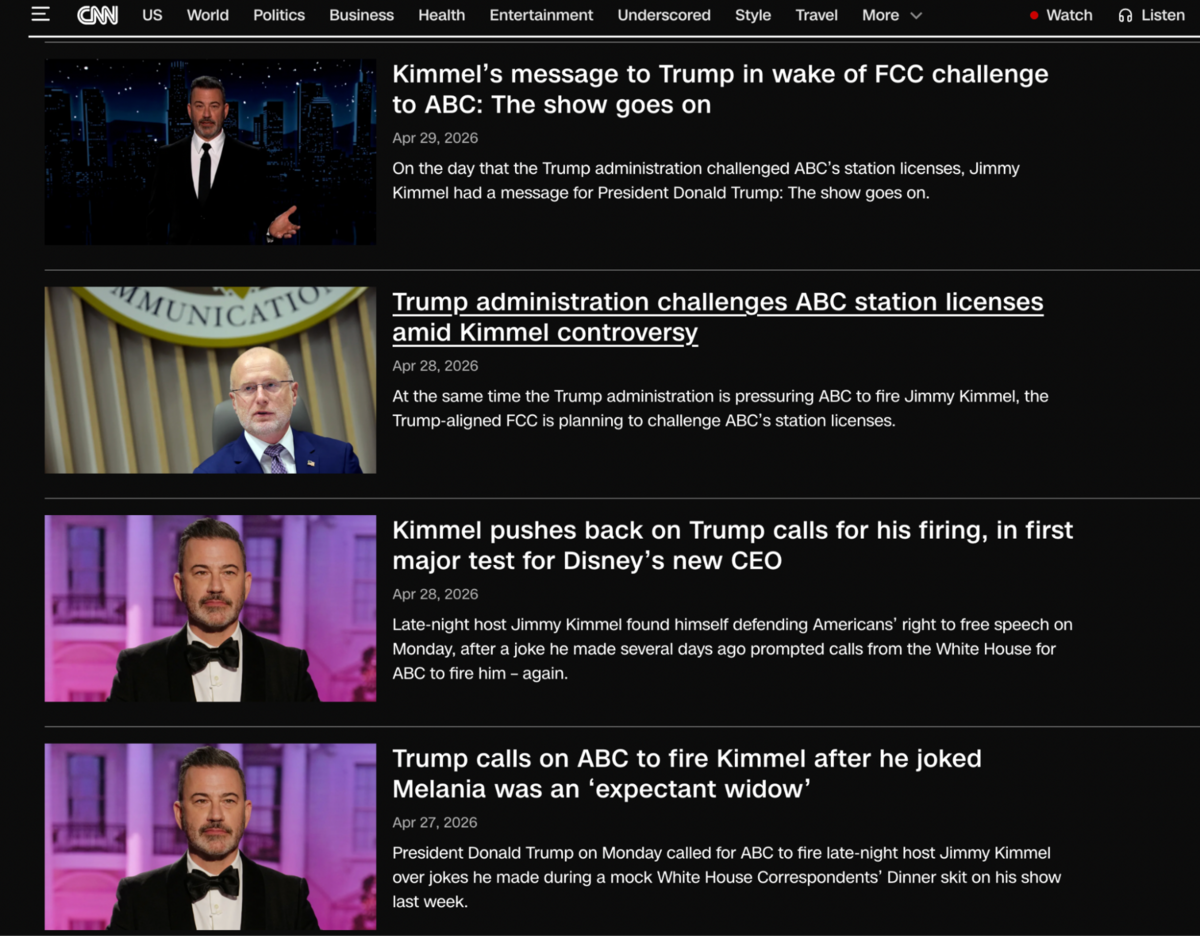
Chief Media Analyst at CNN, Brian Stelter, covered the same exact story two days in a row but with alternate angles, first from Trump and then from the Kimmel response:
Here’s another example.
Jennifer A. Dlouhy covered the blockade’s impact on oil on a daily basis:
These journalists who cover breaking news will typically follow up the same story threads for multiple days in a row and publish a lot MORE content.
But not all journalists are the same.
Ellie Hearn, Client Strategy Lead, with Digitaloft, mentioned gauging the journalist and understanding the pace of content: “If you’re pitching to a journalist who typically writes one story about a subject and moves on, then I might hold off on the repitch and wait until you have something new to share with them.”
Next, let’s consider what’s going on locally.
How to tell if the timing is right in their location?
You can tell if the timing is right for their location by looking at what’s happening in the news in that area.
Extreme weather, such as snowstorms or wildfires, can upend local news. Here’s a look at the homepage for a local news site in Jacksonville, FL:
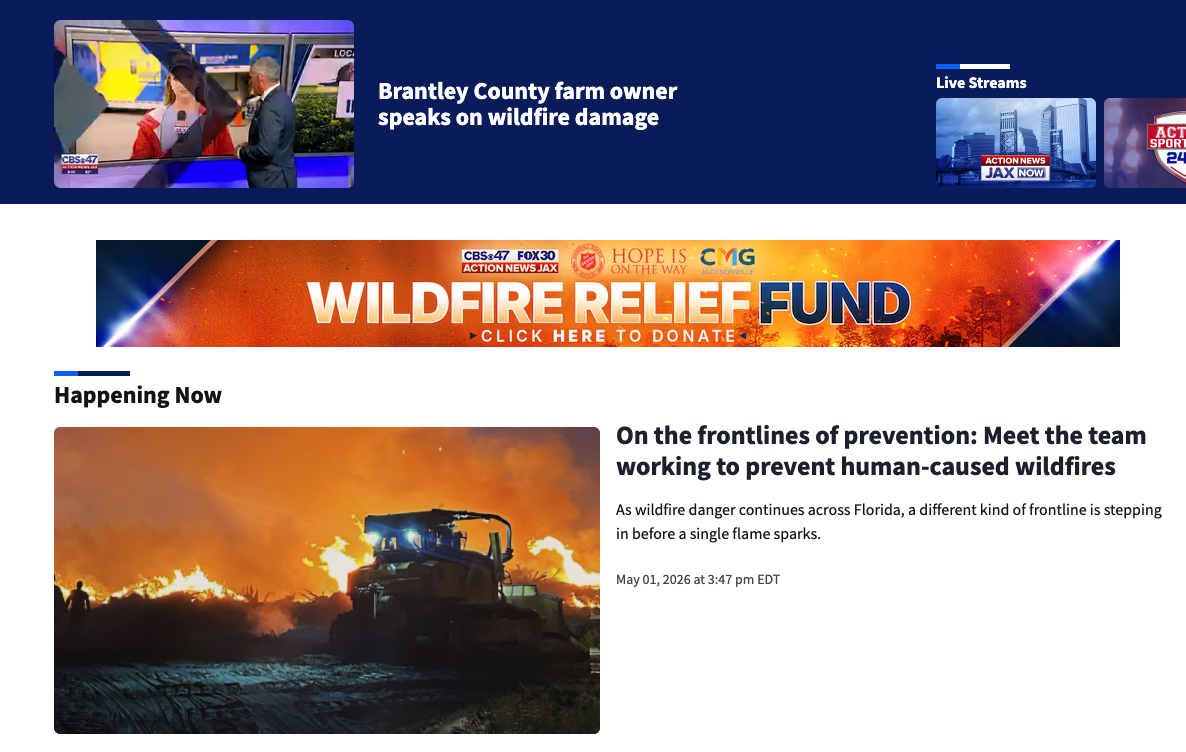
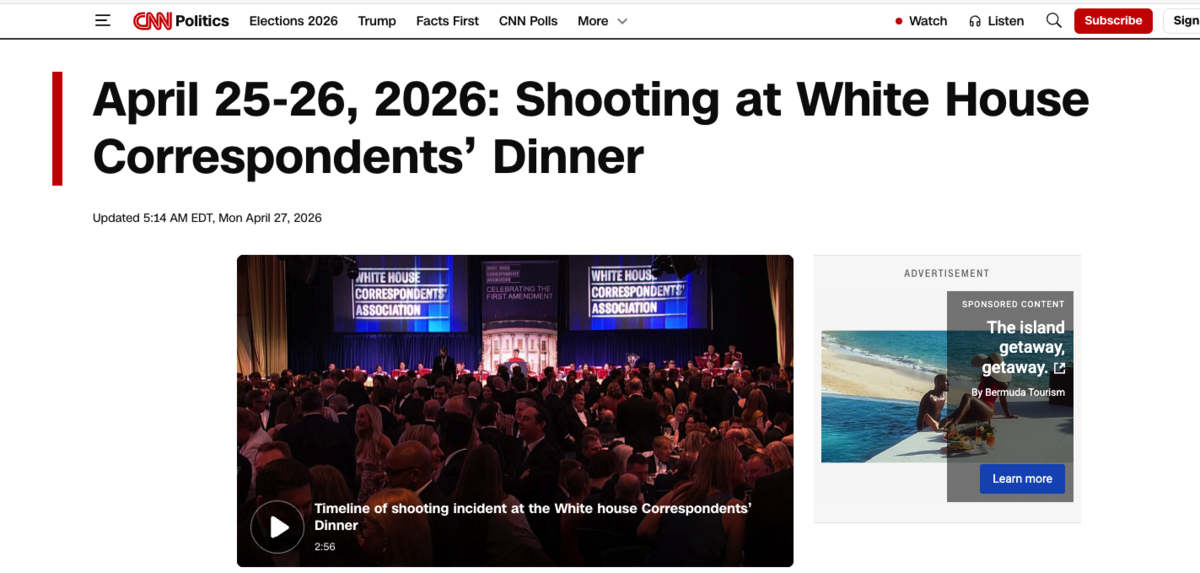
In other cases, major tragedies, active shooters, and other events can halt coverage of other stories:
At the journalist level, some will post on socials to let you know whether the timing is right.
Here are two journalists tweeting about being on annual leave.


Lastly, there’s one hidden timing scenario that plagues many agencies: overwhelming the same journalist with pitches.
And for this, there is really only one foolproof solution.
How can you tell if a journalist has been pitched recently?
The best way to tell if a journalist has been pitched (by you or a colleague) recently is by keeping track of every journalist you’ve contacted.
I’ve had journalists get pissed off at the number of emails from an agency I worked at, to the point where they’d blacklist the entire agency.
The easiest way to see whether a journalist has been pitched recently is to use a CRM like BuzzStream.
With BuzzStream CRM, you see who you’ve contacted, when you’ve emailed, what you’ve said, but also who on your team has contacted them as well.
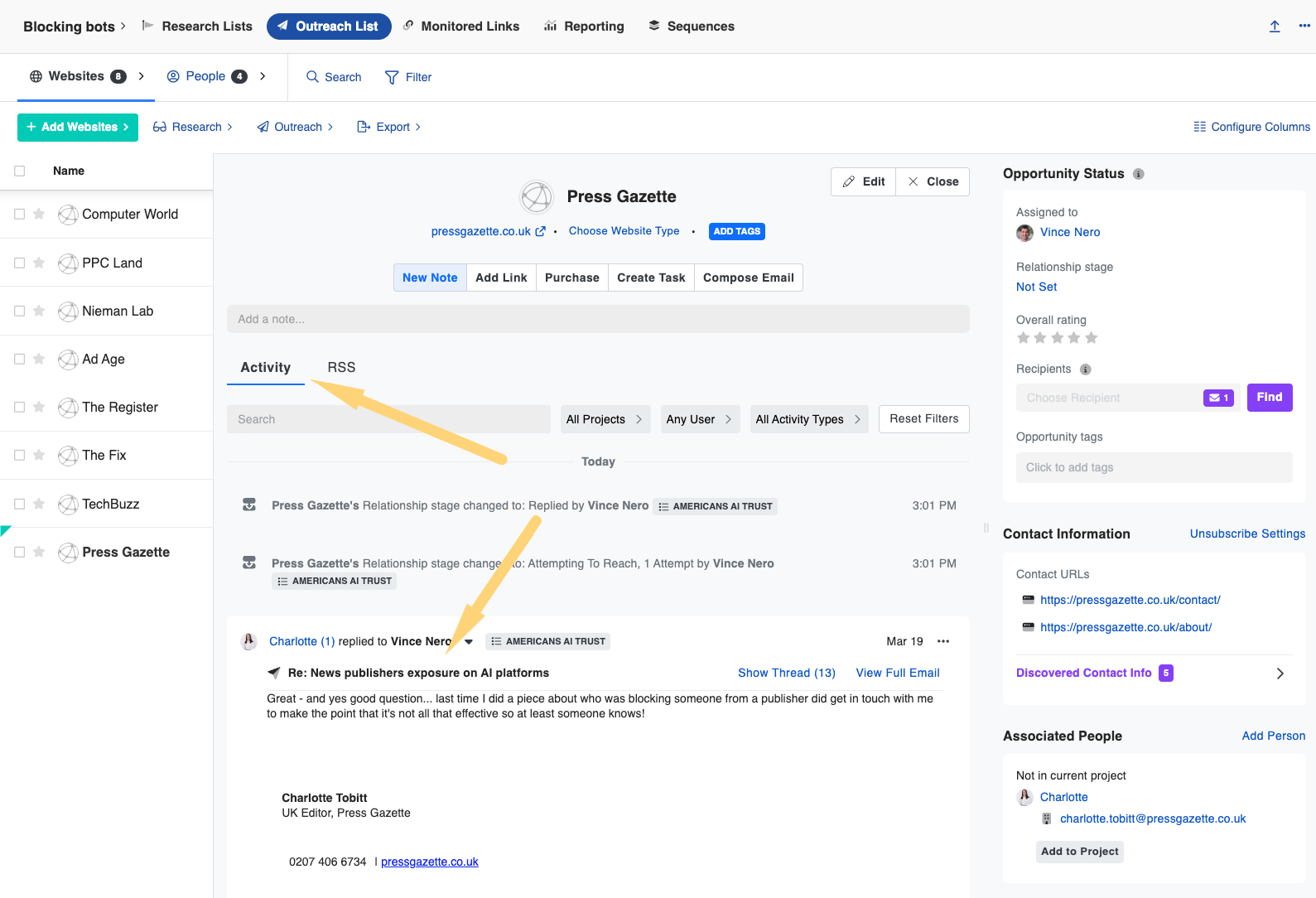
At our agency, we implemented a rule that you couldn’t reach out to the same journalist across the entire agency for at least ~5 days (with the same exceptions that we listed above about reactive PR).
Chloe Meadows, Head of Digital PR, Digitaloft, echoed this concern: “From a PR perspective, we never want to overload a journalist with multiple pitches, particularly from the same agency, never mind the same client/ story.
Tools like Buzzstream are particularly valuable in helping ensure you’re not sending overlapping outreach for different clients to the same contact.”
And this is where pitching relevant journalists really drives home. Because the more you or your team emails people who aren’t a fit, the more potential you are blocking for others at your agency.
So, all things considered, the timing is right when:
- Your journalist is still active
- Your piece or story is new or adds to an ongoing story
- There’s nothing going on that is dominating the news coverage (either in the area or in the journalist’s life)
- You or your colleagues haven’t pitched them recently
Skipping any of those will most likely tank your outreach plans.
Do a F.I.T. Check with ListIQ
We built ListIQ to help make this process a bit quicker. Let me run you through how I would go about the F.I.T. check using the Christmas tree product PR example.
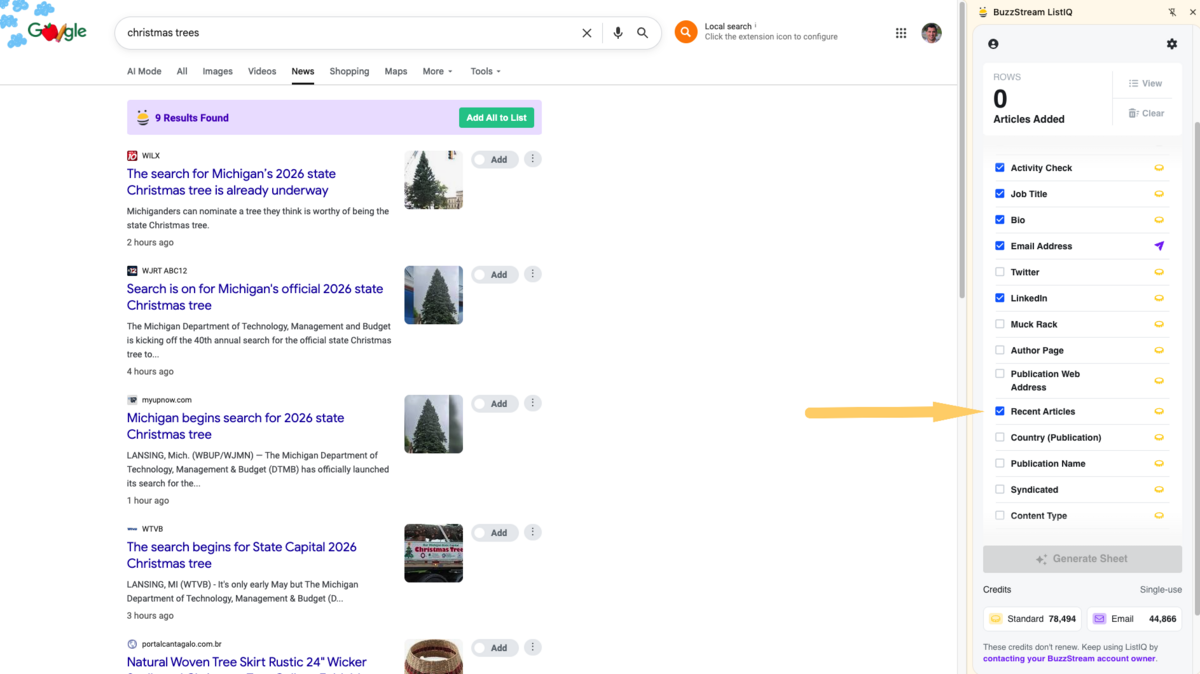
If I wanted to find some journalists who wrote about Christmas trees, I can first start with a very general search and enable ListIQ.
Format Check with ListIQ
The “Recent Article” info is the easiest and quickest way to gauge the format check.
I can select Recent Articles:
Then, when I generate the sheet, I can see the recent article dates and titles to help understand the coverage:
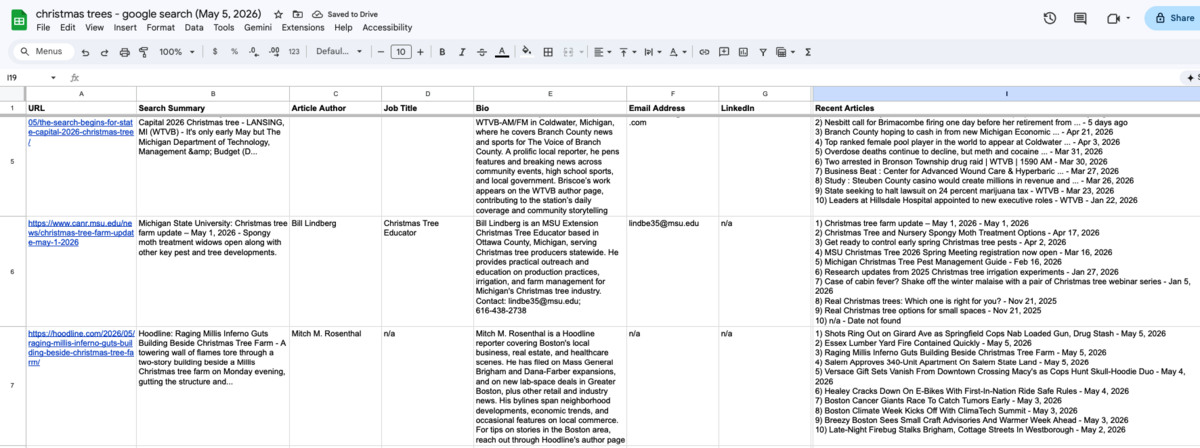
For instance, the first person, Bill Briscoe, seems to cover more local breaking news in Michigan.
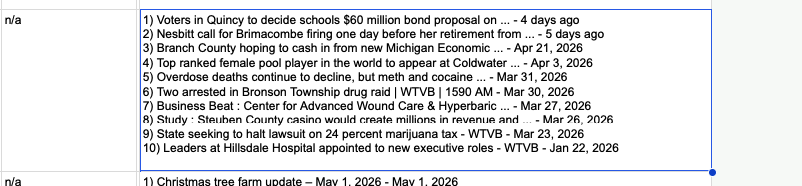
He would most likely not be someone I would pitch to get included in a product listicle around Christmastime.
Industry Check with ListIQ
To gauge the industry, you can first check the bio, then the recent articles.
To get bio information, I ensure Bio is selected:
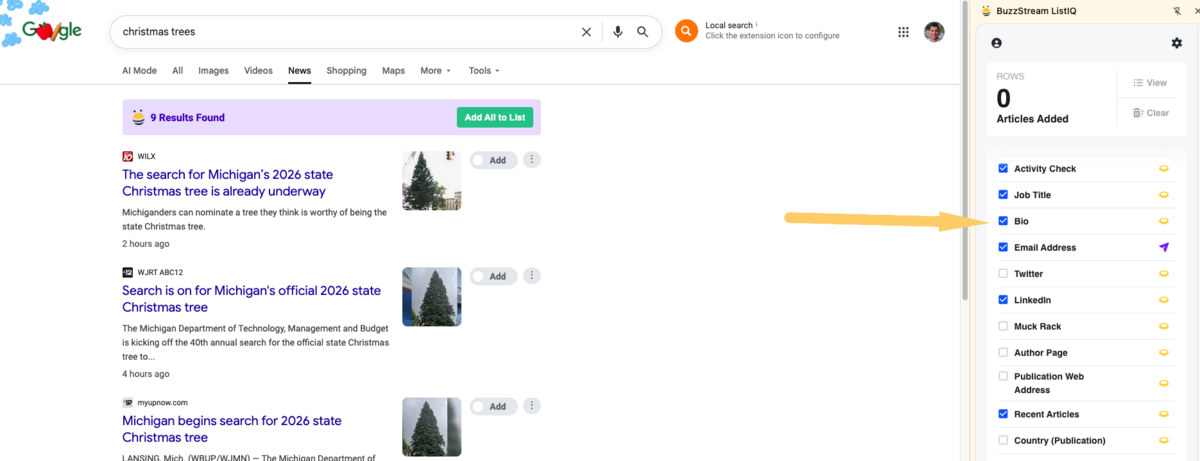
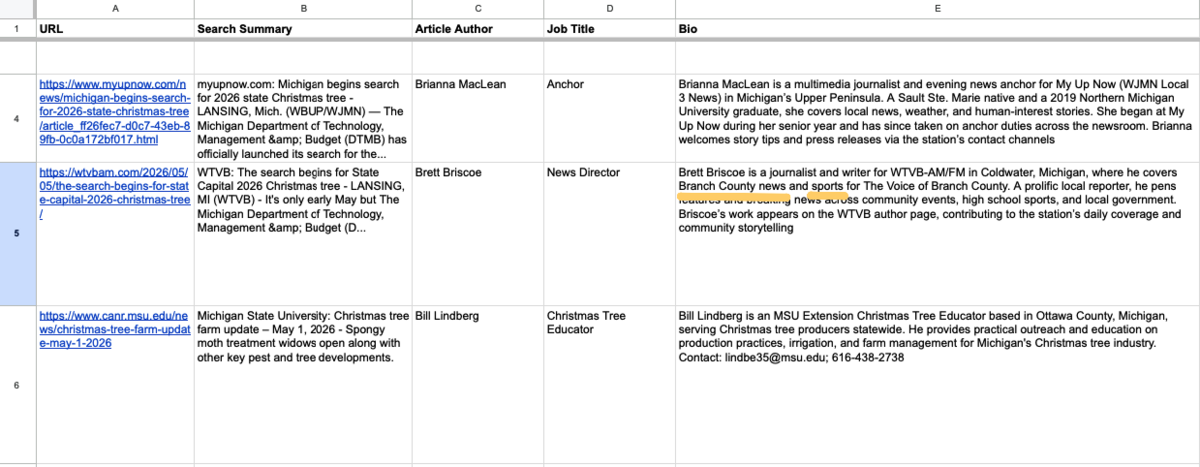
Then, when I generate the sheet, I see biographical information, which is pulled from various sources, like social and author page bios.
For instance, here is Bill Briscoe, who says he’s a local reporter penning Branch County news and sports, meaning he would not be open to sharing something about a Christmas tree unless it was directly related to his town.
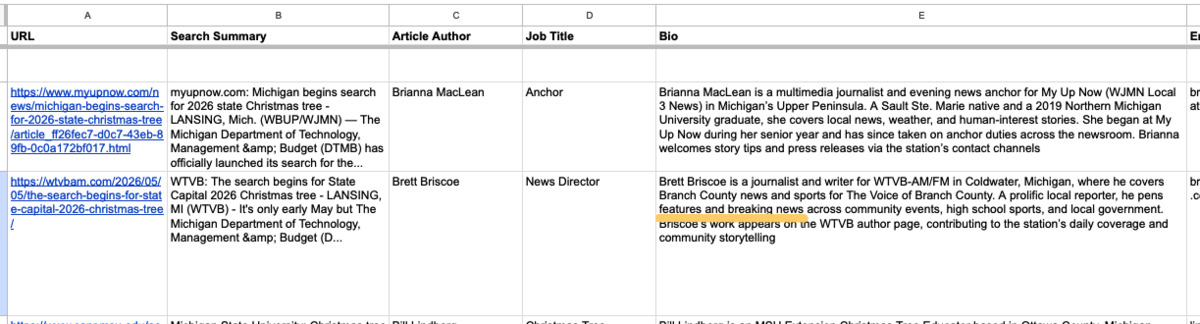
As a bonus, we also get our Format check, where it says he covers features and breaking news.
Next, we’ll look at the timing check.
Timing Check with ListIQ
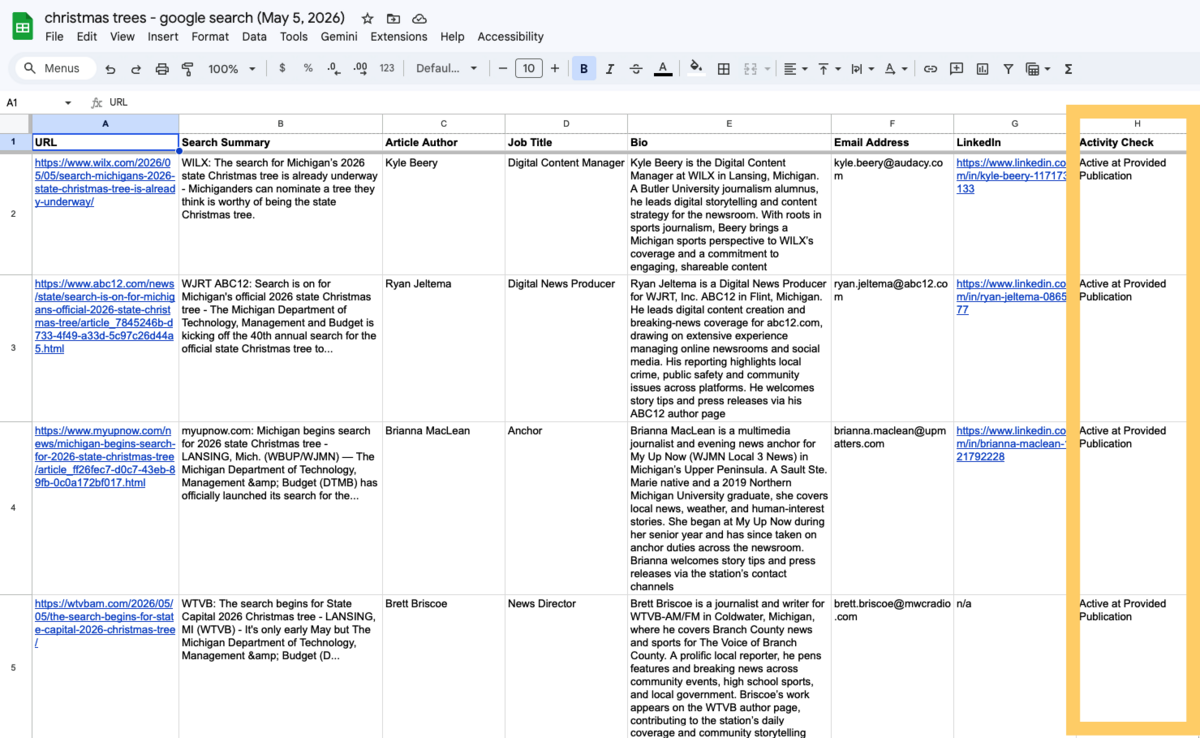
Here’s how to gauge if the journalist is still active at the publication (Timing).
Be sure “Activity Check” is selected from the columns.
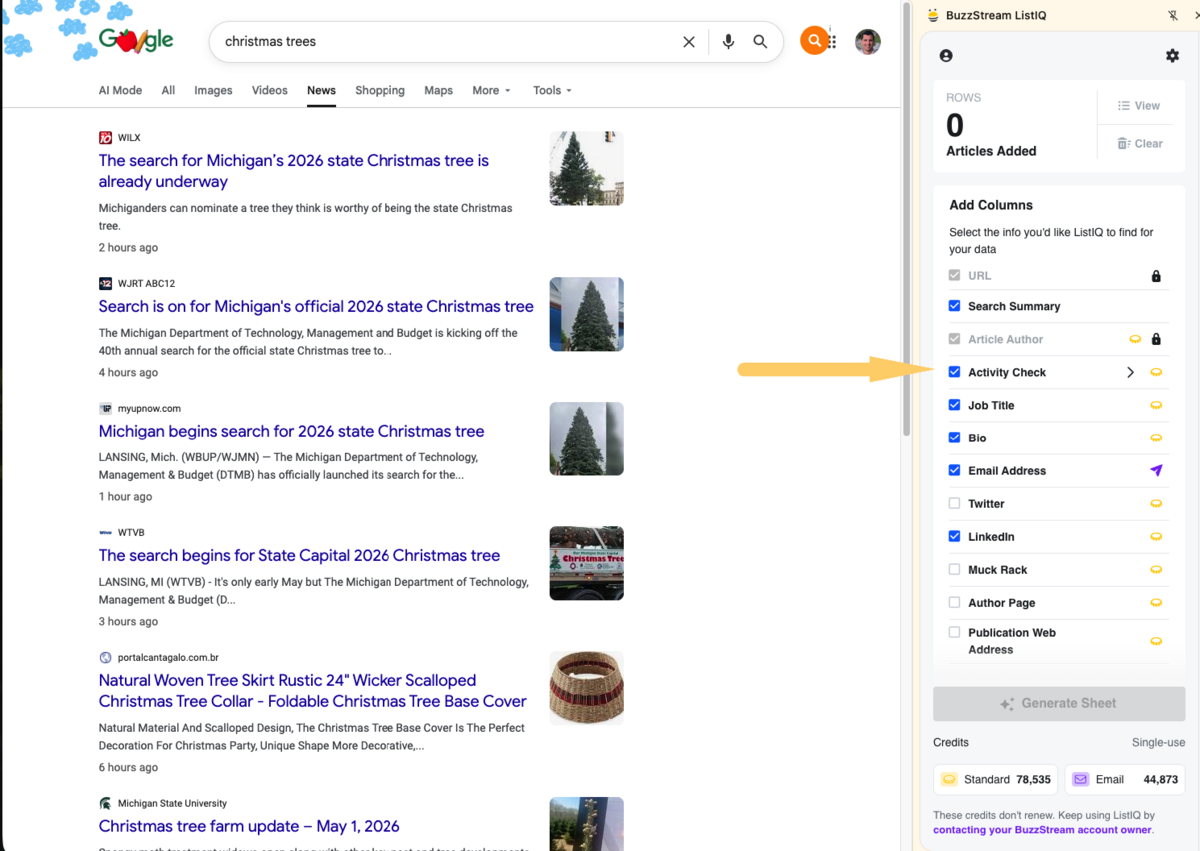
Then we can see who is active:
You can sign up for ListIQ for free.
F.I.T. is Essential for Journalist Outreach in 2026
The old tactics used to work, but with more journalists getting laid off and more people getting involved in digital PR, the competition is harder than ever.
In our study on spray-and-pray outreach, we found that smaller, more targeted, and relevant outreach lists generated 17 times more links than those that were not.
You aren’t simply cutting your lists in half; you are seeking better journalists.
And while it may require more work, both ListIQ and BuzzStream CRM can help you get better results in less time.
Start for Free



 Check out the BuzzStream Podcast