
 End-to-end outreach workflow




Table of Contents
- Make the “why now” clear in every pitch by tying your story to seasonality, a trend, a recurring event, or breaking news.
- Put the timely hook in your subject line so journalists immediately understand why the story matters right now.
- Reinforce urgency in the first or second sentence of the email body instead of burying the timely angle later.
- Track news, social trends, Google Alerts, industry newsletters, and relevant calendars so you can react quickly when a timely opportunity appears.
- Ensure the timely hook has an obvious connection to your brand or client so the pitch feels relevant rather than forced.
There is a lot of data on the best time to pitch a journalist, but the best time isn’t universal. Every journalist has different priorities and different events going on in their beat or newsroom.
So, nailing that timing is key.
In my F.I.T. framework, which helps you decide whether a journalist belongs on your media list, the T stands for timeliness.
Is your story something that makes sense for them to cover right now?
The best way to answer that question is by clearly conveying the ‘why now?’ in your pitch.
So, in this post, I’ll help you understand why and how you should answer “why now”.
Why Does “Why Now” Work So Well?
Answering “Why now” can check off tons of boxes that are critical to increasing the odds your story will get covered. It also:
- Tells a journalist why they need to act on it right away.
- Tells a journalist why it will be relevant to their readers.
- Tells a journalist why it will be easier to sell/pitch to an editor.
But don’t take my word for it…I also asked a few journalists about this.
Freelance journalist Rob Waugh, a previous podcast guest, told me:
“Pitches don’t just have to be on-point (and ideally backed up with collateral like spokespeople available for interview); they have to be timely.
Making sure the ‘why now’ is clear is a way to ensure journalists know that this story is current, and it increases the chance they’ll read further and feature your pitch.”
Freelance journalist Joni Sweet added:
“A new product or service isn’t automatically newsworthy, but connecting it to a timely trend, new research, or a current conversation immediately makes the story more compelling.”imgimfimfaifmfasfimfafim
But one underappreciated consideration for most PRs is that journalists often need to “sell” ideas to editors and producers.
Mike Fahey, of Fahey Communications, who spent over 15 years as a news producer, told me about the impact on editors:
“The strongest pitches don’t just present an interesting company or person — they explain why the story matters right now. That immediacy helps reporters frame the story for their audience and gives editors confidence that the coverage will feel timely instead of promotional.”
So, let’s look at some of the ways you can answer this in your own pitches.
The Four Ways to Answer “Why Now”
There are four main ways to consider answering “why now” with your pitch: seasonality, trends, breaking news, and recurring events.
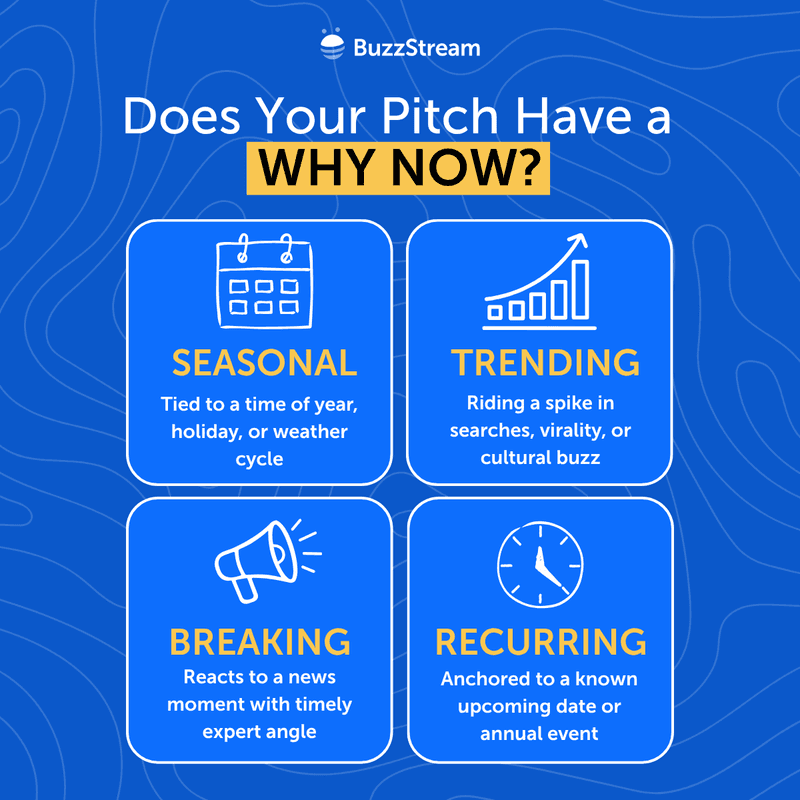
1. Seasonal Hook
Look in any news outlet at the beginning of a season, and you’ll find everything tying back to some type of seasonality.
There are the obvious four main seasons:
But there’s also weather-related seasonality like fire season, hurricane season, allergy season, and cold and flu season.
Most of these aren’t official holidays, but are generally recurring. Using our PR calendar, you can see that Back to School season starts in July.
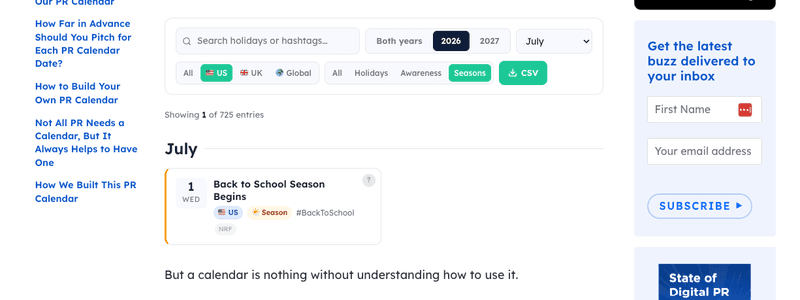
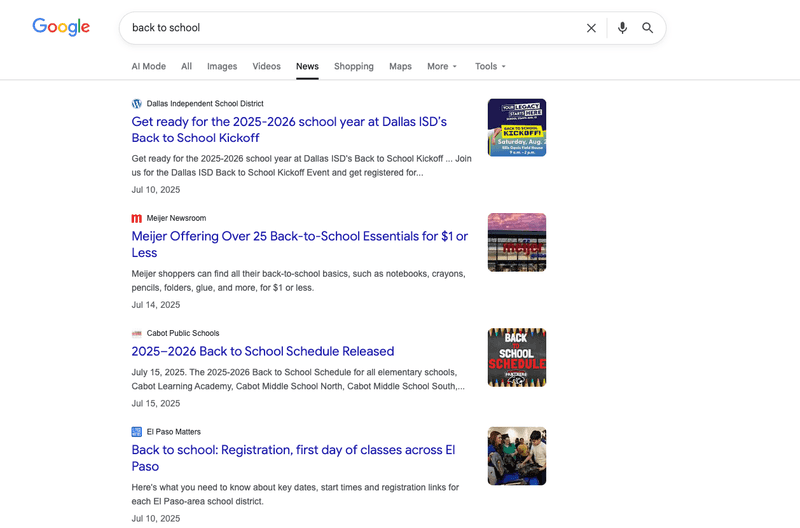
Then you can confirm by doing a Google search:
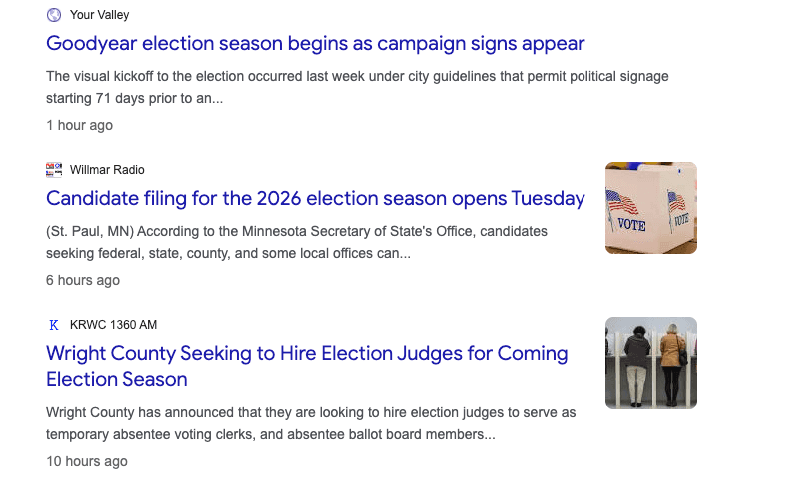
There’s election season or financial season:
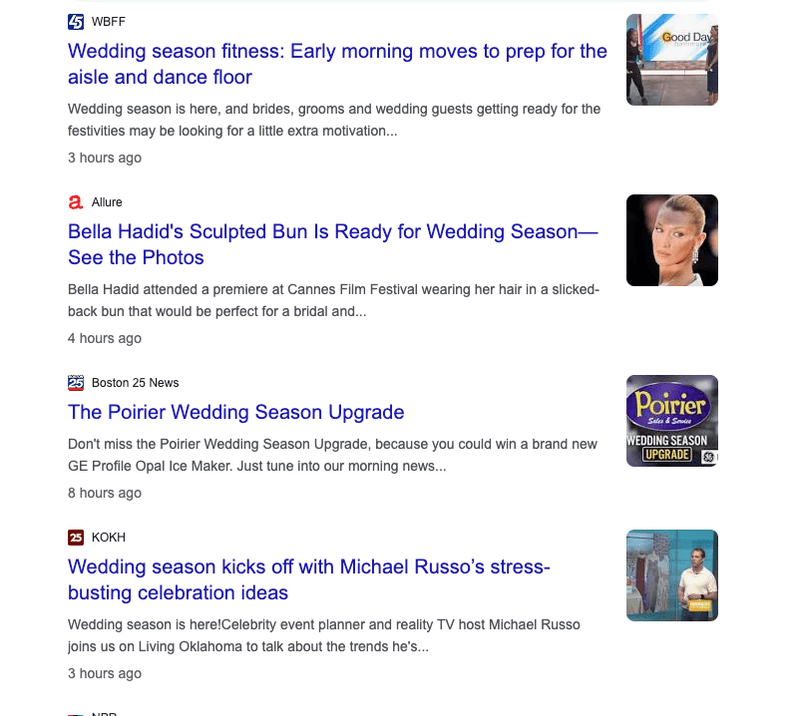
Wedding season:
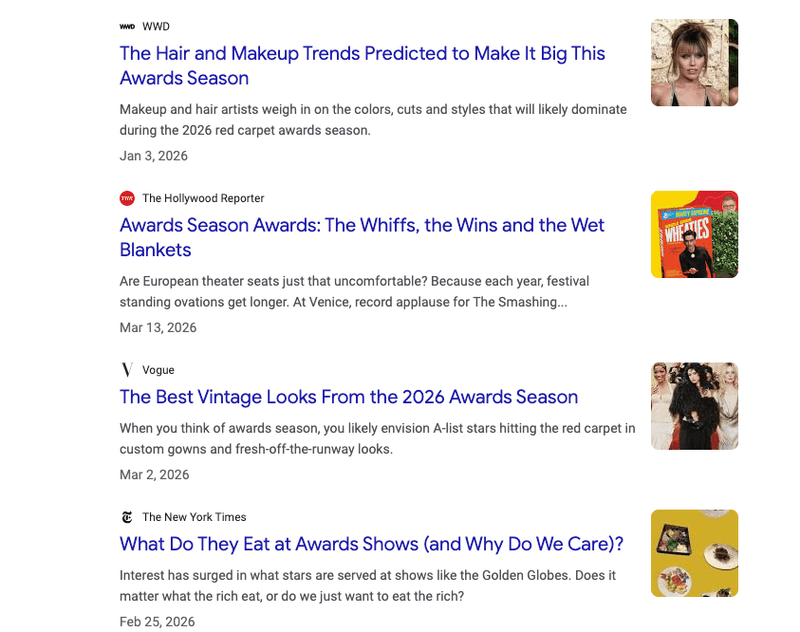
Awards season:
You get the idea.
Hooking a pitch into seasonality gives it a reason to add to a busy calendar.
2. Trending Topic
Trending topics are incredibly effective for certain types of journalists and another great way to demonstrate timeliness.
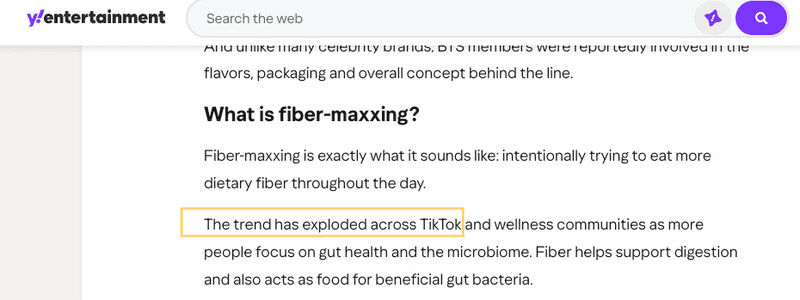
Trends can come from publicly available sources, such as social media, such as TikTok:
Google Trends:

Reddit:

Exploding Topics and Glimpse also provide great insights.
Needless to say, the trending topic must still be relevant to the journalist.
3. Recurring Event
Recurring events can be holidays, major events like the Super Bowl, or social media “holidays”.
This overlaps with the seasonality hook, but I’d think of this more as a specific event rather than an entire season.
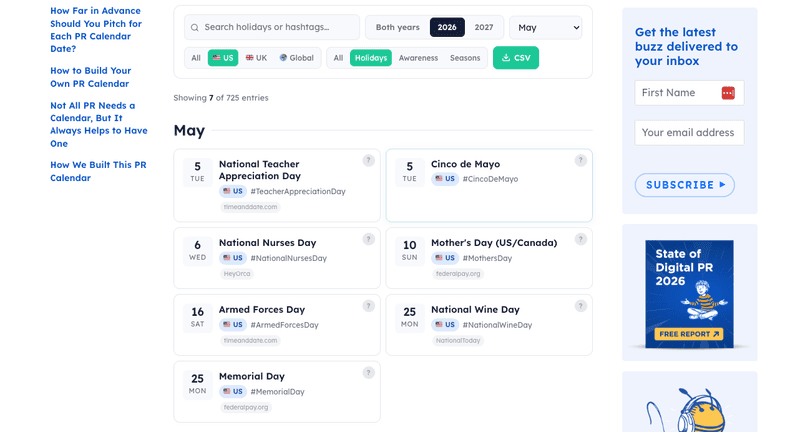
For instance, as you can see in our PR calendar, Memorial Day is the 25th of May.
If you were wondering what to pitch for Memorial Day, do a Google search for the phrase “just in time for Memorial Day” for last year, and you’ll see all the different ways brands and locations tell stories using Memorial Day as the timely hook:
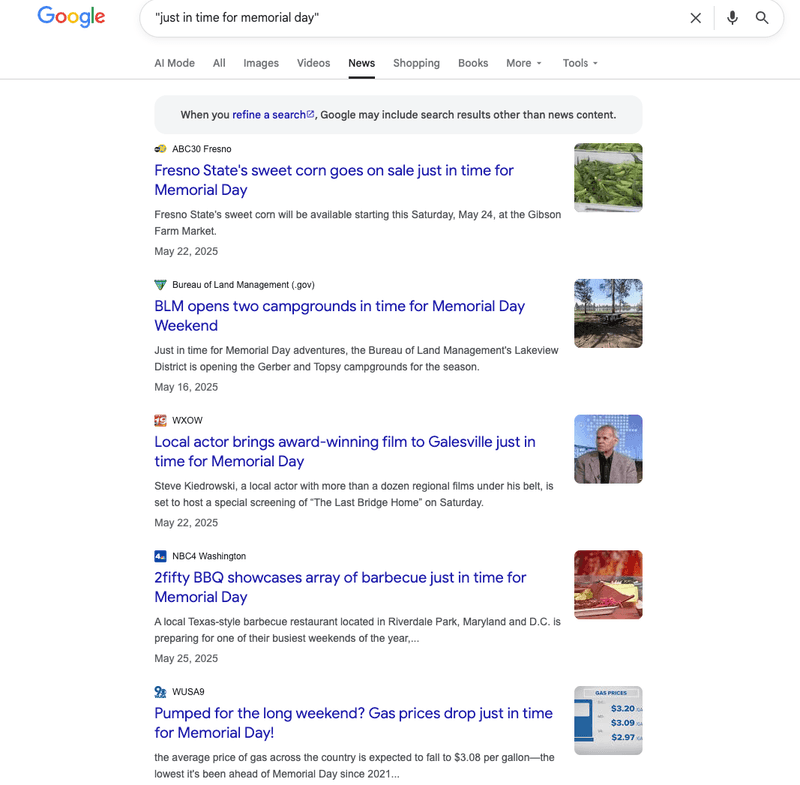
Remember, though, the bigger the holiday, the more likely other brands are to jump on it as well.
In our podcast with digital PR expert Mark Rofe, he recommended thinking of reactive opportunities in this matrix:
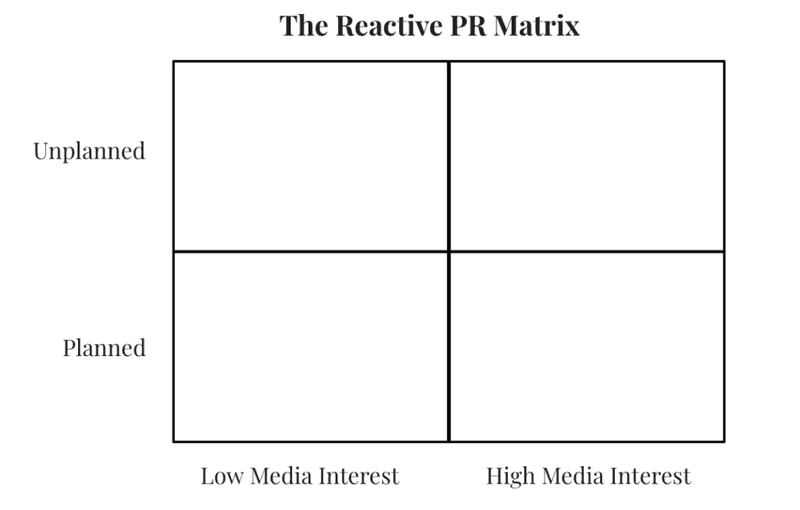
His sweet spot is the unplanned, high-media-interest quadrant.
But for that, you need to be in tune with breaking news (aka unplanned). So let’s look at that next.
4. Breaking News
Newsjacking, or reactive PR, relies on breaking news to catch a journalist’s attention.
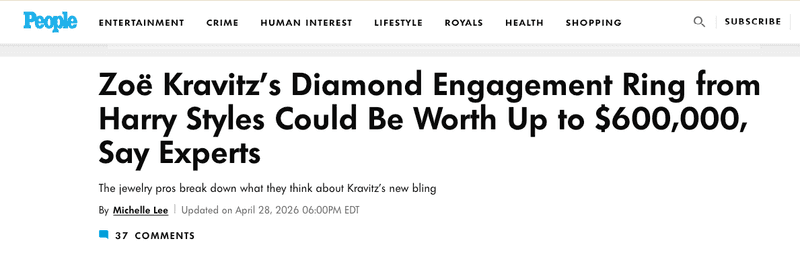
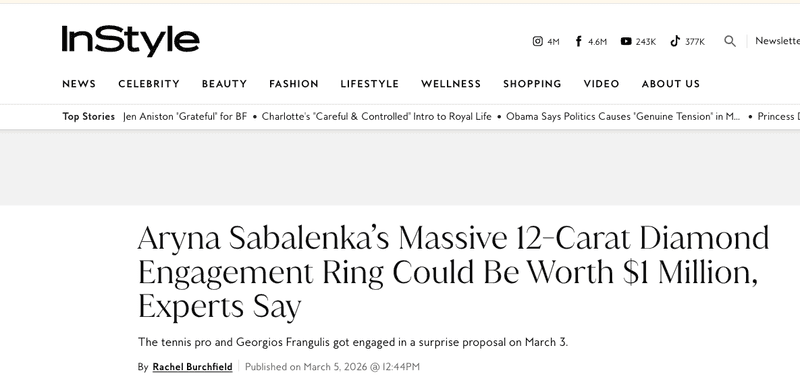
A great version of this is when a celebrity gets engaged.
You typically see publications lining up to write articles about how much the ring actually costs, like this story from Michelle Lee at People after Zoe Kravitz got engaged:
Or this story about Aryna Sabalenka’s $1 Million engagement ring by Rachel Burchfield:
But catching this breaking news is key.
We interviewed Madeleine Dykes about reactive PR in the US, and she had five main places she looked to stay on top of these stories:
- News podcasts
- Google News Headlines
- Social accounts
- Google Alerts
- Industry newsletters
But when I asked if this was always on, she told me something that was surprising:
“Most days, I don’t walk away from consuming the news with a genius idea. It’s more about generally absorbing what’s happening so that when something does break a week later, I already know it’s relevant, I know my client can comment on it, and we can move quickly to catch the wave.”
So it’s less about grabbing something and more about keeping your clients top of mind.
Where to Convey “Why Now”?
Your subject line is the best place to convey why now, followed by the email body.
How to Convey “Why Now” in a Subject Line
Pitches live and die by the subject line.
Typically, a subject line should match the headline style of your target journalist.
The good thing is that “why now” is a very powerful clickbait tool, so journalists often include it in their headlines as well.
For instance, here is a story from Erica Loop of Parade on Cracker Barrel’s free gas giveaway:
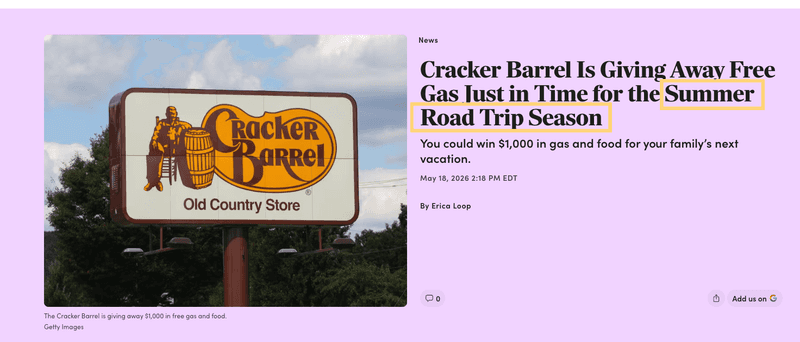
Chances are the subject line from the Cracker Barrel PR team would have included something like:
“Cracker Barrel free gas giveaway for Summer road trip season”
Or this one about Sprite’s new flavor drop by Marisa Losciale on Parade:
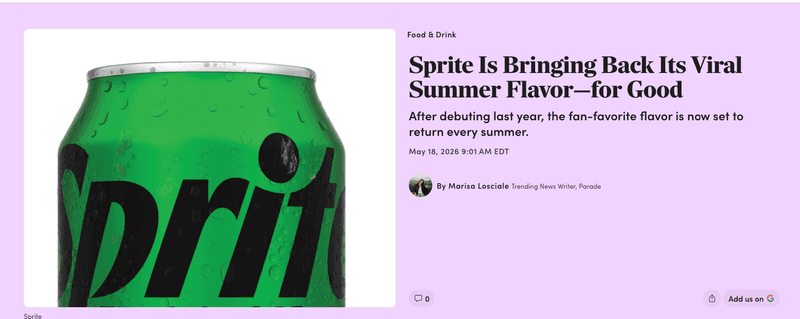
Working backward from the title, the subject line may have looked something like:
“Sprite is bringing back viral flavor this summer.”
But it shouldn’t stop at the subject line; the body needs to convey urgency as well.
How to Convey “Why Now” in Your Email Body
The second place is to convey it in the opening of your pitch email.
It should be in the first or second sentence.
For instance, in this example from the Digitaloft team, they shared how in the first sentence of their pitch, they stressed the seasonal connection: “stay cool when sleeping this summer. ”
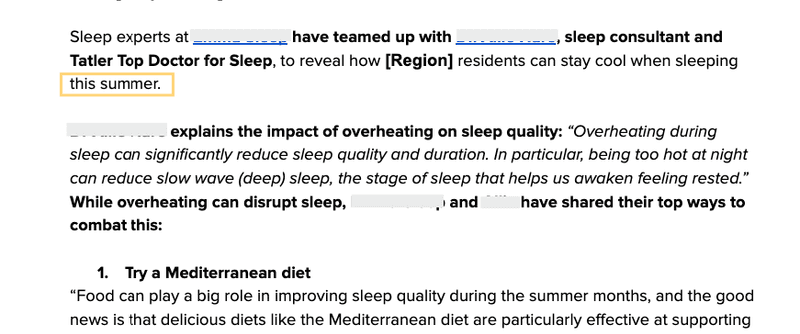
Then the pitch adds some supportive commentary and tips.
Here’s another example from the Digitaloft team in the housing space.
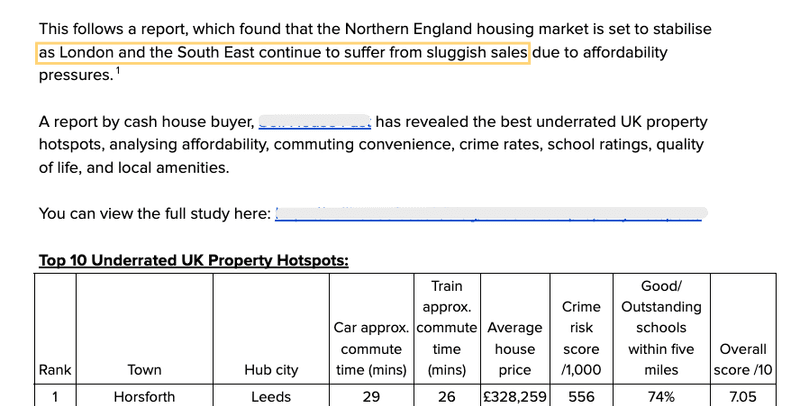
As you can see, the “why now” is clearly answered by connecting it to sluggish real estate sales in London and the South East.
Exclusives Don’t Really Count as Why Now
Exclusives can definitely help the case, but they don’t provide enough of a reason to answer the question of “why now”.
Our research on subject lines found that emails using “Exclusive” do get better engagement, but if it’s an exclusive to a topic with no urgency, that doesn’t help the case.
It may get a journalist to open the email, but if there’s no impetus that connects with seasonality, trending topics, recurring events, or breaking news, there’s much less chance it will get coverage.
Three Real Life “Why Now” Examples
I reached out to the Digitaloft team for some real examples of “why now,” and they didn’t disappoint.
1. Sleeping in a Heatwave
Digital PR Manager with Digitaloft, Charlotte McManus, told me that as the UK is predicted to hit temperatures of up to 30C next week, “we have sent a series of tips for how to sleep during a heatwave on behalf of our bedding client, in conjunction with a sleep consultant.
We pitched subject lines like:
- Struggling to sleep in the heat? Sleep expert shares tips as UK temps rise to 25°C
- The UK is set to be hotter than Athens, Barcelona AND Marbella this weekend- reaching highs of 26°C
- Sleep experts recommend ALL Brits do these 9 things ahead of this weekend’s heatwave”
As you can see the “why now” is clearly tied to relevant, seasonal/trending/breaking hook of a heatwave.
2. Stroke Awareness Month
>Digital PR Manager with Digitaloft Emilie Warner, told me they also work with a supplier of adjustable hospital beds for the elderly and disabled.
“We ran a research report into which areas of the US are most at risk of having a stroke.
With May being Stroke Awareness Month, they have re-sent this campaign to US national, regional, health and lifestyle publications, with subject lines including:
- Stroke Awareness Month: New Report Reveals The 10 States Most At Risk
- Stroke Awareness Month Report: Where Over-65s Are Most Vulnerable”
Here we can see that Stroke Awareness Month is the key “why now” focus.
3. Brits are leaving London
This one came from Harry Judd, Digital PR Executive, with Digitaloft.
“For property company Sell House Fast, we noticed a news story of a mass London exit with people leaving London as property and rent prices become unaffordable in and around the city.
We used this as a why now to hook to our campaign on the most underrated property hotspots in the UK.
We focused on areas outside London in our data. We used this both for national and regional headlines, and it resulted in lots of coverage (including Manchester Evening News and Property Investor Today) from subject lines including:
- [Town] ranked amongst the BEST places to buy as property market ditches London in 2026″
This one is an example of jumping on breaking news.
Consider “Why Now” As Early As Possible
The earlier you consider “why now”, the better.
When coming up with story ideas, consider the calendar and trending topics.
- Is there a holiday coming up?
- What are people talking about in your industry?
For instance, if you are planning to make a big company announcement, don’t just choose a date at random.
Instead, choose one with some significance, like the company’s founding anniversary, or a response to another rival’s announcement.
Connection to Your Brand Should Be Immediate
The last note on this is that the connection for a journalist should be obvious and immediate.
The “why now” needs to be logically connected to your brand.
And it needs to be an instant connection for the journalist.
For instance, if I was launching a new PR product and wanted to get some press, I wouldn’t say “BuzzStream Launches New Tool Just in Time for Summer.”
There’s no clear connection to Summer.
Instead, I’d lean on an event like a conference, a trending data point, like the fact that based on our State of Digital PR report, 62.8% of digital PRs said the main challenge with current media list-building tools in 2026 is outdated or incorrect journalist information.
Why Not Now?
Now that you have this trick, it’s time to go out and use it.
To ensure your journalist is a fit for your campaign, definitely give them a F.I.T check.
Then, when crafting your email, gauge the email body with the C.H.A.M.P. Outreach Method.
Questions? My DMs are always open.



 Check out the BuzzStream Podcast