
 End-to-end outreach workflow




Table of Contents
- Analyze internal data, run surveys, or find a fresh angle in existing research.
- Offer commentary or interviews that help journalists explain a story.
- Find people with firsthand experience to show how an issue affects real lives.
- Focus on the problem your product solves, or a trend they fit.
- Create something worth talking about (and give journalists something unexpected to cover and show).
Digital PR is having a renaissance.
And if you’re reading this, you’ve likely been asked to add digital PR to your toolkit, or you’re brushing up on what works today.
But where should you start?
You could analyze customer data, offer an expert’s take on breaking news, or build something unusual enough to get people talking.
Whichever you choose, the goal is to develop a story worth covering.
That’s where my V.E.T. framework comes in: before you commit to an idea, ask whether it provides Value, evokes Emotion, and has a Timely reason to be covered.
This post walks through 11 digital PR tactics you can use to build your strategy, with real examples, simple steps to get started, and expert advice.
1. Analyze Proprietary Data
In my opinion, proprietary data is the most effective digital PR strategy because journalists can’t access it on their own, and AI can’t replicate it.
Pitching data-led content is the most widely used digital PR tactic, used by 95.9% of respondents in our 2026 State of Digital PR survey.
Here is what I mean by proprietary data:
- Sales data
- App usage
- Search behavior (this is a big one)
For example, Pinterest releases seasonal trends reports.
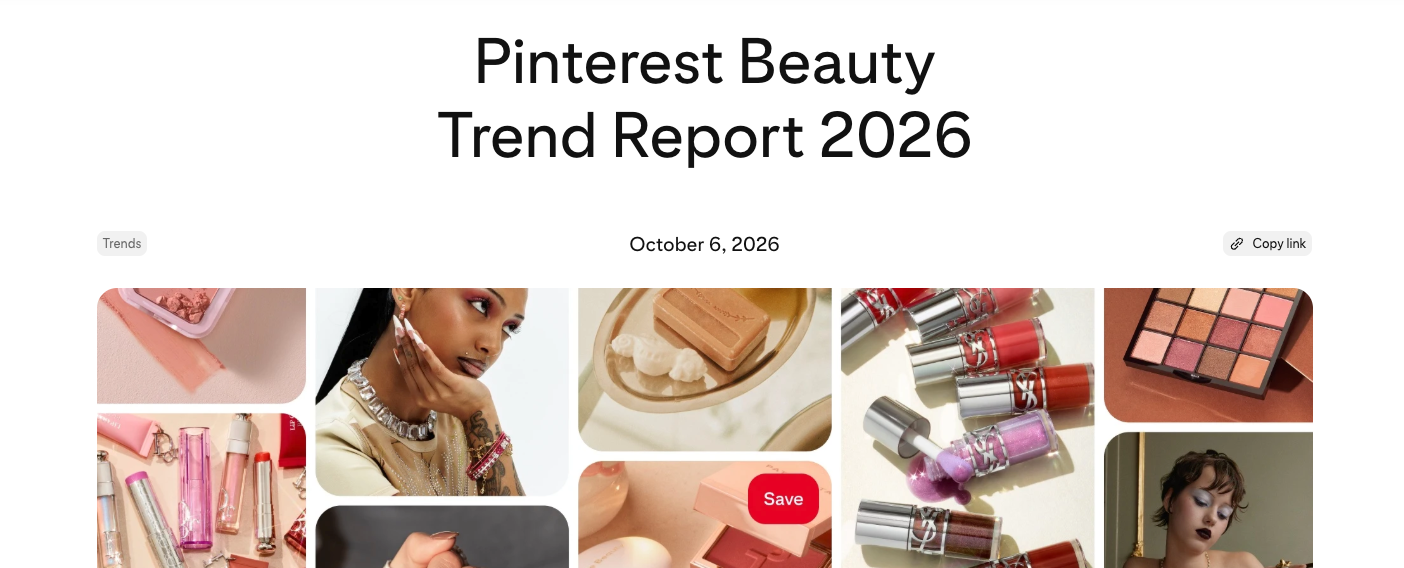
But these don’t have to be huge reports.
You can get targeted coverage pitching single stats or smaller datasets, but they typically need to be tied to something timely.
Here’s Rightmove getting coverage in a mortgage-related industry publication speaking about a 5% increase in buyer demand around “back-to-school” in the first week of September.

It’s not a full data report, but enough to give the journalist a story.
Here’s another: a jump in sales of “Japanese milk buns” at Waitrose earned coverage from industry publication Grocery Gazette during barbecue season.

V.E.T. check: the Rightmove stat provides value (a measurable shift in buyer demand), and the back-to-school timing supplies the reason to cover it now.
How to get started
Ask your analytics, product, or sales teams what customer behavior they can measure or already measure.
Then look for ways to slice it. Maybe it’s a meaningful change over time, between locations, or around an event.
Share the finding with relevant journalists, including the comparison period, methodology, and a short explanation of why it matters.
Expert Opinions
Walk through the customer experience to find overlooked data.

Six Chillies
Thierry Ngutegure shared a great example on our Six Chillies episode.
His client, Adzuna, had a CV-checking tool and millions of stored CVs but hadn’t recognized the research opportunities.
Thierry spotted them by going through the customer journey.
2. Run a Survey
Surveys are the second most popular version of data-led PR (as per our State of Digital PR).
For me, they are most useful when you have a question your proprietary data can’t answer.
Most use a survey platform like SurveyMonkey, YouGov, Pollfish, or Talker and gather answers around a problem your audience cares about.
For instance, banking service Chime worked with Talker Research to survey hourly workers about their savings habits.
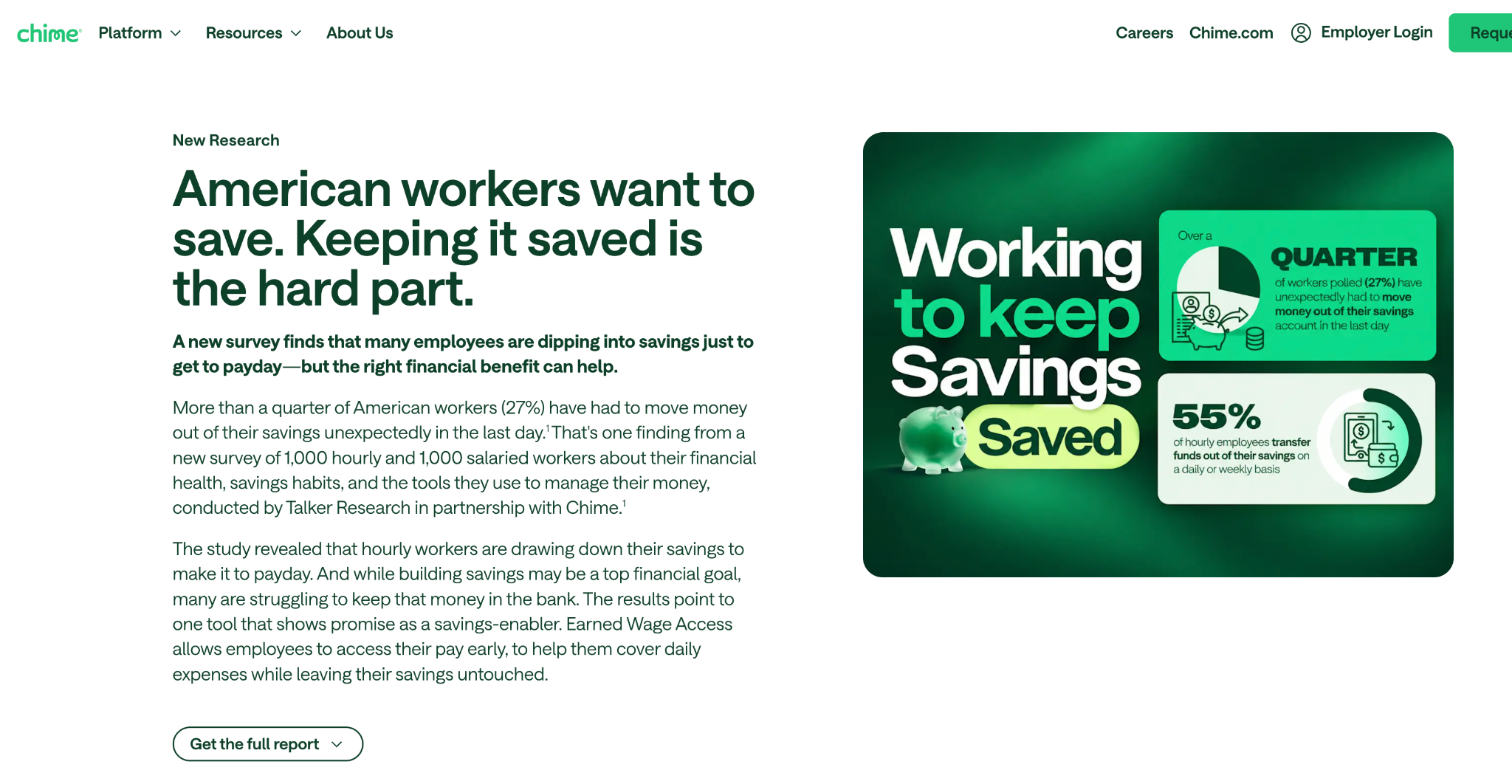
Chime has a clear connection to the topic, and the survey touches on an emotional trigger (stress and frustration around savings), which is key to a survey’s success.
But you don’t always need to rely on third-party platforms; you can also survey your own customers.
For example, Walmart’s October 2026 holiday report used responses from its Customer Spark Community.
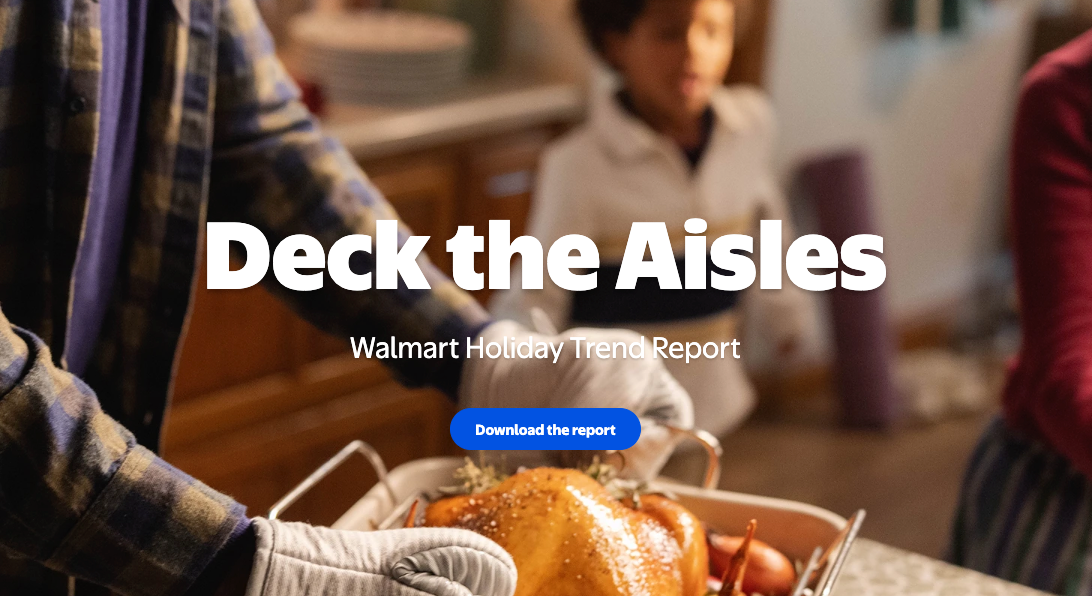
This gives them access to something no journalist has.
The hook is also very emotional: one of the top findings was that 43.8% named affording the holidays as their top stressor.
V.E.T. check: Walmart’s finding evokes emotion (43.8% naming affordability as their top stressor) and was timed to the lead-up to the holidays.
How to get started
Choose an emotional topic or question your audience cares about and work on the ideal headlines you’d want.
Use a research provider or survey platform to ask clear, neutral questions that get you close to your headlines. Give yourself several possible angles, but the data/answers will determine the story.
Publish the strongest findings with the sample size, recruitment method, dates, and question wording. Tailor your pitch to each publication’s readers.
For some more tips, we have an entire post on crafting surveys.
Expert Opinions
One or two good questions can be enough.

YouGov
YouGov’s Brian Reitz told me on the podcast that you don’t necessarily need a long questionnaire for PR. One or two questions about something people actually have opinions on can give you a story. Demographic information can then reveal differences between groups, provided you have enough respondents in each group to support the comparison.
Expert Opinions
Does it get people talking?

Talker Research
When Talker Research’s Rick Maughan joined the BuzzStream Podcast, he recommended a simple test for whether your survey idea is any good: does it generate talk?
3. Run Experiments and Tests
Experiments can take more time and money than analyzing existing data or running a survey.
For these, you’re starting with a question and doing the work to answer it yourself.
That hard work is the value you provide to a journalist.
For instance, Clorox partnered with neurotechnology company Emotiv to measure 30 participants’ brain activity while they completed cleaning tasks and other activities, including petting puppies.

They found that 11 of the 30 participants responded more positively to cleaning the toilet than to petting a puppy.(What a headline!)
Not everyone will have access to expensive equipment or budgets like Clorox, but not every test requires them.
Video editing company Kapwing did it with a simple TikTok account.
They created a new account, recorded the first 500 videos served to its For You feed, and classified how many were AI slop (59%!).
Kapwing published its findings in June 2026, explaining how it identified the videos and conducted the test.
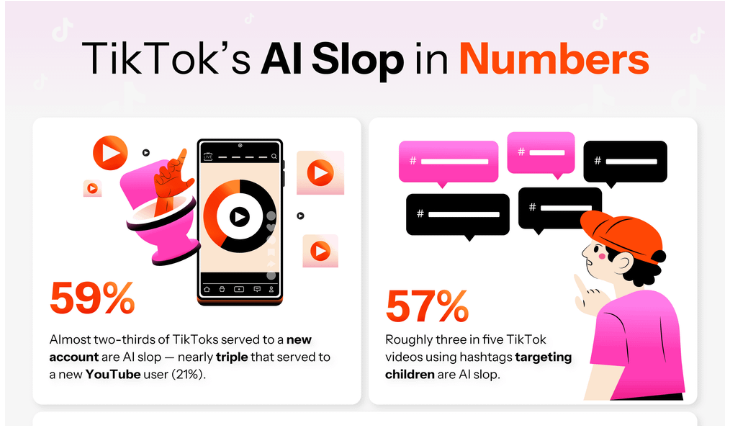
That’s an observational study: create the account, document what appears, and analyze the results.
We’ve done plenty of these at BuzzStream:
- The Role of News Publications in AI Citations
- AI Citation Overlap: Do AI Platforms Cite the Same Sites?
- How AI Mentions and Cites Your Brand
All of our AI citation tests required extensive review of citation data we gathered manually over time.
How to get started
Find a question connected to your brand and audience, then decide what you’ll measure.
Document a consistent process, including what you’re comparing. Ideally, you find a qualified specialist if the test requires equipment or interpretation outside your expertise (look to universities).
Publish the results with your method, supporting photos or recordings, and limitations. Offer journalists access to whoever ran the test.
Expert Opinions
Look for a measurement method you can apply to a new question.

Resignal
On our creative content podcast episode, Darren Kingman explained how one campaign methodology might lead to more applications.
His Science of Scare campaign used heart rate monitors to measure users’ pulse during scary movies. But it got him thinking: could he measure stress instead, or identify the exact moment that produces a reaction?
4. Request Government Data Through FOI/FOIA
Freedom of information requests let you access data that exists but hasn’t been published.
In the US, federal requests fall under FOIA. In the UK, you’ll commonly see them called FOI requests.
These requests work well when you want to investigate public information, like complaints or spending.
For example, tire retailer site Blackcircles requested pothole data from UK councils for its 2025 report, Which Areas Have The Most Potholes.
It compared reported potholes, repairs, and spending, giving the brand national findings and local angles for pitching to journalists.
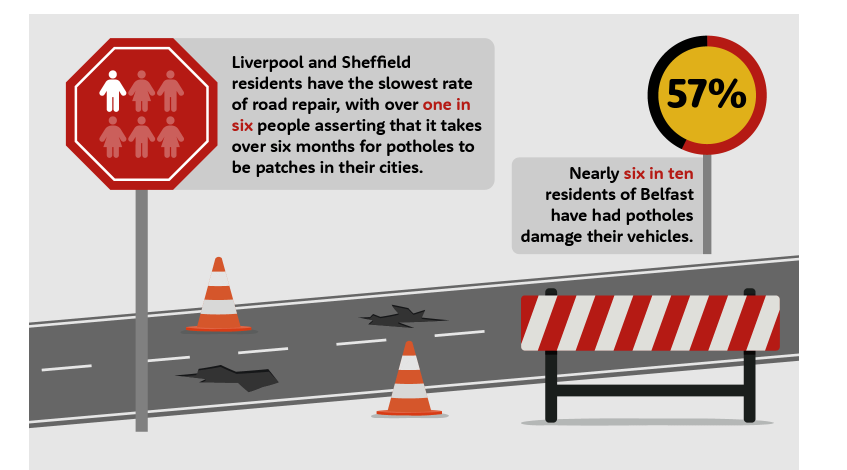
The connection between the data, the story, and a tire retailer’s customers is clear.
In the US, the Panish law firm requested death records from the National Park Service to analyze deaths by factors like park, cause, and visitor volume.
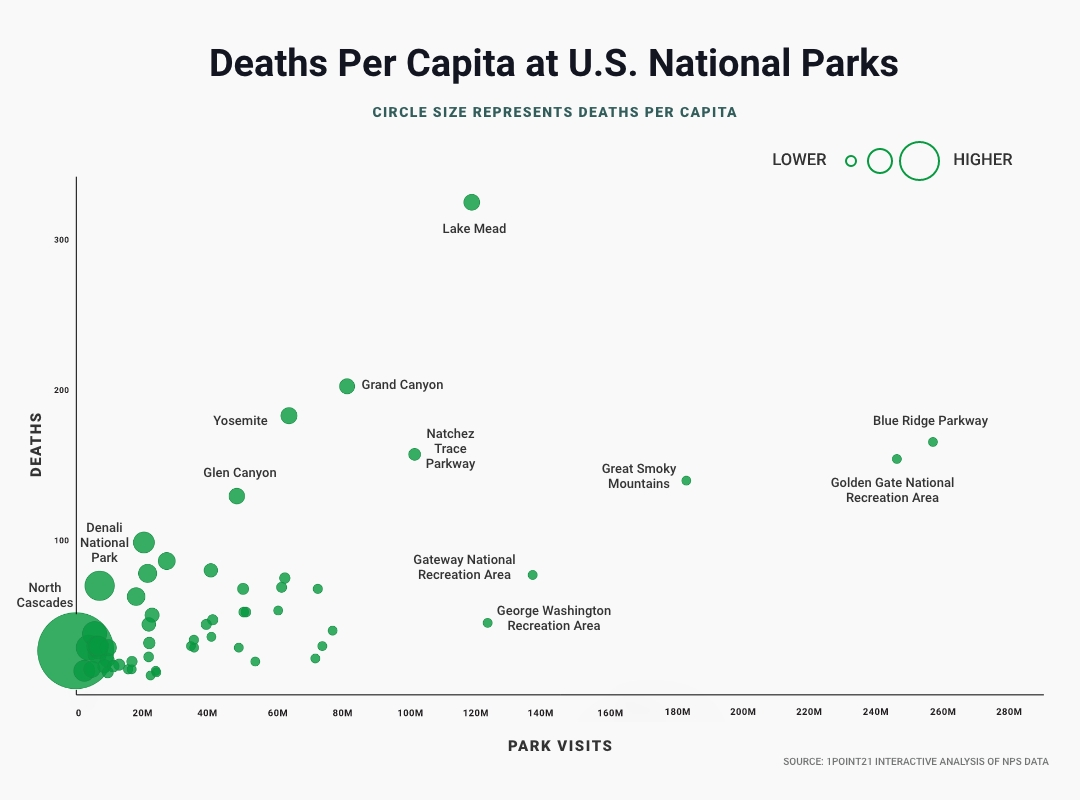
This gives journalists insight into an otherwise hidden dataset.
How to get started
Identify the public body likely to hold the records.
Check whether it has already published them. (This is typically a given in any ideation process, but it’s worth mentioning here because it is the whole idea behind the tactic.)
Submit a focused request specifying the records, dates, and breakdowns you need. You’re requesting existing information, so keep the analysis for your own team.
Check that responses are comparable, explain any gaps, and pitch the strongest findings to relevant national, trade, or local journalists.
Expert Opinions
Specify how you want the data returned.

Better B2B
Amber Carnegie shared a useful lesson from years of FOI campaigns on our podcast: specify the format you want when requesting the data. Otherwise, different authorities can send information back in different formats, adding substantial work before you can analyze it. The request itself can determine how much time you spend cleaning up the responses.
5. Analyze Existing Third-Party Data
Existing, published third-party data can give you a starting point when you don’t have your own research or the budget to commission it.
Think Census data, government reports, Google Trends, or reviews on marketplace websites.
But this isn’t just regurgitating what you see online: the value you add here is the unique analysis to answer a question your audience cares about
Typically this is:
- Comparing datasets
- Combining sources
- Visualizing complex datasets
The most common example is the city index study.
For example, WalletHub’s September 2026 Best Small Cities in America.
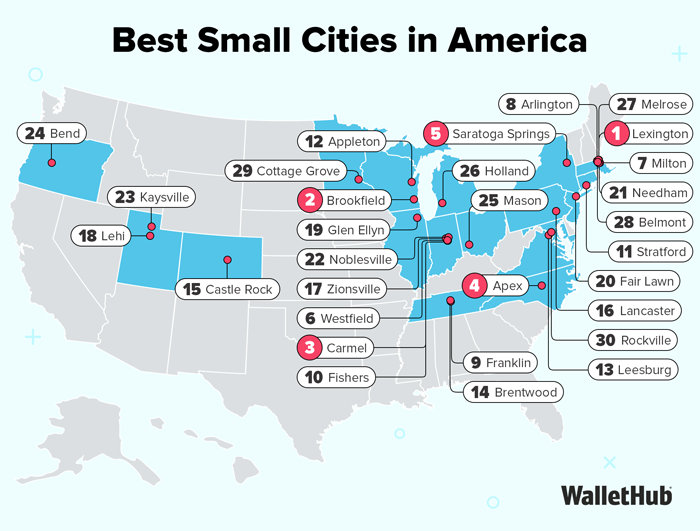
Their unique take is combining 45 datasets from sources like the Census Bureau, the Bureau of Labor Statistics, the FBI, and others.
A non-city index study example is LendingTree’s yearly cost-of-raising-a-child analysis.
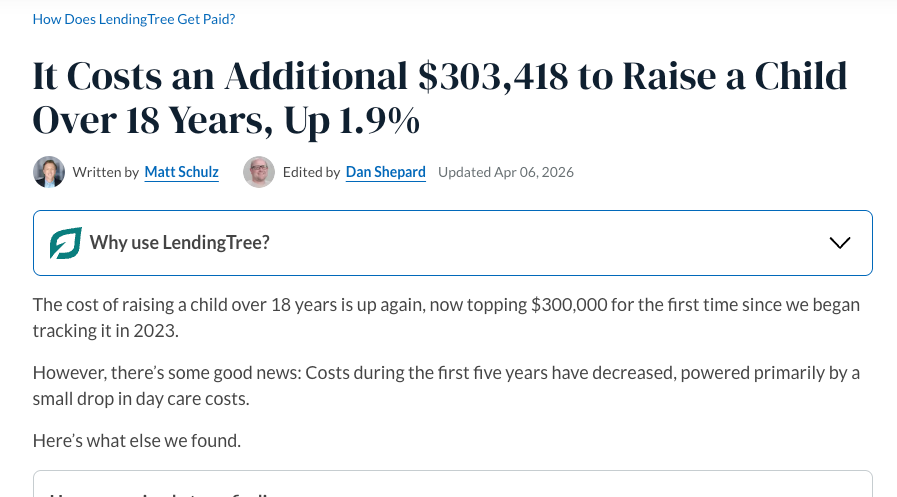
They combine Census data, household spending figures, and published child care costs to estimate the cost of raising a child.
In both cases, the value for a journalist is the work it takes to compile these datasets.
Another way to use this tactic is to re-visualize data.
Check out anything data publisher Visual Capitalist has published. Their entire site combines and visualizes complex datasets to make them easier to understand and to tell a story.
For instance, this piece from Visual Capitalist used data buried in a World Bank Report to show the countries developing AI models.

Instead of charts and tables, this helpful visual becomes easy to digest for both journalists and their readers.
How to get started
Choose a question relevant to your brand, then find credible datasets that could help answer it.
Then, look for meaningful comparisons that you can use to build the story: changes over time, differences between places, or a finding that challenges an assumption. (These don’t always have to be a complicated index. A useful comparison between two datasets can be enough.)
Publish the finding with links to the original sources and a clear methodology.
Lastly, pitch the angle that matters to each publication’s readers—this is rarely one-size-fits-all!
Expert Opinions
Read other campaigns’ methodologies to discover sources.
Six Chillies
Thierry Ngutegure of data agency Six Chillies, recommended looking at the methodology behind campaigns you admire on our podcast episode.
That’s where you can discover useful datasets and build your own collection of sources. Bringing those sources together differently can help you investigate a question the original campaign didn’t address.
Now we are going to shift away from data a bit and get into more people-driven digital PR tactics.
6. Provide Expert Commentary
Expert commentary means offering advice, interpretation, or a perspective that helps a journalist tell their story.
You can do this by responding to journalist requests, pitching commentary around an upcoming event, or even explaining breaking news.
Typically, expert commentary supports existing stories, but it can sometimes provide enough for an entire story, like this Marie Claire article built entirely on expert tips:
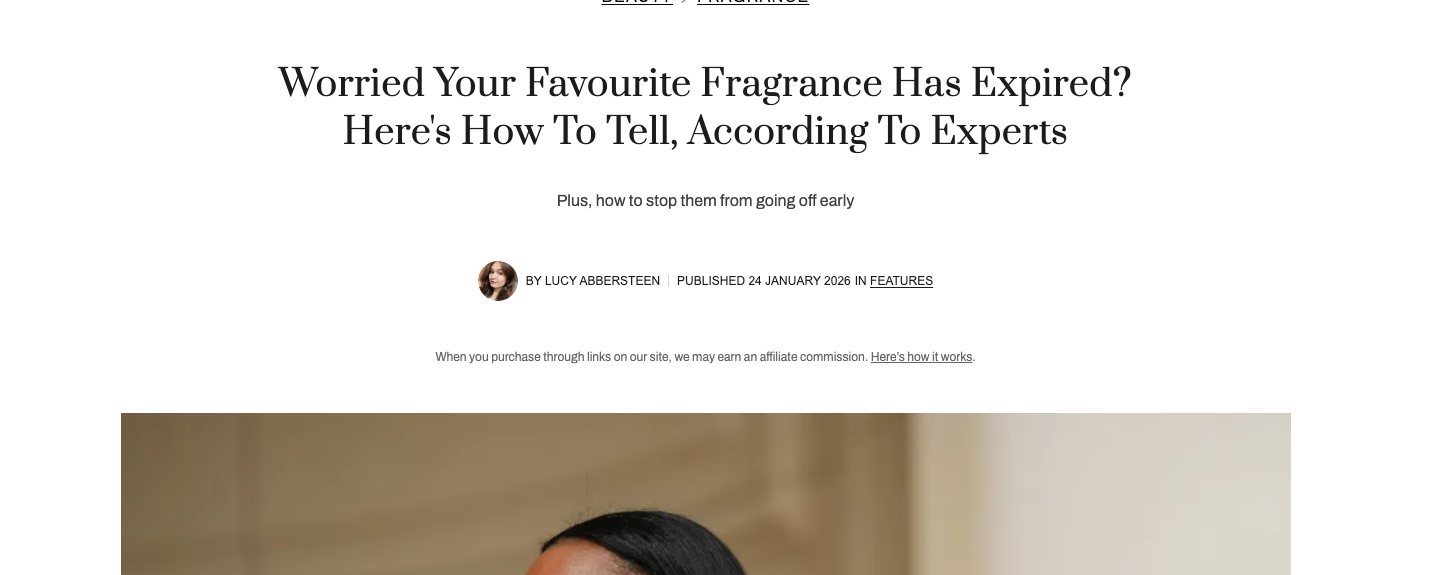
Other times, you might see the expert quote as part of a data-led story or a breaking news story.
For example, here’s the chief financial officer at Afin Bank providing some commentary on the Bank of England’s base rate hikes on Mortgage Solutions:
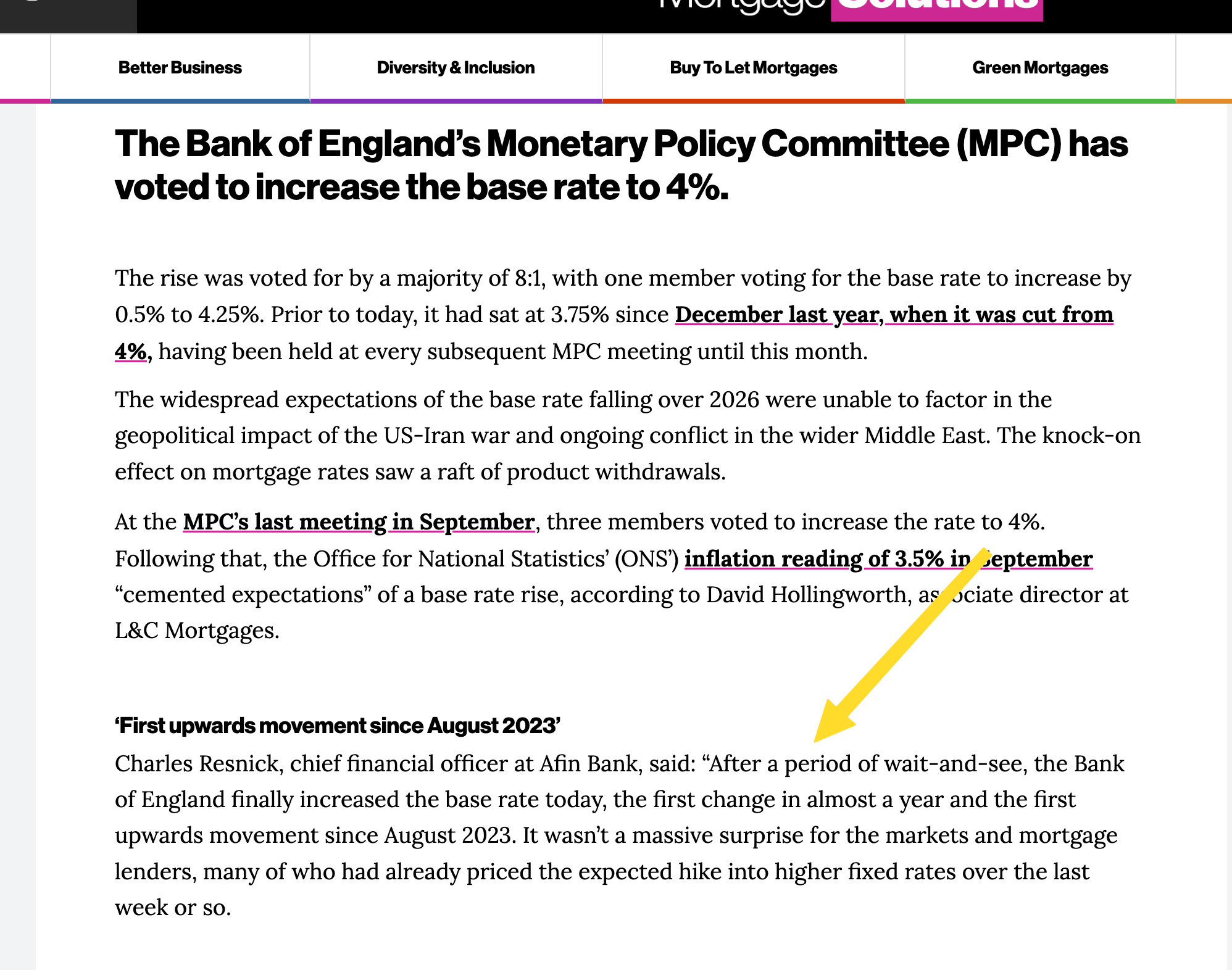
Journalists often seek quotes like this to build a story and give readers helpful context.
How to get started
Identify your spokesperson and the subjects they have direct experience with.
Find reporters covering those subjects and monitor relevant journalist requests, news, and upcoming events.
Offer a specific, useful comment with the person’s credentials. Include examples or practical advice wherever possible.
Remember: speed matters for breaking news, so if you can get your experts to agree on an approval process before an opportunity arrives, you’re one step ahead.
Expert Opinions
Think one step ahead of the current story.

Notably
Carly Martinetti explained on the podcast that she looks for the next question journalists will ask. Early in the pandemic, while everyone covered remote work, she pitched advice about networking remotely.
Ask your expert what the current news will mean next week or next month. That can give you an angle before the conversation gets crowded.
7. Offer Interviews and Profiles
Sometimes, a person can be the story.
Features around a founder who built a business in an unusual way, or an employee with a remarkable career, can become jumping-off points for interviews or founder profiles.
But the pitch is rarely just “Interview our CEO.”
Instead, the interviews and profiles tend to tell a story that users can relate to or learn from. Oftentimes they tie into trending topics.
For instance, the hook in this interview with the founder of Colorifix on EuroNews is: “The fashion industry’s toxic petrochemical dyes often end up in oceans. Could colours be ‘brewed’ from nature instead?”

I’d even include podcast interviews now that news outlets are producing them to build and maintain audiences.
For instance, FarmboxRx founder Ashley Tyrner-Dolce appeared on TechCrunch’s Build Mode podcast to discuss bootstrapping her business.
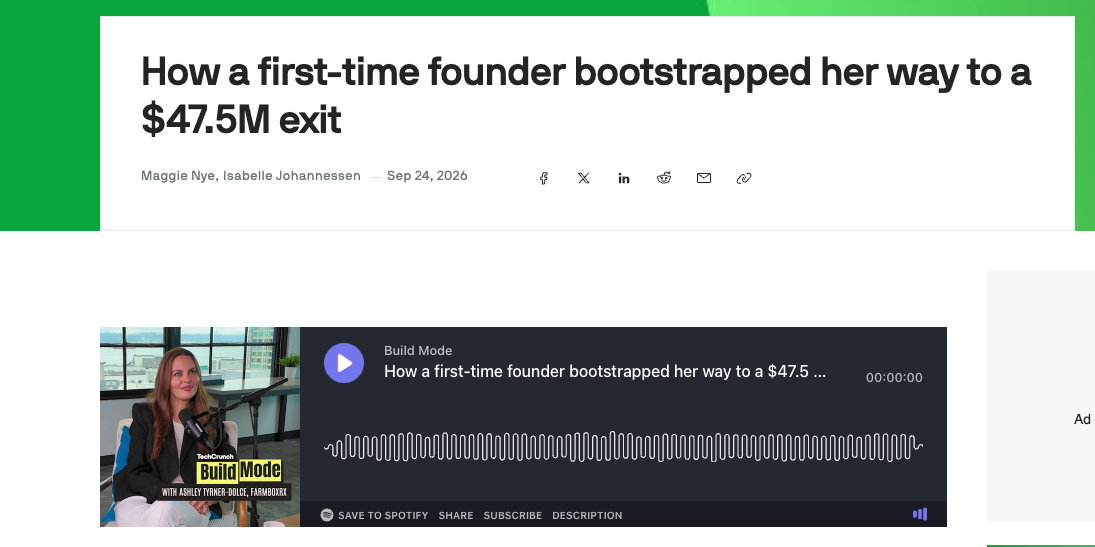
How to get started
Interview people internally to uncover experiences, decisions, or lessons worth sharing.
Then, find publications and podcasts that regularly feature people with similar backgrounds or expertise.
When you pitch, make sure you share a few topics the person can discuss. (And explain why those topics matter to that audience.)
Expert Opinions
Pitch the episode someone could make with your guest.

Stories and Strategies
When Doug Downs joined the podcast, he recommended going beyond a guest’s credentials. Look at previous episodes and explain how your person could extend a discussion or offer a different perspective. Give the host a clear idea of the conversation and what their listeners would get from it.
8. Supply Human-Interest Stories and Case Studies
Data can show how many people are affected.
But journalists often look for a human story that shows what it actually feels like.
This is different from expert commentary.
When Edd Dracott of Folc joined the podcast, he explained the distinction nicely: an expert has studied the issue; a case study has experienced it.
In one BBC example, the data behind the story comes from a Pinterest report that identified a rise in “darecations”, which is “full-throttle, adrenaline-inspired tourism”.
But the story centers around different extreme vacation events like ultramarathons:

In another example, a story from KPBS around the home affordability crisis begins with a human story experiencing the crisis first-hand:
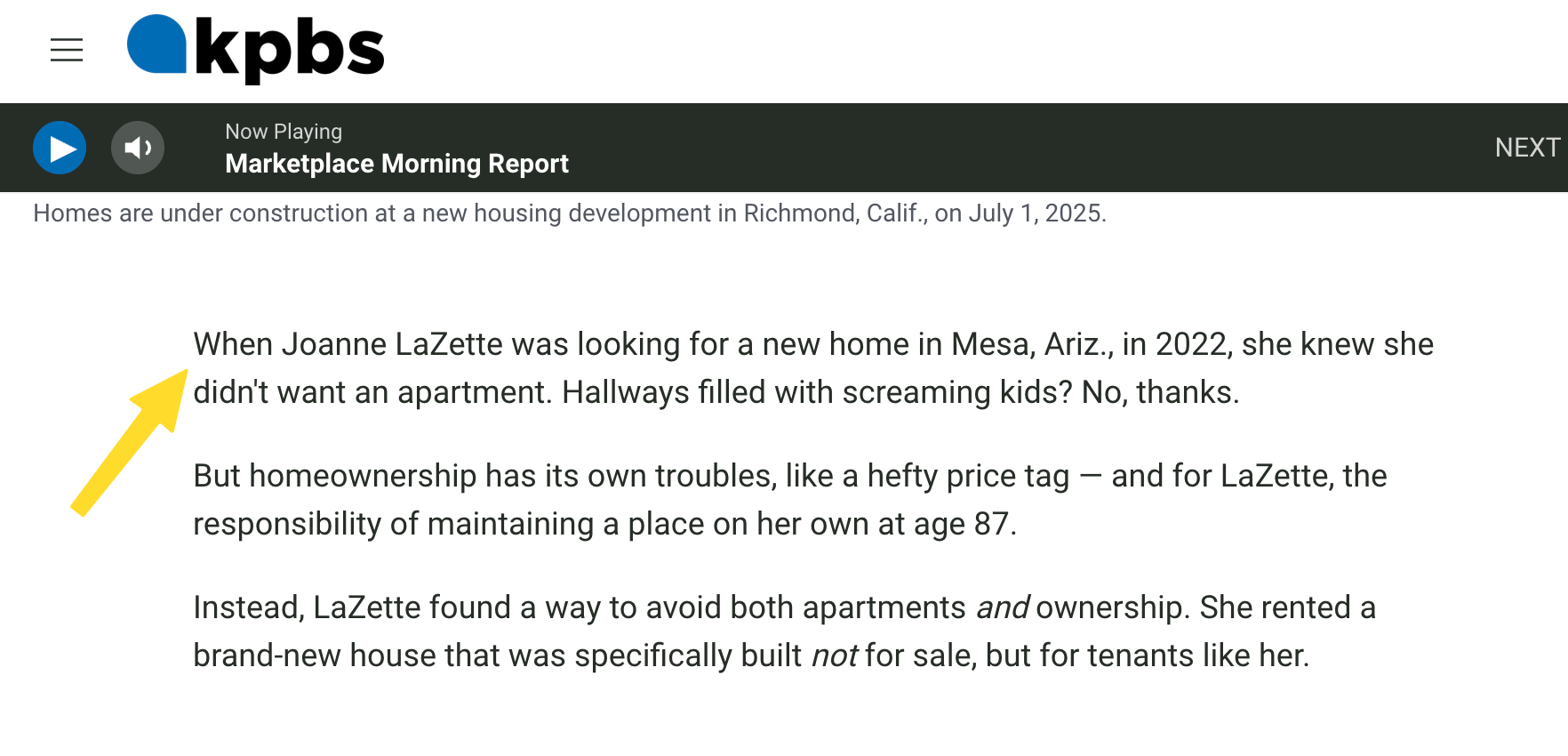
You can use this approach for a standalone feature or alongside research and expert commentary. Your campaign can benefit from both.
How to get started
Look for people with firsthand experience of the issue you want to discuss. This might be on social media or in real life. (Ask some friends!)
Always speak with them before pitching.
Check the details, get their permission, and confirm they’re available for interviews.
When pitching, offer a short account of their experience, relevant photographs, and access to the person.
Expert Opinions
Give the person their own story angle.

Anything is Possible
Becca Peel explained on our case studies episode that Tank creates separate pitches around the same person. A pub landlord’s quote could support a national data story, while their experience could lead a dedicated story for their local publication. Look beyond adding a quote to your research: the person might give you another campaign angle entirely.
Next we’ll get into product-based digital PR.
9. Pitch Products
Product PR isn’t always something digital PR practitioners offer, but with the rise of GEO, many agencies are leaning into it.
I typically bucket these into:
- Product launches (including new features or improvements)
- Collaborations
- Limited editions
- Reviews
- Gift guides
Collaborations and limited editions can also be stunts (see tactic 10). The difference is whether the product itself or the idea behind it is the story.
Unless it is affiliate marketing, product PR is extremely difficult because journalists don’t like to give products free advertising (no free ads!).
To get around this hurdle, focus on highlighting the problem your product solves.
Tech journalist Jasper Hamill mentioned this in our podcast: “You want to be showing the world how dreadful things are without your product.”
For instance, Heinz launched a french fry box with a built-in ketchup holder to “solve a decades-old design problem,” according to this Fast Company article.

In another piece from Telecoms written during the UK’s Online Safety Act rollout, HMD’s new Fuse phone as a solution to children’s online safety:
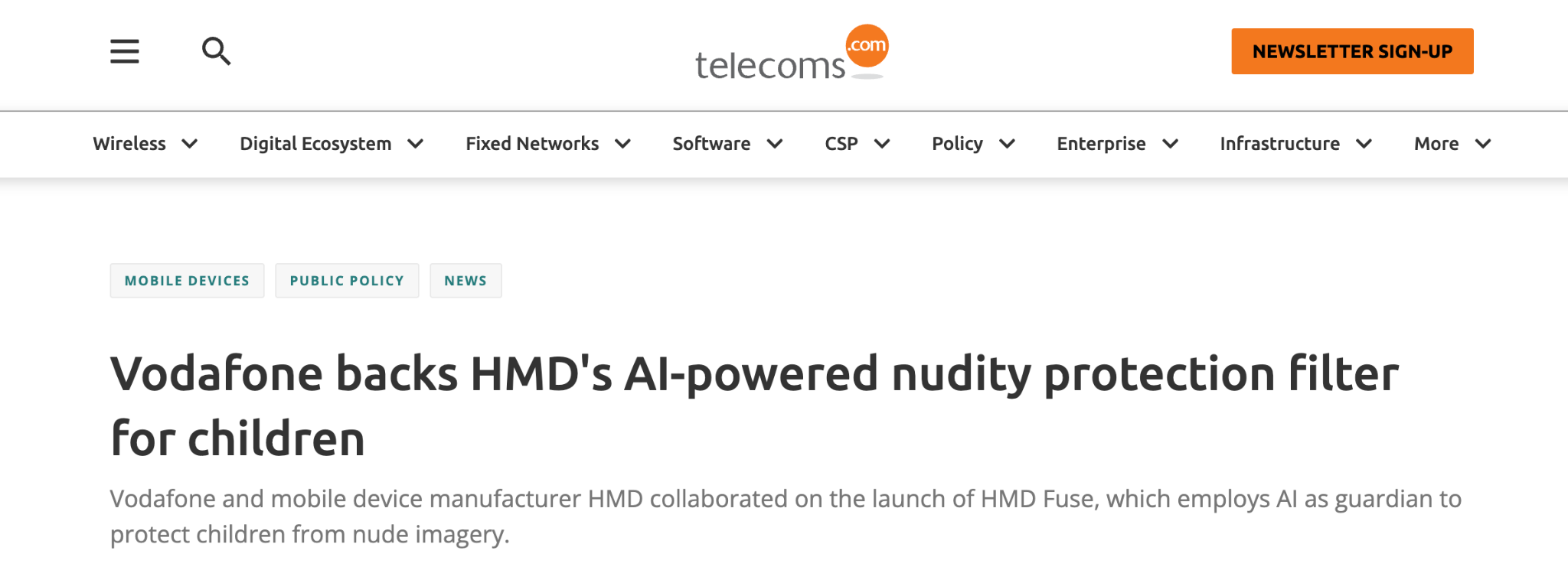
V.E.T. Check: Vodafone nailed the Timing by releasing this as the UK’s Online Safety Act was “spurring operators in the country to be more proactive in this area, “ as the Telecom article stated.
In both cases, the product gets featured, but the problem drives the story.
How to get started
Choose the editorial angle that your product solves. That’s usually the starting point.
If you have an unusual design, a timely collaboration, or a fit for a specific buying guide, that can also be enough to put it over the edge.
Then, prepare clear images, pricing, availability, specifications, and samples or demonstrations where appropriate.
Find journalists who cover that product category and check their lead times and submission requirements.
Expert Opinions
Show the wider trend your product belongs to.

Beauty Journalist
Beauty journalist Claire Coleman shared an example on the podcast where a refillable lipstick pitch included other brands doing something similar and an interesting observation from the trade press.
That gave her enough to pitch a wider trend story to an editor. Explaining what’s happening across the category can give your product a reason to appear in it.
10. Create a Concept or Stunt
Finally, my favorite tactic.
Creative campaigns give journalists something deliberately designed to get people talking.
These can take many forms:
- A fake product
- A challenge
- Real-life (or AI) stunts
- A product collaboration
Some are online stunts. Duolingo announced the “death” of its owl mascot in February 2025.
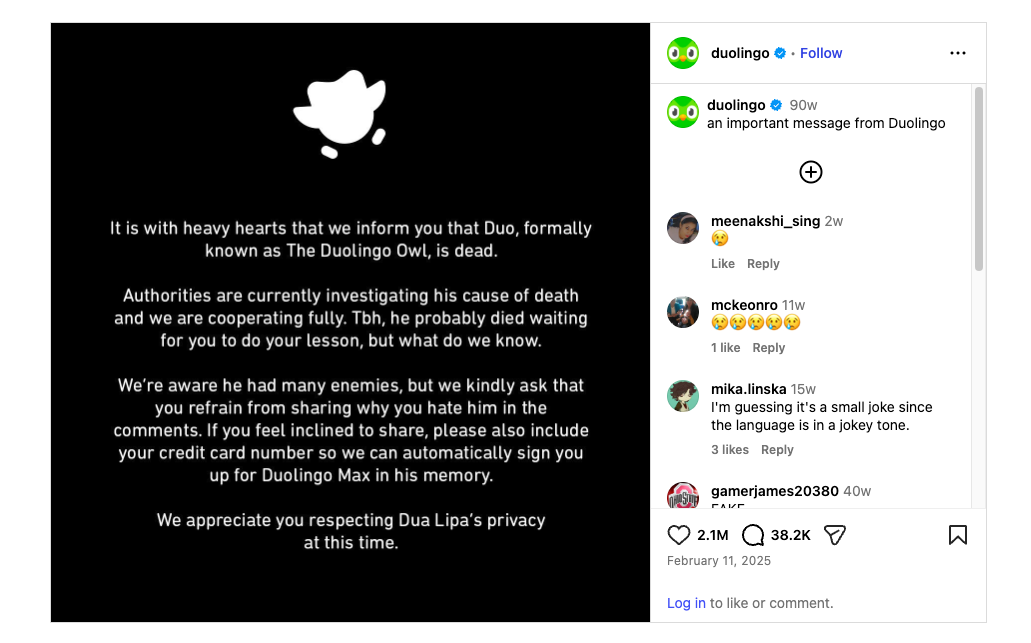
(Don’t worry, it was later resurrected.)
Some are limited-run products. Dove created a limited-edition perfume based on its signature beauty bar scent.
Some products seem less real than others.
For instance, Liquid Death partnered with Spotify to create 150 urns with Bluetooth speakers built into their lids, aka the Eternal Playlist Urn.

Some are competitions or challenges. Scrap Car Comparison partnered with fashion students to create accessories from recycled seatbelts, then auctioned them for road safety charity Brake.

And some are product challenges.
Lollipop maker Chupa Chups created an absurdly difficult-to-open wrapper, playing on customers’ complaints that wrappers are hard to open. It then sent the wrappers to creators and challenged them to break them.

The list goes on. If you want to keep track, I highly recommend subscribing to our newsletter, where I highlight campaigns like these each week.
At the end of the day, the idea is to get people talking about your brand.
These can be risky, however.
For instance, Dove received a lot of backlash for its limited-run perfume because not enough people could buy it (even though that was kind of the whole idea).
They can also get expensive.
How to get started
Always start with something relevant to your audience and brand, then explore an unexpected angle (which creates the emotional hook) to express it.
You can even try to write the headline you hope a journalist would cover first. But always check whether similar publications cover that kind of story.
Then build enough of the idea to make it understandable—even if it isn’t real: images, a prototype, a landing page, or an activity people can join.
Expert Opinions
Get feedback before committing to production.

Brave Bison
Olivia Wiltshire told me on the podcast that her team tests ideas with journalists they already have established relationships with. They share the basic concept and ask whether it would interest them. That feedback can reveal what’s missing—or what else the journalist would need—while there’s still time to improve the idea.
11. Create an Event or Activation
Events can take many forms, but at their core, they give people something to experience and journalists something to show.
They can be a pop-up, a demonstration, a community activity, or a competition.
For instance, as explained on our podcast episode with Paxton Grey of 97th Floor, his team interviewed accountants and kept hearing the same frustration: dealing with paper, printers, copiers, and fax machines.
So their document management client, eFileCabinet, built a mobile “Rage Cage” at an accounting conference.
Attendees could put on safety gear, grab a sledgehammer, and smash the equipment that frustrated them.

To get press, the team invited journalists.
In another example, women’s health brand Daye’s “Discharge the Taboo” campaign brought a giant pair of stained inflatable underwear to Manchester’s Cathedral Gardens.
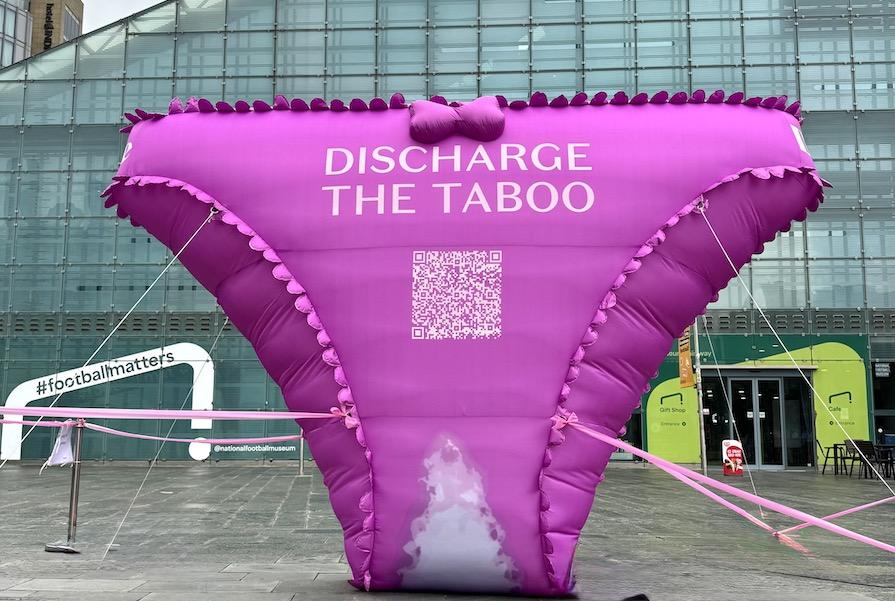
The installation encouraged conversations about vaginal discharge, and visitors could collect free period products.
It also gave journalists something to photograph.
V.E.T. check: Daye’s installation had a timely reason to be covered: a dated public event, on July 31, 2026, that journalists could attend and photograph.
How to get started
For me, you need to define what makes the activity worth covering: the people involved, an unusual experience, or a meaningful local benefit.
Then start planning whatever interviews, photographs, demonstrations, and access a journalist would need to tell a compelling story.
Pitch before the event, then share useful photographs and outcomes afterward.
This is also where tactics overlap. The event might generate the opportunity, while the people taking part give the journalist the story.
Choose the Format That Supports the Story
Any of these tactics can use different formats, and they can all start to intertwine.
A survey could become an interactive map. Expert advice could support a calculator. An experiment could work best as a short video.
Based on my experience, here’s how and when to match formats:
| Format | When I’d consider it |
|---|---|
| Email with comments or findings | The story is understandable without a separate asset. |
| Press release | You have a formal announcement, like a product launch, partnership, or research release, and journalists need one official, quotable version to cite. |
| Blog post or research page | Journalists need somewhere to check findings, sources, or methodology. |
| Graphics, maps, photographs, or video | Seeing the information makes the story easier to understand. |
| Tool or interactive | Readers benefit from exploring the information or getting a personalized answer. |
| Microsite | The campaign needs a dedicated experience that your existing website can’t easily support. |
A single useful chart might be everything you need.
Where Digital PR is Different from Traditional PR
Up to this point, a lot of these campaigns may feel like traditional PR tactics. The difference is largely historical.
Digital PR spun out of SEO as a way to generate high-authority links that could help sites rank better, so a placement without a link often wasn’t counted as a success.
Traditional PR, by contrast, has focused on share of voice, reach, and placement rate, and its tactics extend into non-digital media.
AI has changed that.
SEO-focused digital PR teams now care about metrics like share of voice and unlinked mentions because they align with AI visibility goals.
Meanwhile, traditional PR teams are being pushed into the digital realm.
In other words, the quest for AI visibility has blended the two to the point where they are mostly the same thing.
Turn the Tactics Into a Digital PR Strategy
You don’t need to use all 11.
Start with what you want to achieve, who you need to reach, and what you can realistically produce.
| What you have | Where I’d start |
|---|---|
| Useful internal data | Proprietary data analysis |
| An emotional audience question | A survey, experiment, or analysis of existing data |
| An available specialist | Expert commentary or interviews |
| People with relevant experiences | Human-interest stories |
| A meaningful product development | Product PR |
| A strong creative idea and production resources | A concept, stunt, or activation |
And don’t be afraid to mix and match.
A mortgage campaign, for example, could combine buyer-demand data, an expert explaining the change, and a buyer describing their experience.
You could plan it around an upcoming event or respond when relevant news breaks.
Then, before committing, run the idea through my V.E.T. framework:
- Value: does it provide value?
- Emotion: does it evoke emotion?
- Timeliness: does it have a timely reason to be covered?
One strong idea can give you several useful stories—as long as each adds something worth covering.



 Check out the BuzzStream Podcast