
 End-to-end outreach workflow




Table of Contents
- Every idea should provide value, evoke emotion, and be timely.
- Value means new information, useful tips, all targeting the news outlet’s readers – not the journalist.
- Emotions that work are anger, frustration, joy, fear…the more extreme the better.
- Timely answers “why should I cover this right now?” for the journalist.
- This acronym doesn’t really apply to big names/events, trade news, or world events.
Many PR stories die before they even reach a journalist.
The ideation phase is arguably the most important step before you get into campaign execution or pitching.
I already have my C.H.A.M.P. acronym for crafting pitches and F.I.T. acronym for identifying the right journalists, so I wanted to fill the gap with a new framework to help you gauge whether your idea is newsworthy.
Introducing the V.E.T. framework:
V – Valuable
E – Emotional
T – Timely
This applies to 95% of ideas (I’ll get into where it doesn’t fit).
In this post, I’ll walk you through how to judge your idea at each step, plus tips for getting closer to a V.E.T. idea, with real-life examples that do it well.
Here’s the framework:
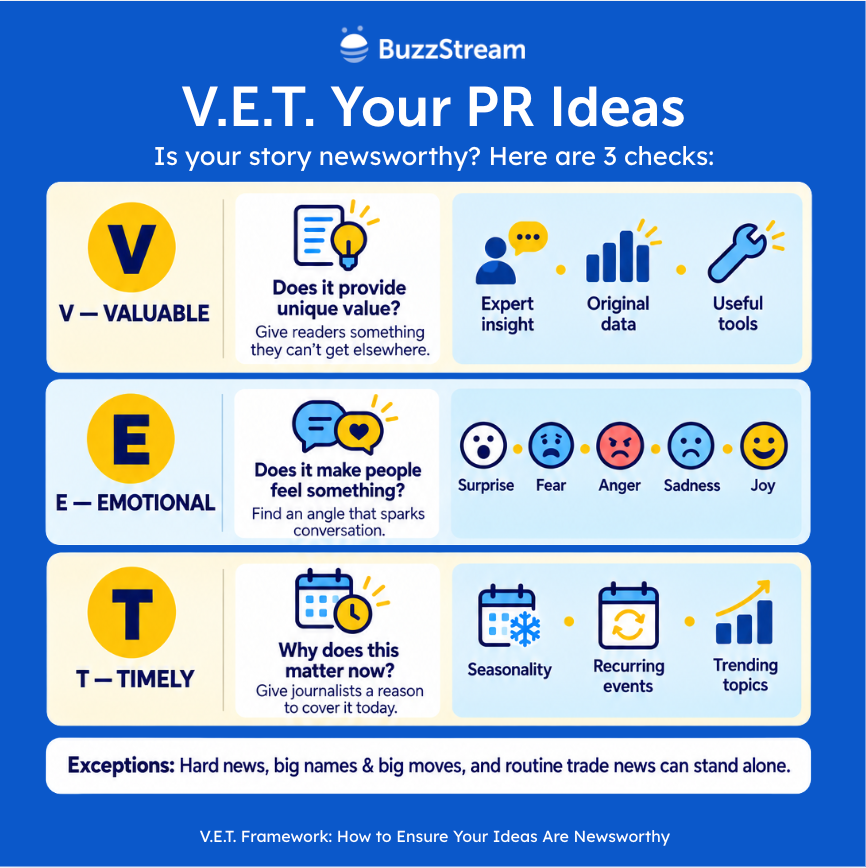
Now let’s break it down:
VALUABLE – Does it Provide Unique Value?
On the other end of your pitch is a journalist with traffic goals.
They don’t need your story to be valuable to you.
They need it to be valuable to their audience.
(Remember, a reporter has to sell your story to their editor.)
Former Reach editor Sam Forrester reminded me on our podcast discussion to “act like you’re there to help them achieve their page views.”
In some ways, thinking about a journalist’s audience at the ideation stage seems counterintuitive, but I say it’s almost mandatory these days.
I argue that you should always know who your story will target as early as possible so that you can get hyper-focused.
How to judge if your idea is Valuable
I’ve asked a lot of journalists (and former journalists) on the BuzzStream Podcast what makes a pitch worth their time.
The same theme keeps coming up: give them something they couldn’t get on their own.
Is it new information?
Truly valuable information is new or novel.
Rob Waugh, a nearly 30-year veteran who’s written for the Daily Mail, Yahoo News, and The Telegraph, told me this rule from a former editor: “If the information in the article you are writing can be found through a Google search, it should not be in the newspaper.”
Jasper Hamill, a tech journalist with Machine.newstold me in a podcast episode that journalists want “some kind of insight that isn’t available anywhere else.”
He says businesses “often do know something they haven’t let on.”
Run the Google test.
Search your key finding or quote.
If the answer is already sitting on page one, the journalist doesn’t need you.
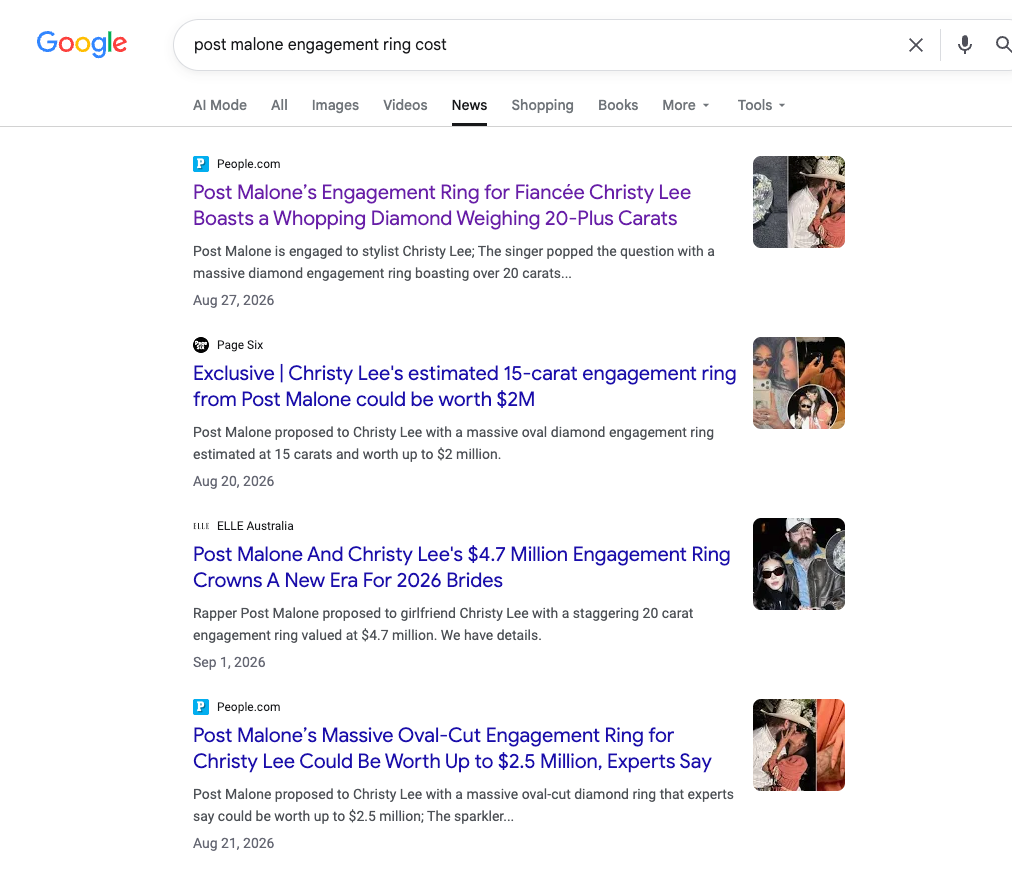
For instance, say you wanted to provide a quote to a journalist covering the cost of Post Malone’s engagement ring.
A quick Google search reveals it’s already been covered.
Not valuable.
Is this relevant to their readers?
According to Muck Rack’s State of Journalism report, 78% of journalists define a truly relevant pitch as one that directly impacts their audience’s community, going beyond just matching a basic beat.
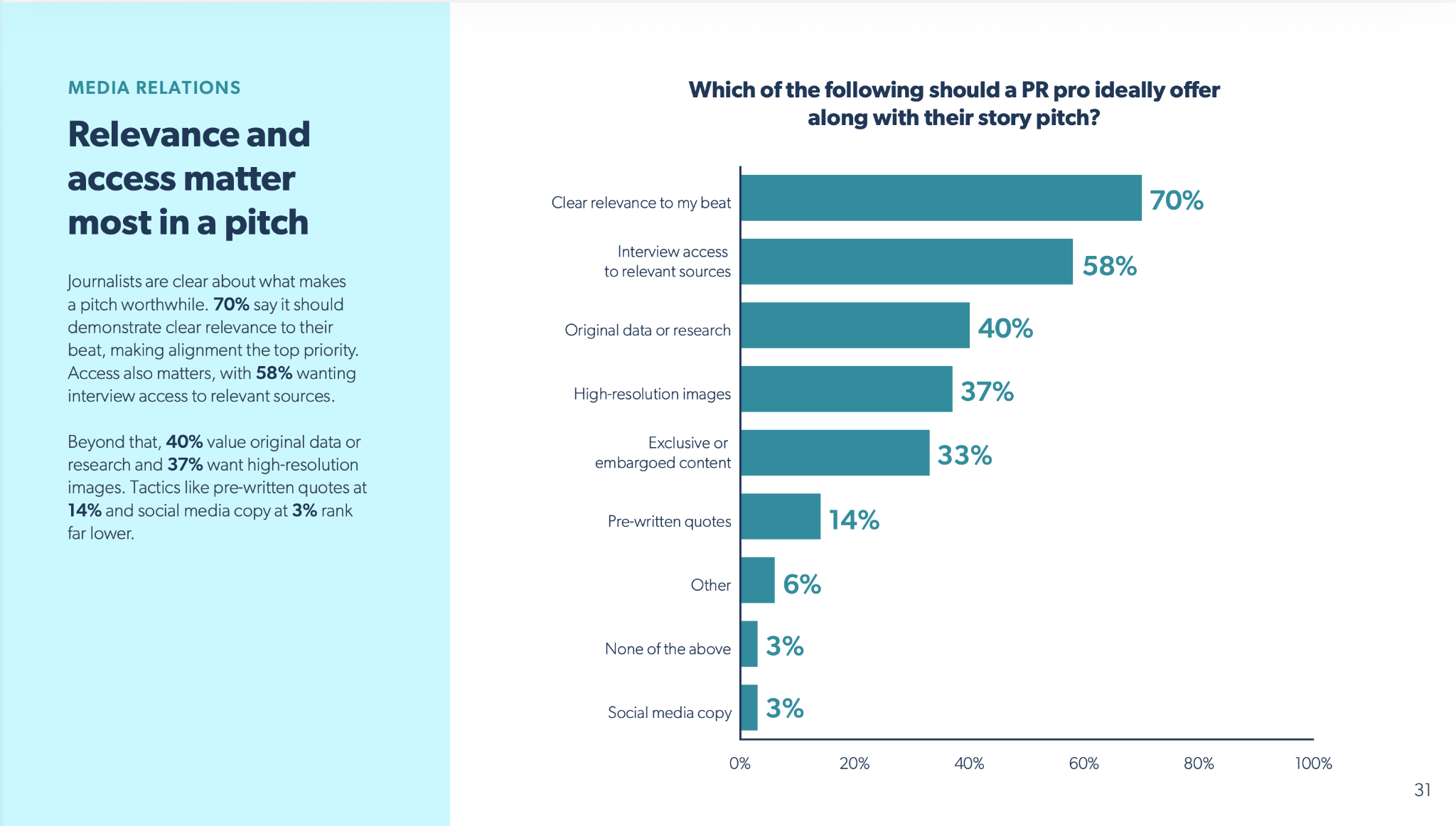
And the best way to provide value: give them something relevant.
Always put yourself in the journalists’ shoes. Better yet, put yourself in their readers’ shoes.
Tips for Providing Value
Here are some tips for ensuring your idea will provide value.
1. Share a quote/stat/content that furthers a story or trend
This starts to blend with timeliness, but if you are looking at a current story or trend and want to comment on it, always try to push the story in a new direction.
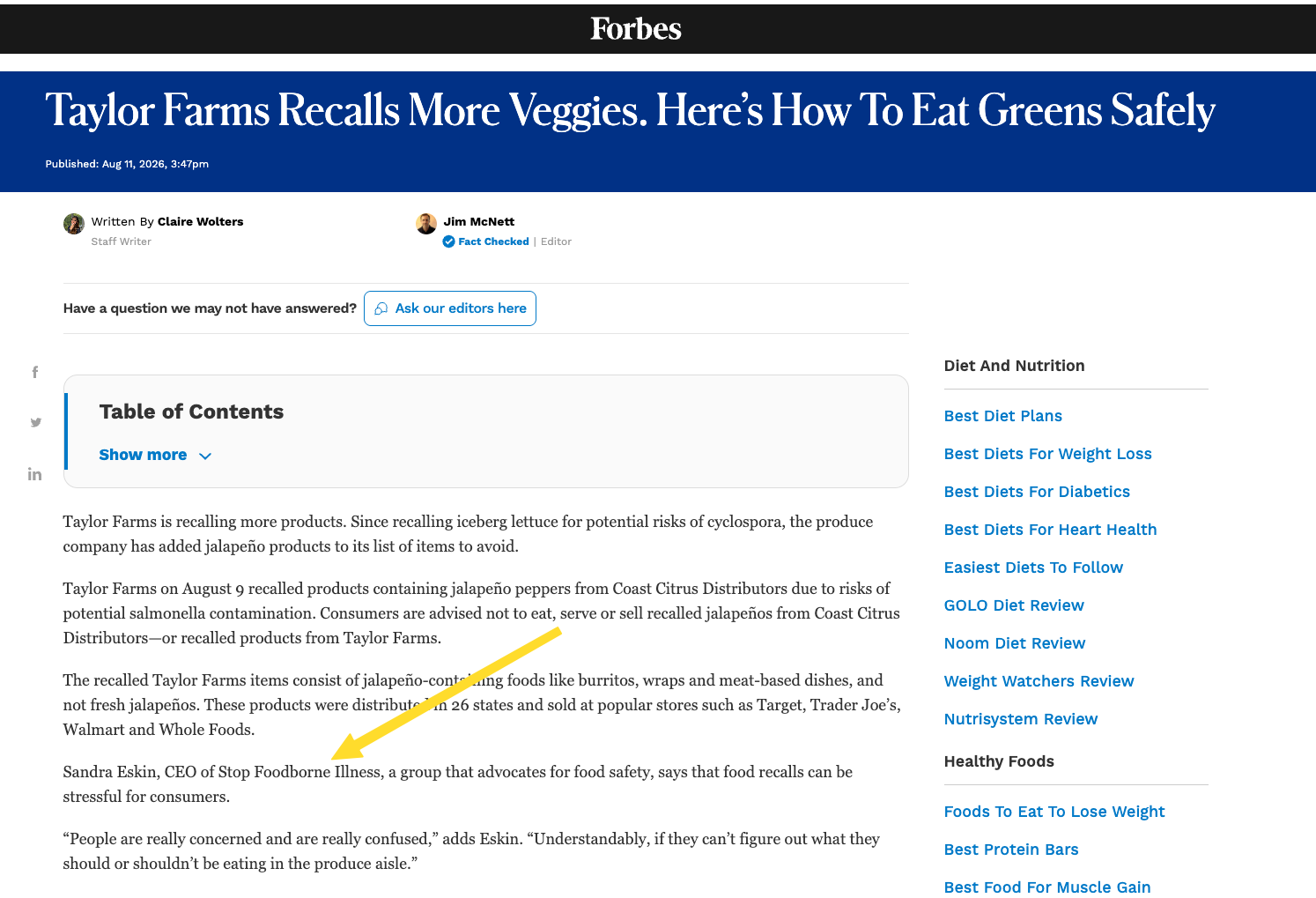
For instance, here is news of a recall in Texas due to allergen contamination.
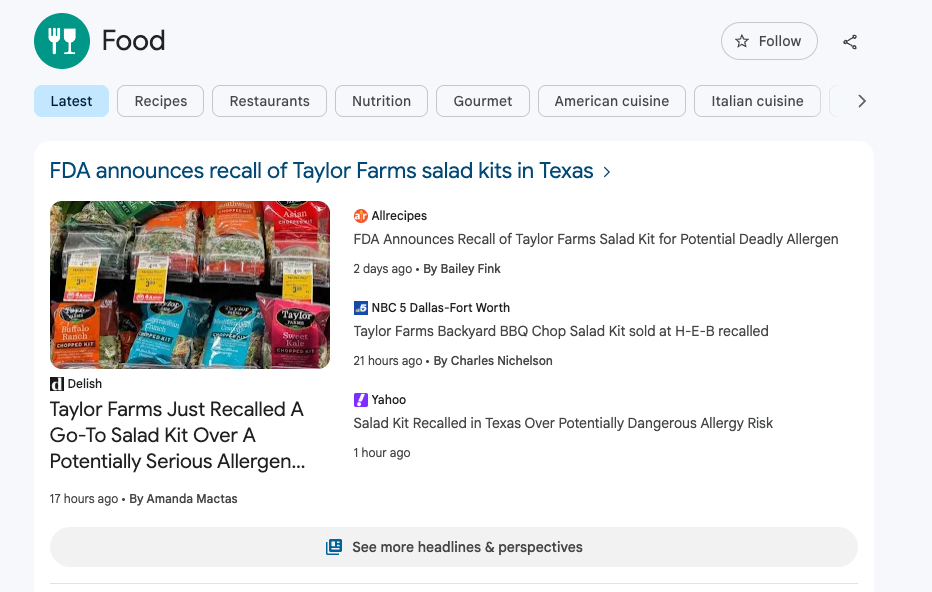
Below, you can see brand commentary in a Forbes article in response to the recall, giving readers valuable information on how to eat greens safely.
2. Explain a complicated topic
Although AI tools like ChatGPT can explain topics these days, some demographics still trust what they hear in the news.
Say I see that Wheat-Free diets are trending on Pinterest.
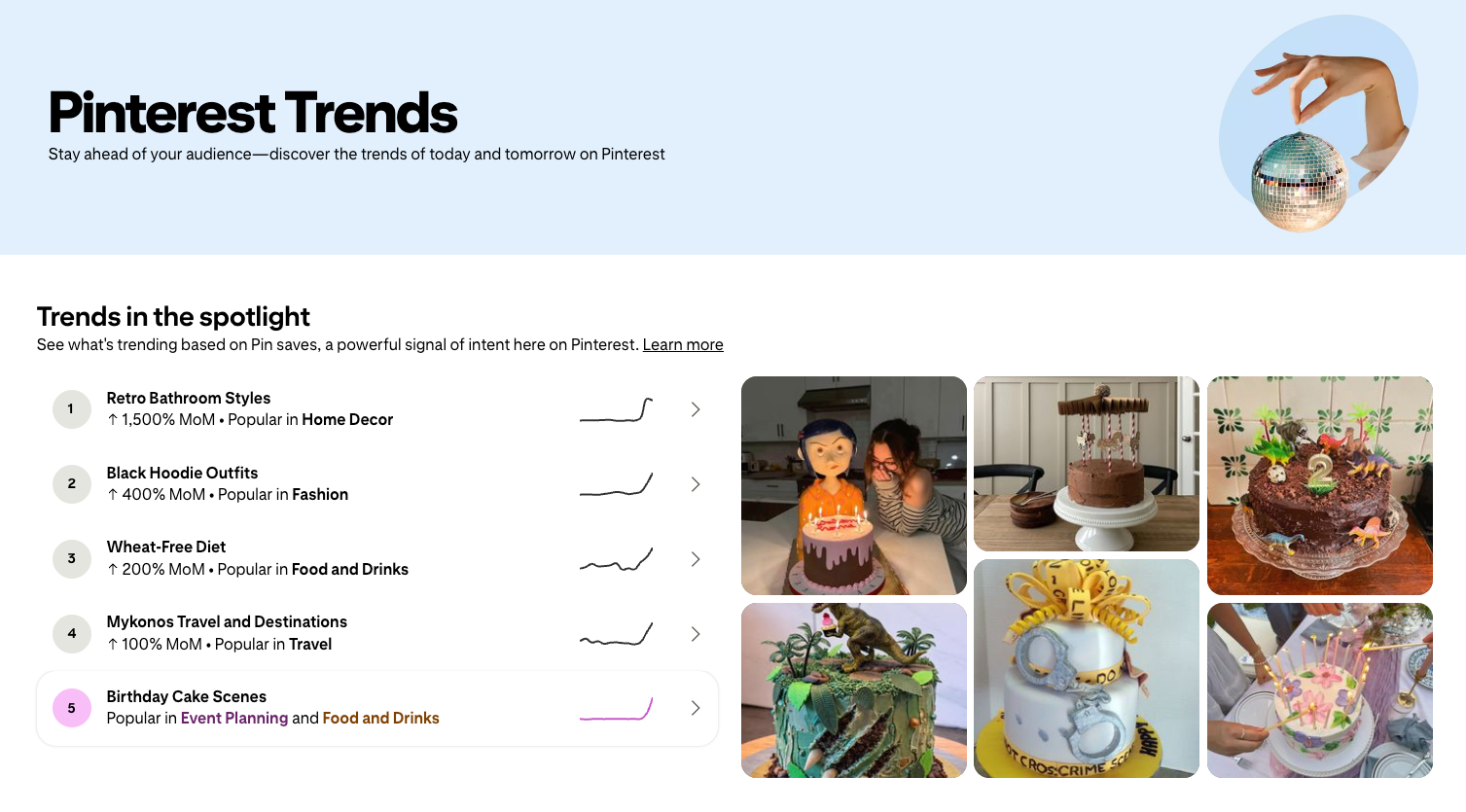
Perhaps you can provide an expert comment on how to stay wheat-free, along with some helpful recipes.
Oftentimes, when new stories trend, you’ll see talking heads come on to explain what is happening.
For instance, Google News is showing a top story around Alaska’s midterm elections controversy:
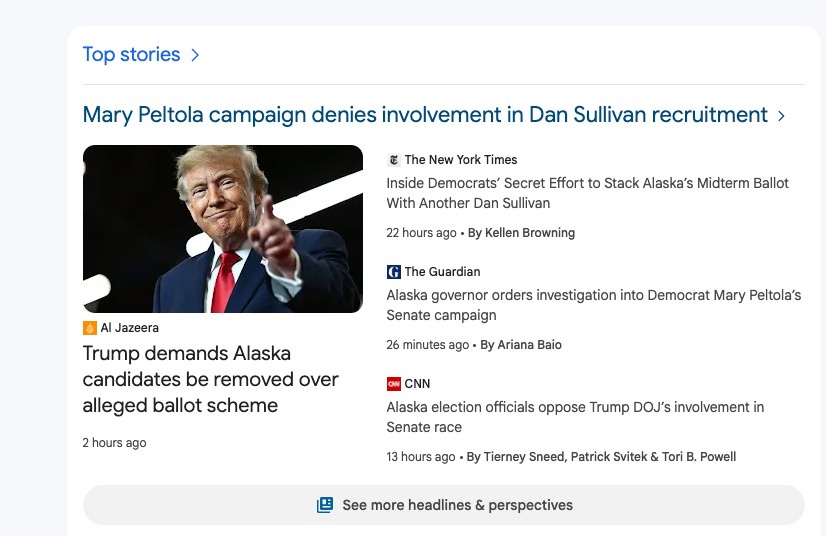
Looking into some of the articles, you can see how legal experts are “weighing in” to provide value to NBC News’ readers:
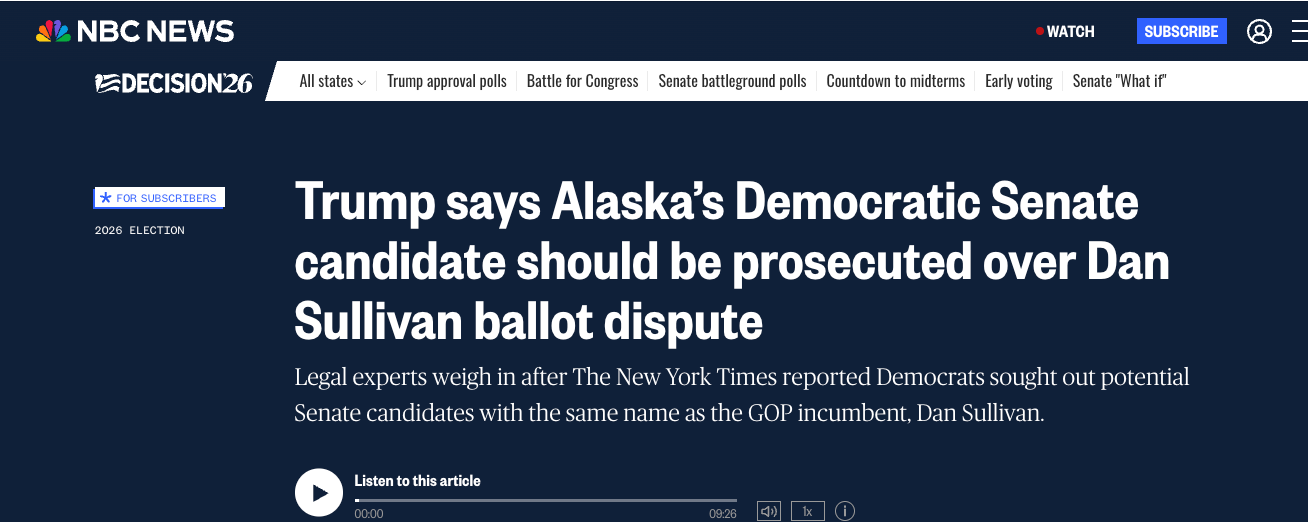
This could easily be an opportunity to pitch a thought leader.
3. Provide a data point only you have access to
Proprietary data works best because journalists can’t access it.
(We could put surveys under this bucket, but journalists and publishers can and do commission their own surveys).
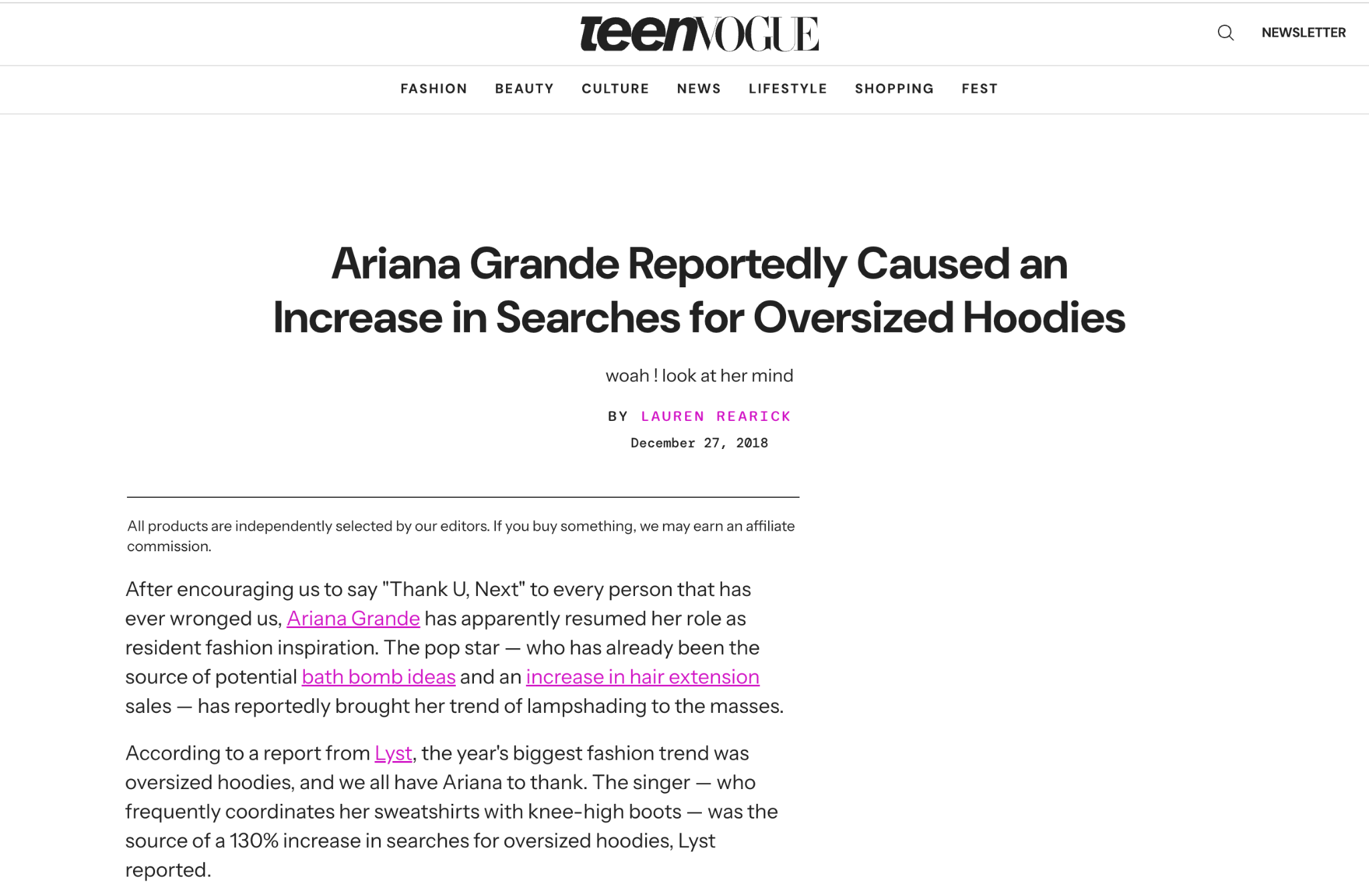
One example in a Teen Vogue article cited data from Lyst showing that oversized hoodies had a 130% increase in searches:
4. Create a tool that helps readers do something
Although interactives can sometimes be harder to pitch, if you can make them irresistibly helpful, you can still get coverage.
For this example, digital PR expert Sage Singleton at Clearlink told me on our podcast about a campaign they ran a few years ago around a congressional announcement.
The announcement ended the Affordable Connectivity Program, which provided internet access to over 23 million Americans.
She used data from her client’s site, WhistleOut, and built a helpful tool that showed not only who was losing access…

…but also where they could go to get new access:
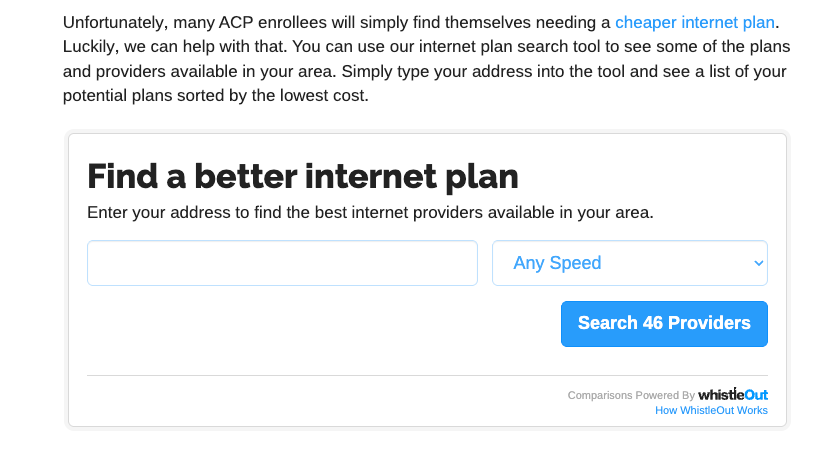
The study ended up getting over 150 pieces of coverage.
5. Provide an alternative view to a known fact or trend
Here’s a report from Nationwide that found UK consumers were moving back to cash, challenging the trend toward digital payments.
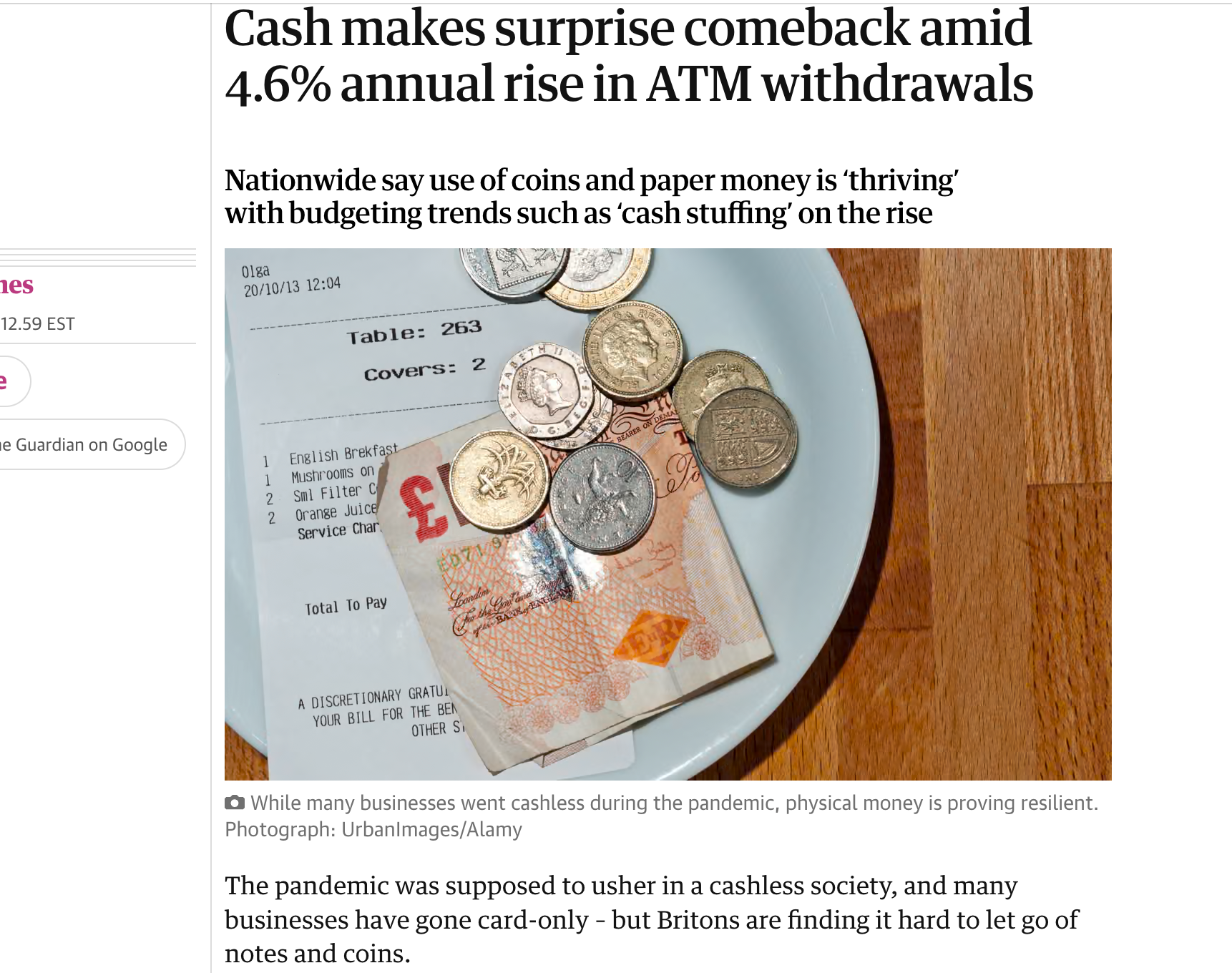
This got coverage in the Guardian , calling out that specific alternative view.
There are many more ways of providing value, many of which you can find in our digital PR examples post.
For now, let’s move to the next letter: E.
EMOTIONAL – Does your Story Elicit an Emotion?
People share and talk about stories that strike a nerve.
To me, you can boil down most news stories (with the exception of hard news—which I’ll get to later) to a mix of these five emotional buckets:
- Surprise (I didn’t know that)
- Fear (this scares me)
- Anger (this makes me mad)
- Sadness (this breaks my heart)
- Joy (this makes me happy)
But most pitched news needs an emotion (or multiple) as a hook.
A $3M raise, a feature launch, or a survey has no feeling attached by default.
Former Emmy-winning news director Mike Fahey told me in our podcast that if survey data is “genuinely novel” and “shocking enough” it can justify coverage on its own.
Unfortunately, I think news tends to skew negative.
We analyzed 624 Talker Research surveys, and the emotional themes that came out on top were largely negative:
| Core Emotion | Avg. referring domains |
|---|---|
| Burnout / Overwork | 22.6 |
| Financial Strain | 18.4 |
| Fear / Threat | 14.2 |
| Loneliness & Loss | 13.5 |
| Controversy & Anger | 11.1 |
An analysis of about 2,350 YouGov surveys found that positive came out on top, but the remainder were largely negative:
| Core Emotion | Avg. referring domains |
|---|---|
| Excitement / Joy | 49.0 |
| Fear / Anxiety | 42.5 |
| Disgust / Disapproval | 40.1 |
| Curiosity / Surprise | 36.1 |
| Controversy / Anger | 35.4 |
So, let’s look at ways you can judge the emotions in your story.
How to judge if your idea is Emotional?
Based on my chat with YouGov and Talker, I came up with a few best practices for judging emotion.
Is it something that matters to people?
In our podcast episode, YouGov’s Brian Reitz told me he uses this test to decide whether a topic is worth surveying.
He asks, “What is something that actually matters to people, and what is something that people have an opinion on?”
He also warned, “If you run a survey and 60% of people haven’t heard of it, the results aren’t that interesting.”
Does the idea generate talk?
In our episode with Talker Research’s Rick Maughan, he told me that when brainstorming ideas, he typically asks, “Does it generate talk?” (Which is very appropriate for a brand called Talker Research.)
The sign he looks for: “Do people want to chip in, share their anecdotes?”
We used this all the time at Siege Media.
If our Slack channel was lighting up with chatter about a topic, we knew we had something good.
Tips for eliciting Emotion
Ok, so how do you get to that emotion?
Here are some tips:
1. Write the headline first
Thinking headline-first will put you in the mindset of a journalist.
Look at some top-performing headlines of an author from your target news site.
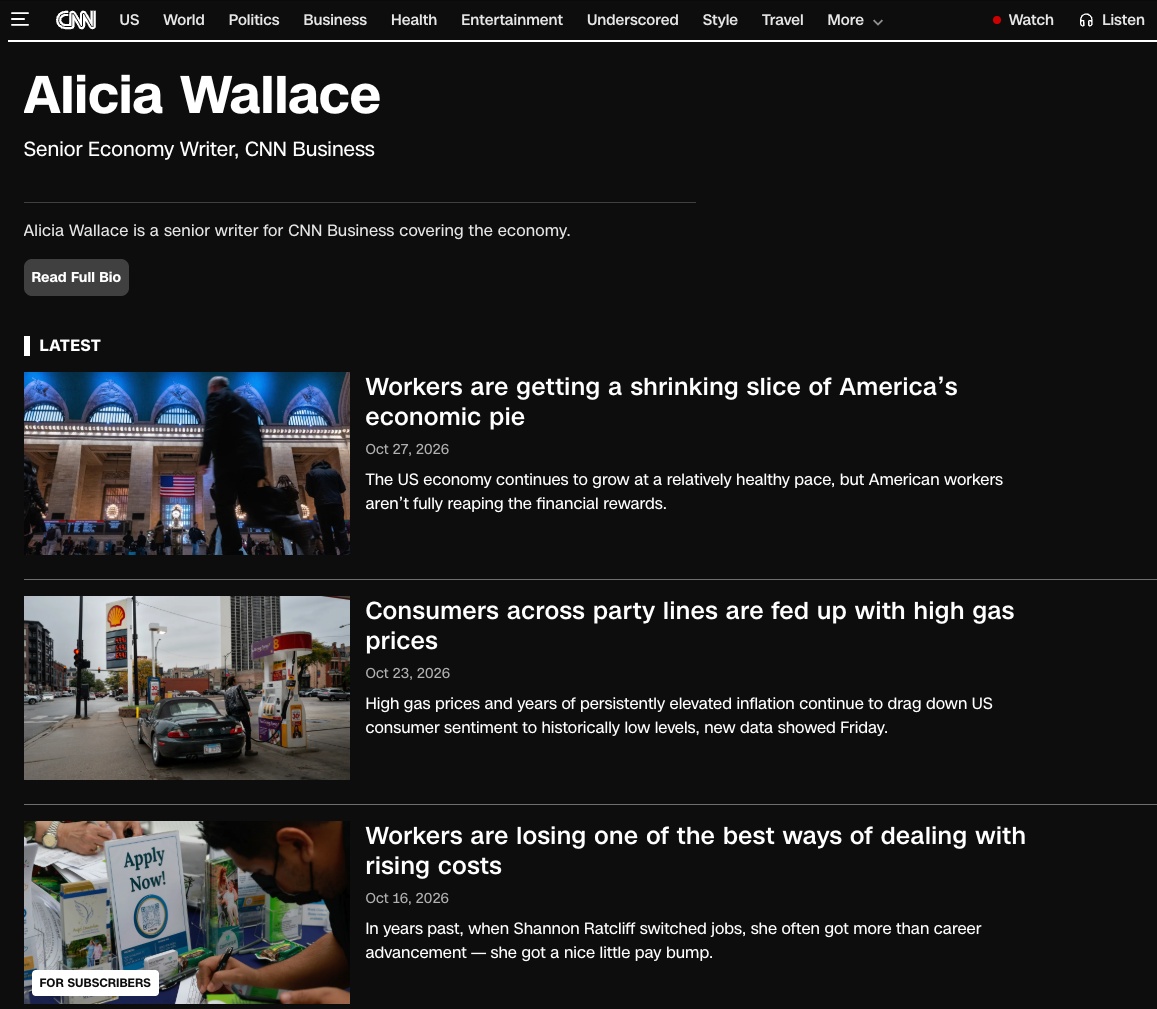
So, if I were ideating a survey piece, I could apply this same headline structure:
- X Consumers are fed up with high gas prices
- X workers are afraid of losing benefits due to rising costs
- X Americans are angry with Y
Once I have the headline, I can work backward to figure out what data I need to tell the story.
Check out my piece on survey ideation for more tips there.
2. Try the Product + Emotion equation
Take your core topics, products, or services and add an emotion.
In my industry, it could be “Sending Emails + Stress”.
Then, following the last tip, I can start by writing some headlines around that mix:
X% of PR pros are stressed by the amount of emails they need to send
Your customer service team may be able to point you to pain points. But you can also try an AI tool of your choice.
Here are some great ideas from ChatGPT for Sending Emails + Fear:
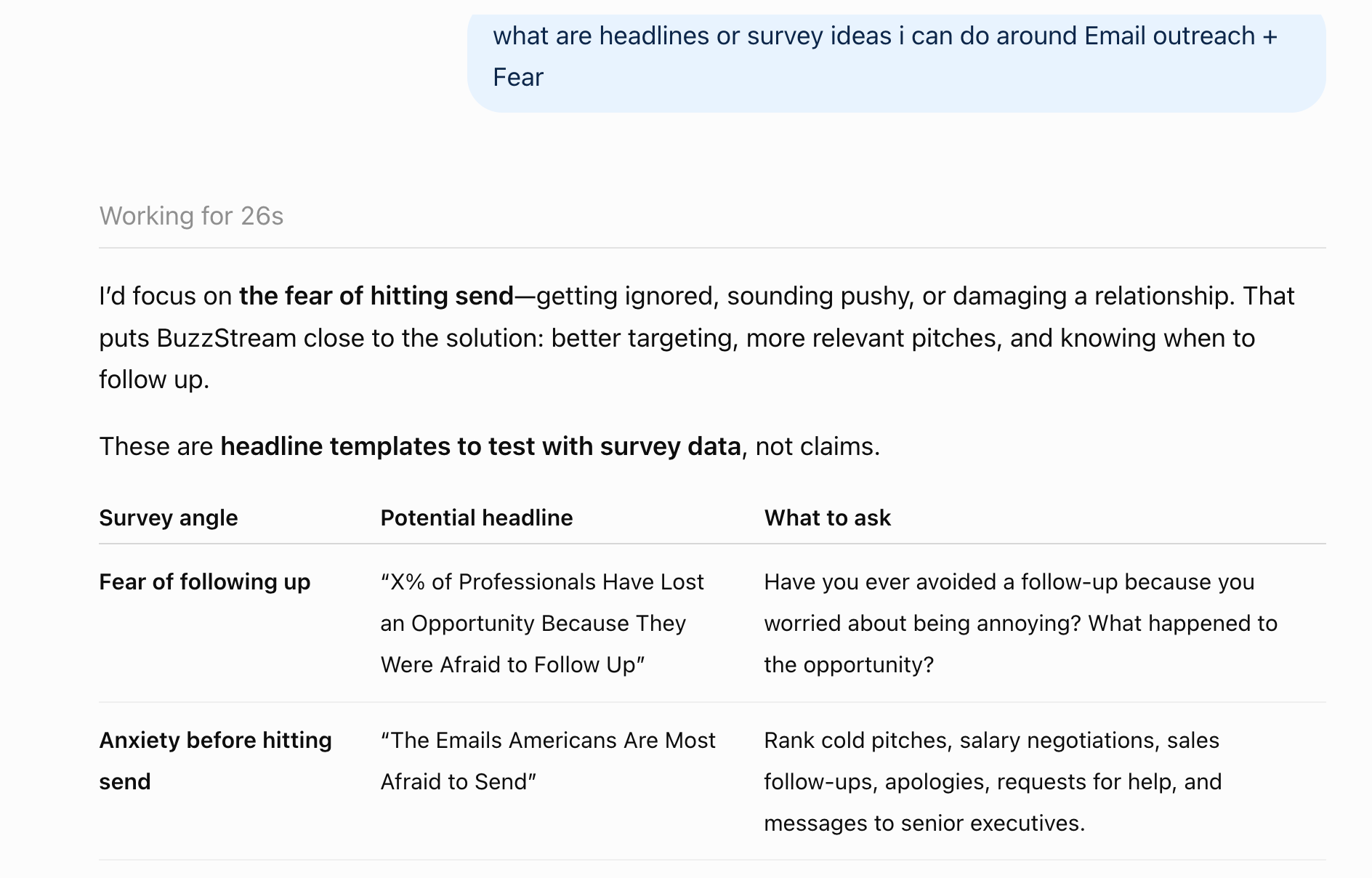
But focusing on emotion will only get you so far; the last piece of the puzzle is timeliness.
Timely – Does Your Story Have a Timely Hook?
Although it comes last, timeliness is arguably the most important piece of the V.E.T. framework.
A journalist can’t run a story “whenever.”
A timely hook tells them to act fast, shows why it matters to readers this week, and gives them an easy case to make to their editor.
(Even an exclusive won’t save a story with no urgency.)
You can see it in the survey data too.
The top Talker posts we analyzed tied into tax refunds, New Year’s resolutions, the holidays, and Halloween: all timely.
How to judge your idea’s Timeliness?
The best way is to answer, “this matters now because…”
If the honest answer is “it doesn’t,” you don’t have a T.
I’ve written before about why every pitch needs a “why now”, and with the exception of some very niche trade pubs that will write about any news, I stand by this being a universal rule.
Tips for Timely campaigns
There are four main ways to make your idea timely.
1. Use seasonality.
The obvious seasons, plus weather (heatwaves, hurricanes, allergy and flu season), elections, and awards.
For instance, during the holiday season, a product review site, Which, published a study that found that Black Friday deals were cheaper at other times during the year.
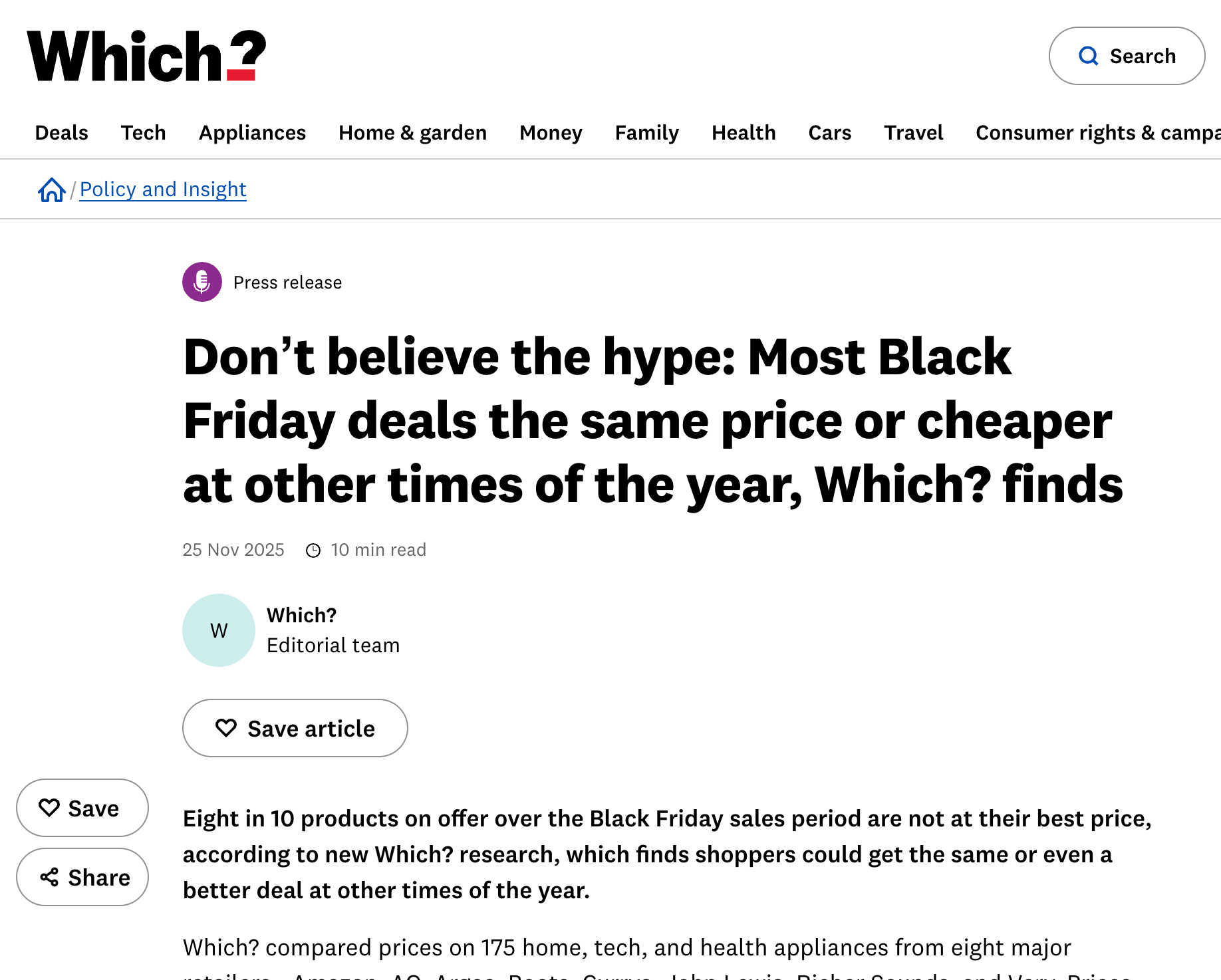
This got coverage from The Standard, keeping the Which site top of mind for holiday shopping (and price comparison).
2. Try recurring events
Holidays, the Super Bowl, awareness months, even social media “holidays.”
For example, supermarket Waitrose found that alcohol sales rose 11% during “Dry January”. This fact provided the basis for a story in The Independent earlier this year:
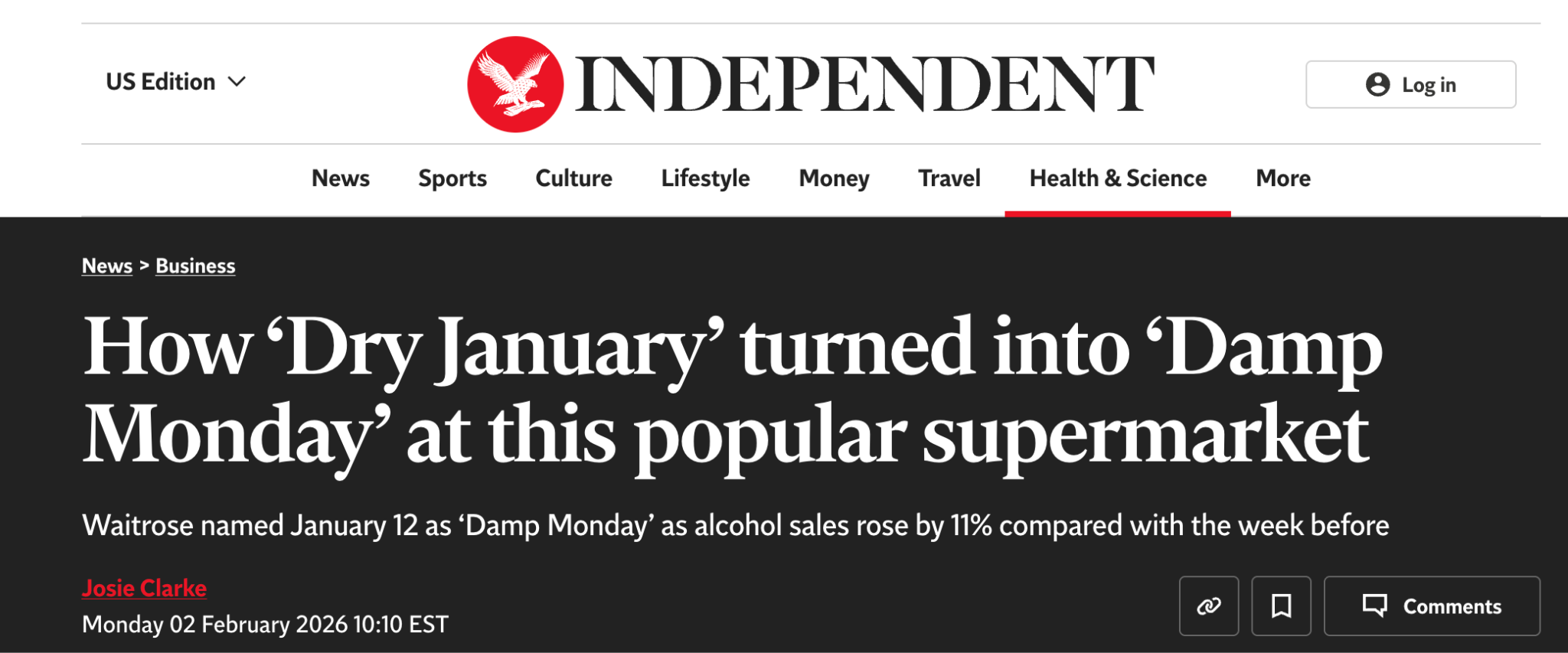
You can find all of these kinds of holidays and events from our PR calendar.
Tip: Mark Rofe warned us in our podcast episode that the more popular the holiday or event, the more crowded the space.
These days, trends may be the way to go.
3. Tap into trending topics
Check any of these top social sites or Google to find trends relevant to your industry.
| Website | What to look for |
|---|---|
| Google Trends — Explore | Longer-term growth, seasonality, regional differences, and rising related searches. |
| TikTok Creative Center | Trending hashtags and other TikTok trend signals. |
| Pinterest Trends | Growing interest in food, fashion, beauty, interiors, weddings, and other visual categories. |
| Reddit Popular | Discussions attracting broad attention. Also check individual subreddits for niche trends. |
| Trends24 | X trending topics by location, with a timeline of the past 24 hours. |
Then, provide expert commentary to a breaking story, create new content tied to it, or pitch existing content as a resource.
For instance, the team at Bospar said they spotted the “winter uglies” trend on social media and pitched their client, a dermatologist, with some expert tips to the New York Post, ultimately ending up with this coverage:

Here’s our full newsjacking playbook.
When You DON’T Need V.E.T.
There are three scenarios where you don’t need V.E.T. (though in some cases V.E.T. can act as an amplifier).
1. World Events
Major events like elections, storms, and crime don’t need V.E.T.
But they also typically aren’t yours to pitch.
If you want in on one of those ideas, that’s newsjacking, and your angle still needs to be Valuable or Emotional.
2. Big Names and Big Moves
Many major brands get covered no matter what.
In my interview with Jasper Hamill, he mentioned that a few years back tabloids could always count on stories about Elon Musk performing well.
“You could literally put Elon Musk in the headline of anything…Some of the stories I wrote about Elon Musk from his Twitter feed were half an hour’s work, and I’d get gazillions of hits.”
For me, a good starting point for whether they can get coverage on their own is if they have a Wikipedia page.
For everything else, which is about 95% of what brands pitch, you need V.E.T.
3. Beat/Trade News
Some outlets cover routine announcements because that’s the whole part of their job.
Sports writers often cover even the most mundane news because that’s their job.
Trade publications typically cover hires and promotions or small funding rounds.
For example, Glass International, a trade publication for the (you guessed it) glass manufacturing industry, shared a story about a new sales and marketing VP:

In these cases, journalists write about it because it represents a market shift, not because it provides a “cool dataset” or “human emotion.”
Mix and Combine for PR Success
I realize some of these start to overlap.
An idea can be valuable because it is timely, like a tool that helps you find cool places in the UK to go during a heatwave.
An idea can be emotional because it is timely, like a story that falls on an anniversary, such as eBay opening a Pokémon shopon Pokémon’s 25th anniversary.
If you can keep these three factors in mind, your idea should resonate with any journalist.
The next step is pitching your idea.
For that, check out the C.H.A.M.P. method and our media pitch examples.
Then, find the best journalists using the F.I.T. framework.
Good luck out there!



 Check out the BuzzStream Podcast