
 End-to-end outreach workflow




Table of Contents
- Start with the most relevant reporter. Review their recent coverage, then try the assignment editor for TV or an editor for print and digital outlets.
- Make the local connection clear. Show how your story affects the community, and include local people who can bring it to life.
- Match your pitch to the format. Print needs a clear story and supporting data; TV needs visuals and on-camera guests; radio needs someone who can talk.
- Give journalists everything they need upfront. Include data, quotes, visuals, event details, and expert availability to reduce back-and-forth.
- Time your pitch around the newsroom. Aim to arrive before the morning planning meeting in their time zone, and hold off when major breaking news dominates coverage.
Local newsrooms in the US have been shrinking.
A new study from Local Journalist Index shows 7.8 local journalists per 100k residents in 2026, down 81% from 40 per 100,000 in 2002.
As newsrooms cut staff, the remaining journalists are overloaded, and our research shows they are outnumbered by PR pros at least two-to-one.
So, pitching to these newsrooms requires a different approach than pitching a national publication or a niche publication like TechCrunch.
In this post, I’ll break down how US local newsrooms operate and how to pitch them, drawing on what I’ve learned from interviewing 100+ podcast guests, data from millions of BuzzStream emails, and 10+ years of pitching experience.
How Local Newsrooms Work
To start, let’s talk about how local newsrooms work, because they aren’t the same as national newsrooms, and not every local newsroom is set up the same way.
The biggest split is between broadcast newsrooms (TV stations and their websites) and non-broadcast newsrooms (newspapers and digital-only local sites).
Who does what, and who you should pitch, differs significantly in each.
Broadcast newsrooms (TV stations)
Every TV broadcast newsroom, like the one behind Connecticut’s local Fox61, revolves around the assignment desk.
Mike Fahey, founder of Fahey Communications and a former newsroom producer and news director, called them the gatekeepers.
In our podcast episode, he told me:
“They’re the ones that are the hub of knowledge. They’re listening to scanners, monitoring the Internet, monitoring emails… they’re also setting the agenda for the day.”
From there, they pick stories in planning meetings, and most newsrooms hold several a day.
Then they assign stories to reporters.
But reporters work different shifts, and each one has a different target.
Every newsroom is different, but here’s how Mike explained his experience at local outlets in Boston and Baltimore:
| Shift | When they start (per Mike) | What Mike says about them |
|---|---|---|
| Morning | ~3 a.m. | “Not a lot of morning reporters are doing a lot of enterprise reporting*.” |
| Day side | Between 9 and 10 a.m. | Where “the bulk of your enterprise reporting” comes from. It’s when officials speak, and news conferences happen. |
| Night side | Between 2 and 3 p.m. | They cover the day’s news and breaking stories. But Mike will pitch a self-contained feature at 3 p.m. to try to get it on the 6 p.m. news. |
(*Note: “Enterprise reporting” is when a journalist brings their own stories to the table rather than using external news like press releases.)
Again, that’s not a universal schedule.
And remember, a station’s website (like fox61.com) is still part of a broadcast newsroom.
Non-broadcast might look a bit different.
Non-broadcast newsrooms (newspapers and digital-only sites)
Non-broadcast newsrooms, like Nashville’s daily paper, The Tennessean, mostly have editors and reporters.
Reporters who get pitches still typically need to “pitch” their stories to an editor who will have the final say.
Collin Czarnecki, founder of Noble and a former Patch editor, has worked on both sides.
In our podcast, he said that some sites are so small they are essentially a “one-man band operation,” where the editor is also the reporter.
That’s a great segue into our next section on figuring out exactly who to pitch at a local newsroom.
Who to Pitch in Local Newsrooms
Always aim to pitch the most relevant reporter first, no matter the newsroom.
Finding relevant reporters and journalists usually means reviewing their last 10-20 articles and gauging how close they are to what you are pitching.
I call this the F.I.T. check (matching format, industry, and timing).
But who comes next depends on what kind of newsroom you’re pitching.
At a broadcast station
The assignment editor is second on the list, sometimes first, depending on who you ask.
Nicole DeLeon, Founder at North Star Inbound, ranked the assignment editor first for local TV, calling them “the newsroom’s center (literally and figuratively).”
Mike called the assignment editor “the person who’s gonna like give your story to the masses if you can’t reach them otherwise.”
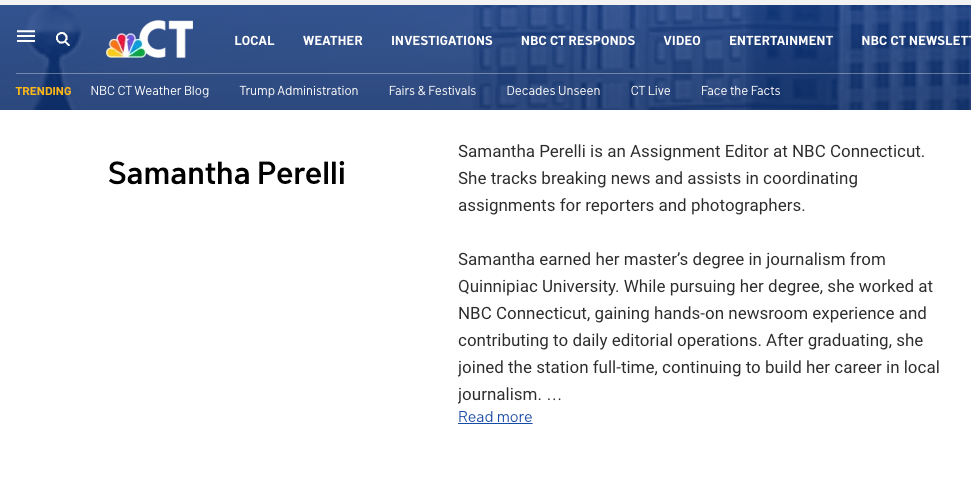
On the flip side, Collin told me he uses assignment desk and tip line contacts “sparingly,” because depending on the newsroom, that pitch “might be going to everyone.”
I’d judge based on the kind of content you are pitching.
If your pitch is hyper specific to a category like local sports or a restaurant opening, try to find the reporter covering those.
But if it is data that impacts the whole city, that might warrant an email to the assignment desk.
Titles rarely tell you who works mornings or nights.
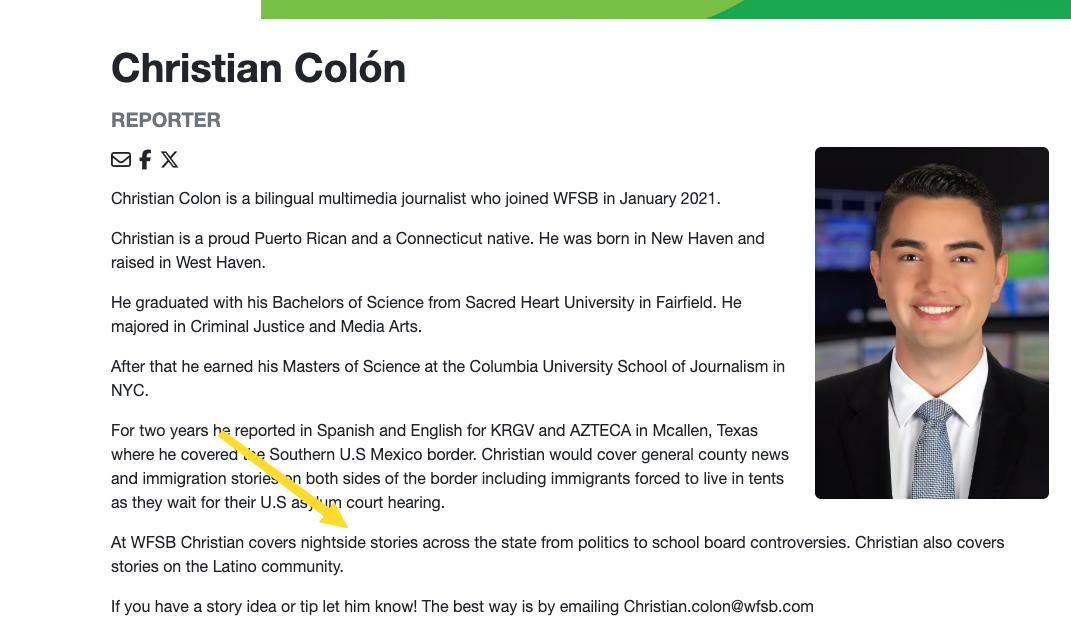
Mike searches bios for terms like “nightside” and “morning,” because “it may pop up in their bio.”
For instance, Christian Colon of WFSB.com lists his job title as a reporter. Only in his bio do we see that he is nightside.
At a non-broadcast outlet (newspapers and digital-only sites)
After a reporter, editors are next in line.
But in certain scenarios, “the smaller the site, the higher up you can go,” he agreed.
At a one-person operation, the editor is the reporter.
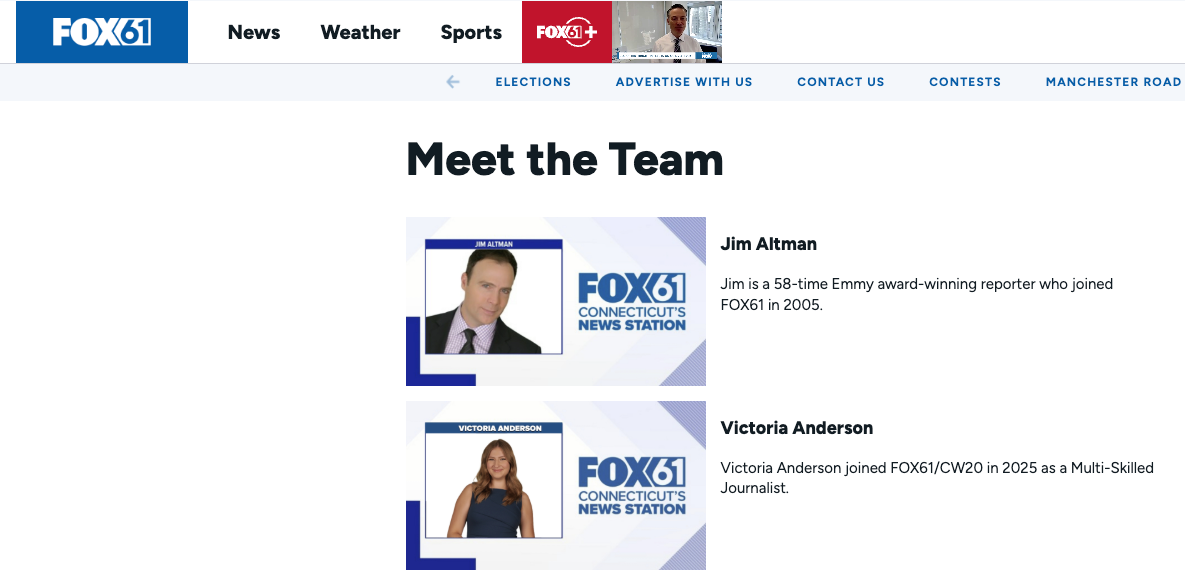
You can usually get a sense of the size from the About or Meet the Staff page.
I’ll get into this more in the next section.
How to Build Your List
Here’s a step-by-step guide to building your local list.
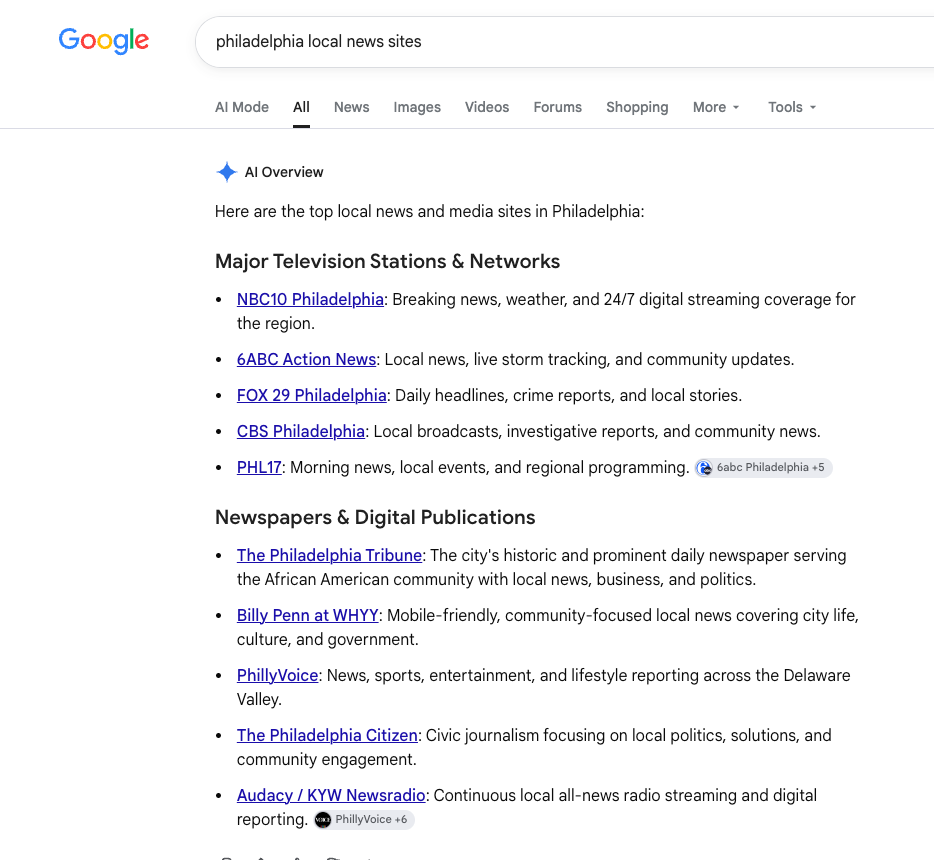
1. Map the market
Start with the core outlets in your target city.
First, identify print or digital newspapers, then move to the TV affiliates (typically NBC, CBS, ABC, FOX).
Then you can dig into the secondary local sites like Patch or local newsletter sites like 6AM City.
AI is typically very helpful at this these days:
And don’t sleep on radio.
Collin pointed out that iHeart has stations all over the country, so a city ranking that includes several iHeart markets can get picked up in more than one of them.
Plus, those stations have websites, so a radio pitch can still turn into online coverage.
2. Size up the newsroom
Typically, a newsroom will correlate with the population in a given area. Densely populated metro cities like New York City or Los Angeles need more reporters than a random Midwestern city.
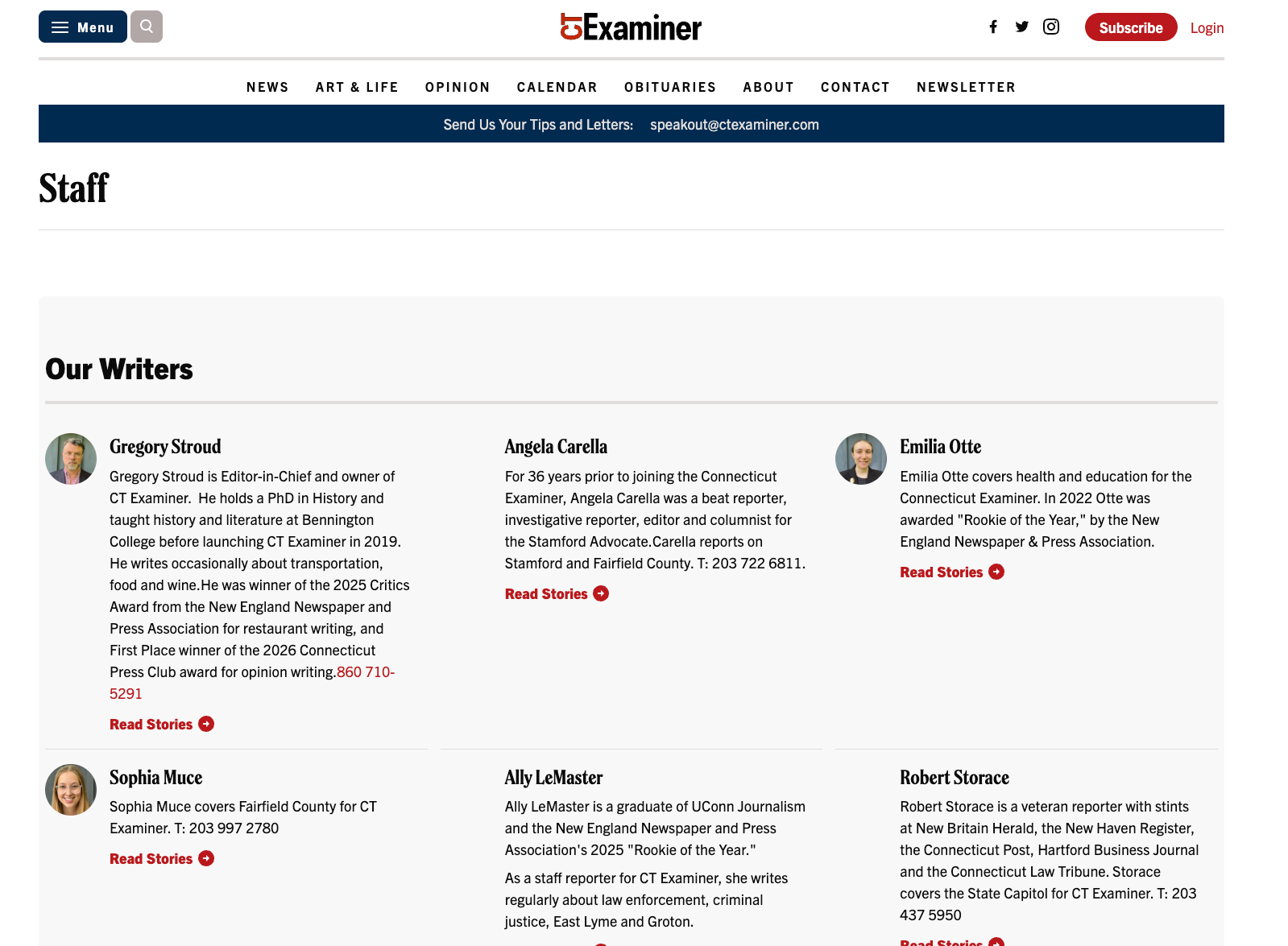
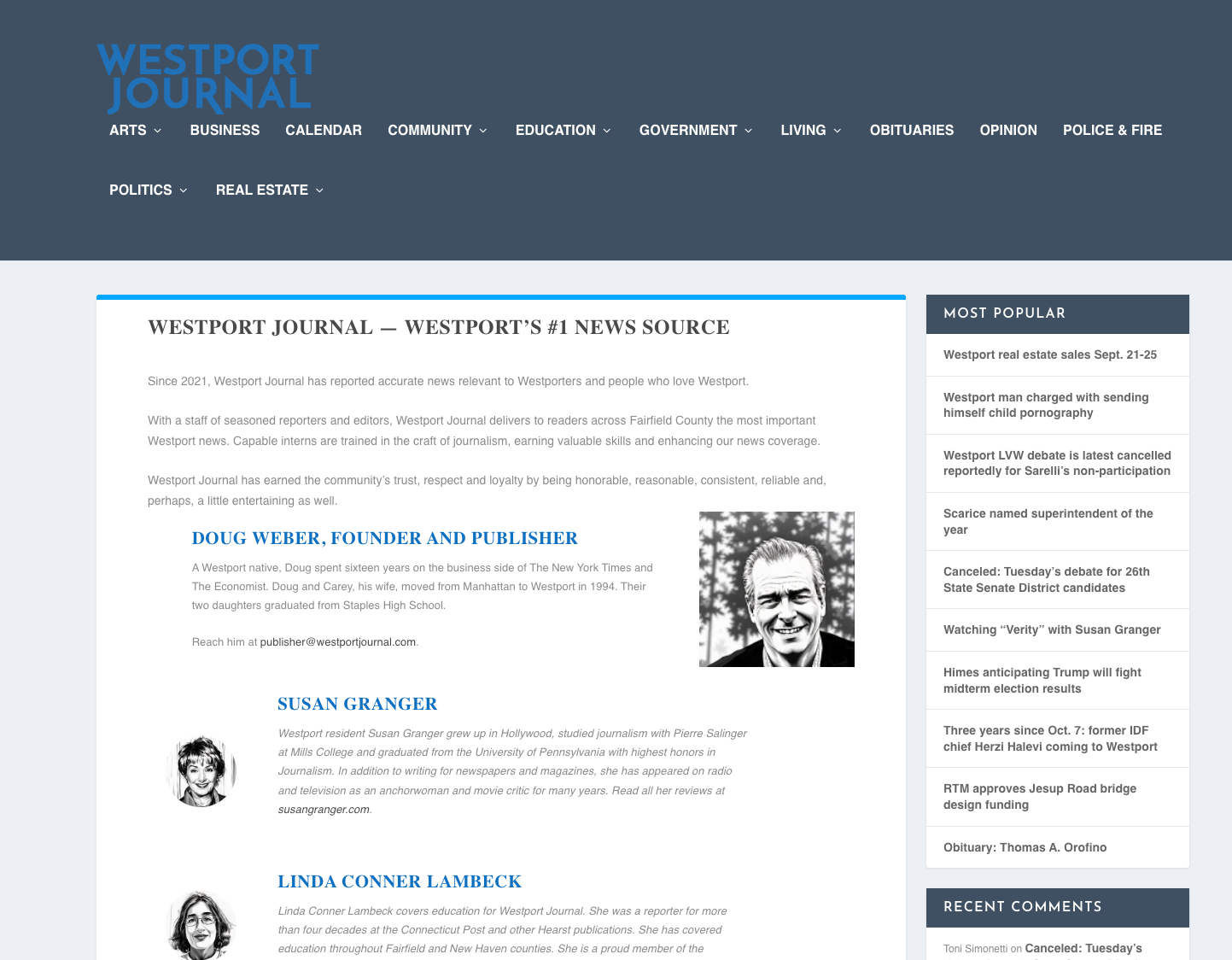
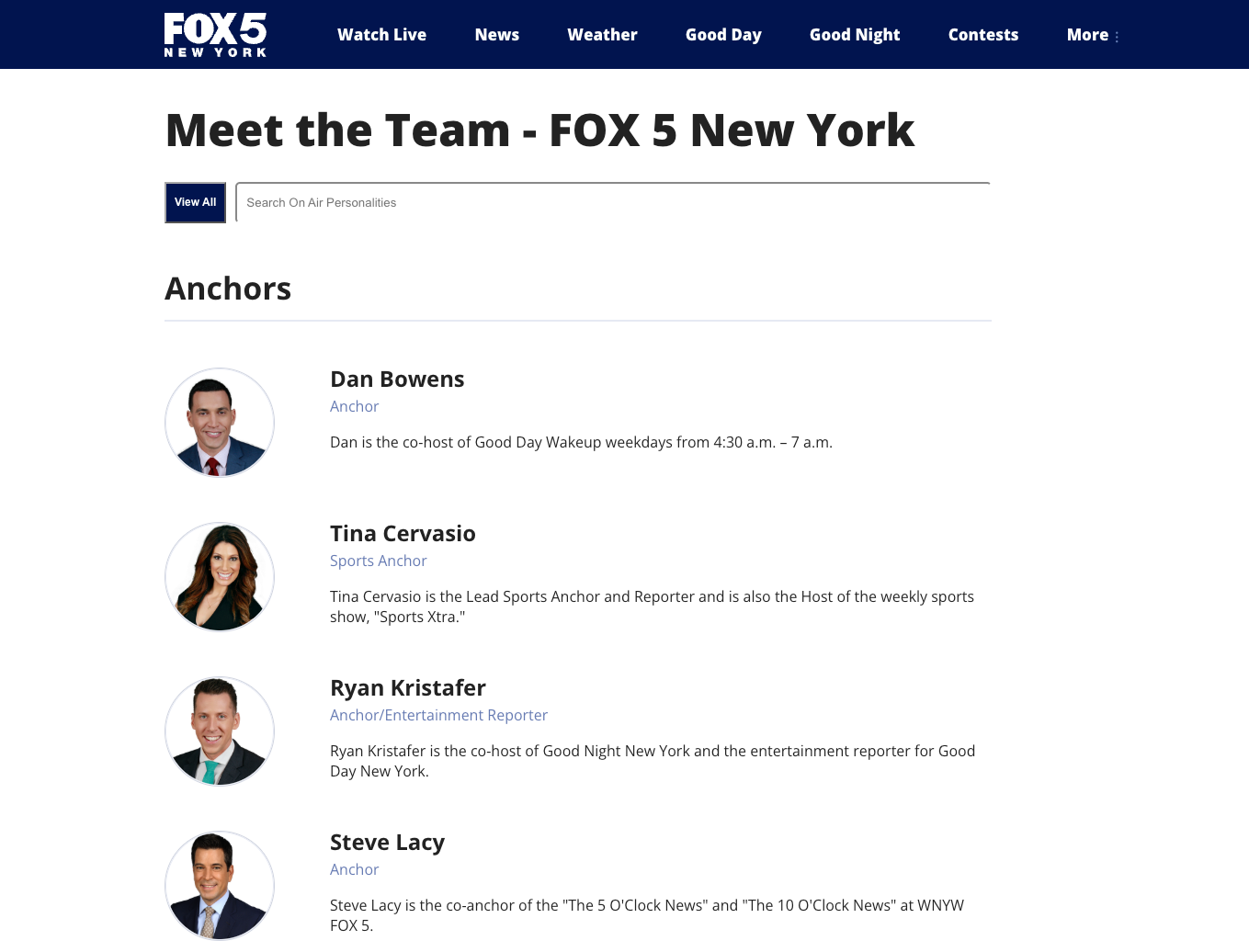
But before pitching an outlet for the first time, check the About or Staff page.
Here is CT Examiner’s staff page with 14 writers.
Smaller still is Westport, CT’s Westport Journal, which lists just seven staff:
For context, NYC’s Fox5 team page lists 30+ people, not including editors and other non-personality staff:
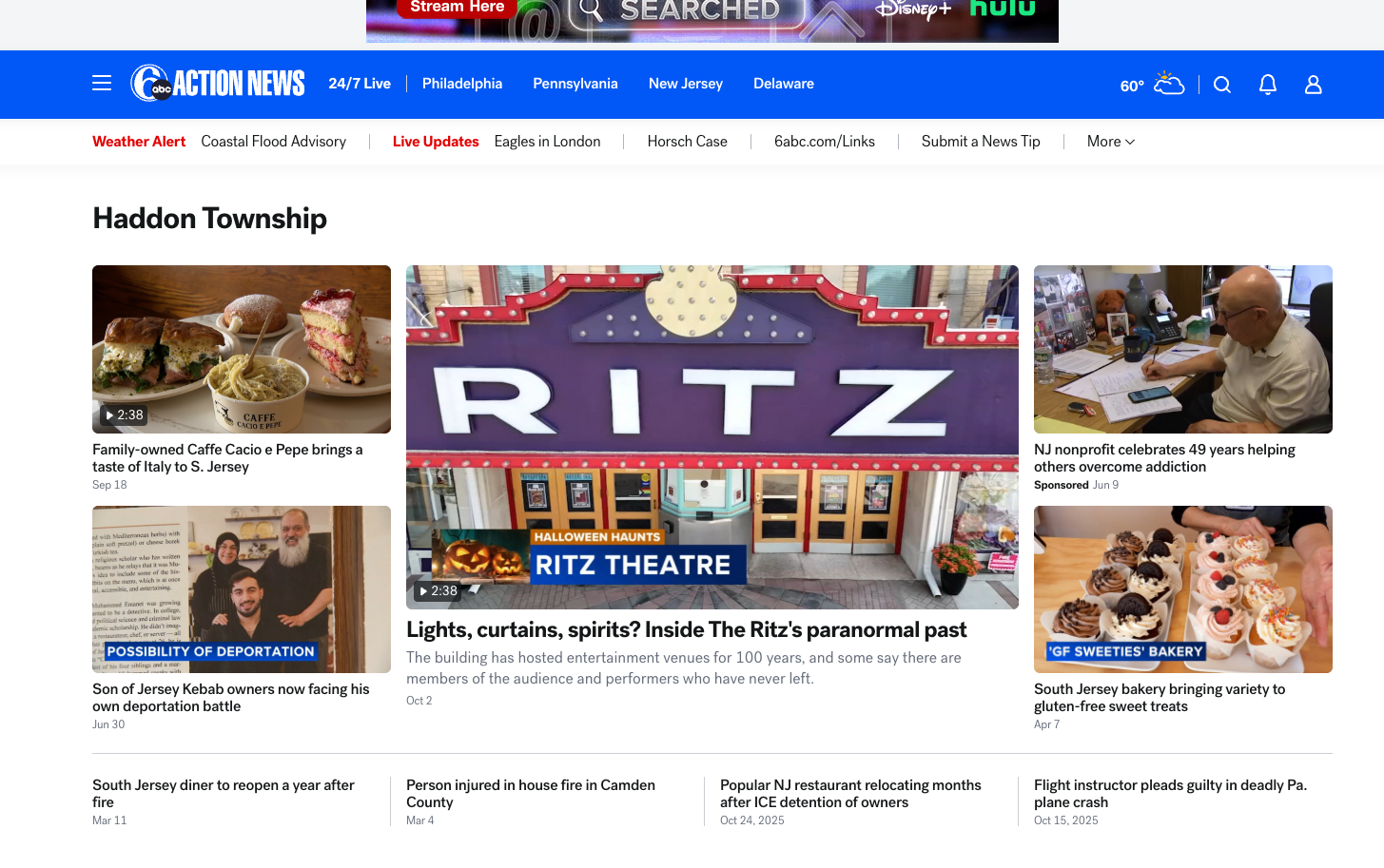
Often, smaller cities or counties are lumped into a larger metro news station’s category.
My hometown, Haddon Township, NJ, for instance, has a category section on a larger outlet on Philadelphia’s 6ABC Action News site:
3. Find journalists who have covered similar topics
Start hyper-focused based on articles the journalist or reporter has already written.
For most PRs, this is the step that’s slipping. In our 2026 report, only about 56% of PRs always review a journalist’s recent articles before pitching, down about 8% from last year.
If you are pitching a survey, find other reporters who have covered similar surveys in the same industry.
Do that by doing a site:search for similar keywords.
For instance, if I’m looking to get a client’s NJ-based restaurant included in a best X restaurant roundup post, I’d search for site: www.nj.com “best restaurants”.
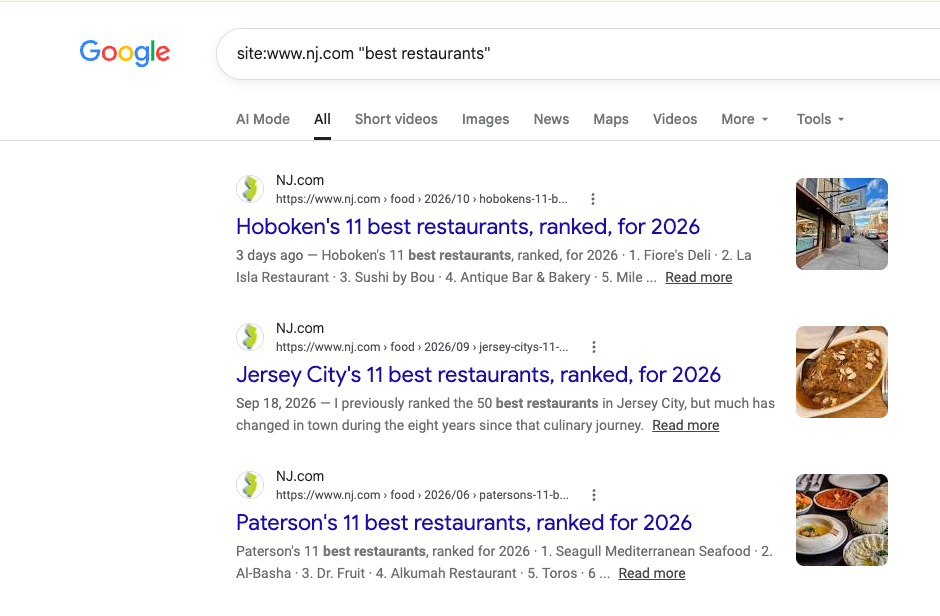
Then I’m clicking into them and checking the authors:
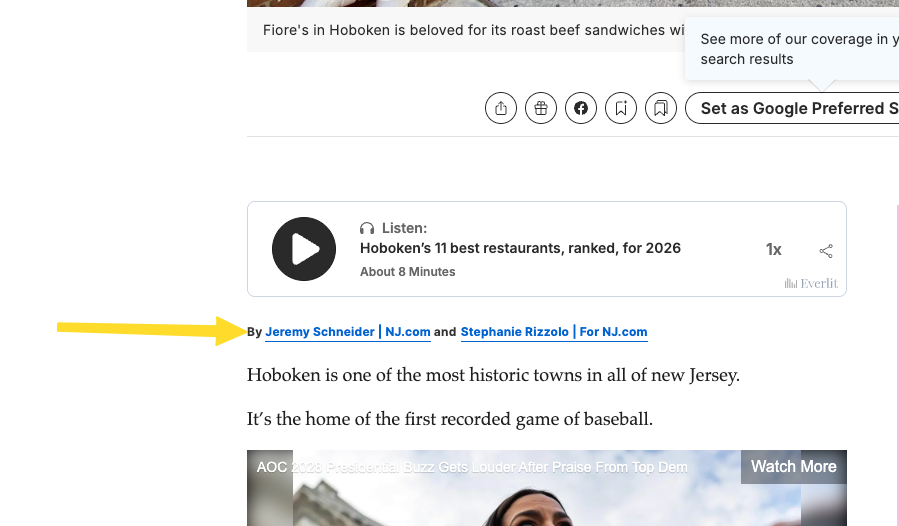
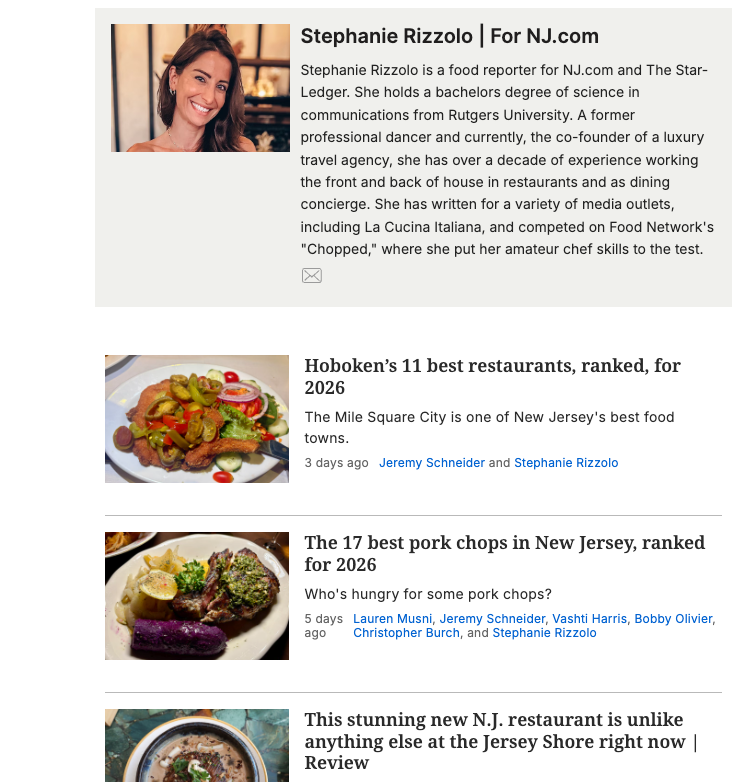
Both Jeremy and Stephanie’s author pages show their bios and the fact that they’ve recently covered similar listicle-type stories:
This process can be very time-consuming (which is why so many people skip it), but it’s the only way to cut through the noise.
[We built ListIQ to cut that time down.
It turns a Google News search into a media list in Google Sheets, with emails, bios, recent articles, and whether the journalist is still active at the outlet.]
Next, let’s get into the actual pitch process.
How to Write Your Pitch
Each type of local outlet needs slightly different information.
Here’s what my guests told me works for each:
| Format | What they need | How to write it |
|---|---|---|
| Local print/digital | A ready-to-run story with data | Collin writes it “in the style of a news story” so a short-staffed journalist could “pretty much just really pull this” without many changes. Not a full press release. |
| Local TV | Visuals, an on-camera guest, graphics | Collin reads his TV pitches in “the voice of a news anchor” to see if it plays. |
| Local morning shows | Fun visuals for the teaser, interviews for the main segment | Offer hands-on segments for a reporter. |
| Radio | A host or guest who can talk | Collin pitches the host at smaller stations. |
Going a bit deeper, here are some tips for crafting the pitches.
Give them what they need to write the article
Local journalists typically need more information than nationals because they are so time-poor.
So, when you write a pitch, include everything they need to write the article without emailing you.
If it’s a data-based pitch, give them access to the data.
If it’s commentary, give them the actual comments. Or, if you are syncing up with a journalist, share times your expert will be available so they can schedule, rather than leaving the ball in their court.
If it’s an event, give them the who, what, where, when.
Check out our post with several media pitch examples for some real templates.
Match the subject line
Journalist inboxes are notoriously overloaded.
Typically, we recommend matching the subject line to a journalist’s headline style.
Go to their author page and look at how they write their pitches.
If I were pitching Kelsey Gibbs from News Channel 5 Nashville, I’d notice she writes headlines with a subject + verb.
- Nashville travelers leave…
- Nashville property owner sells…
- Federal judge dismisses…
(I’d also be sure to say Nashville in my subject line.)

You can also judge by the homepage.
If most of the homepage is comprised of a single story (like the storm in the screenshot below), that’s usually a signal to hold off on pitching.
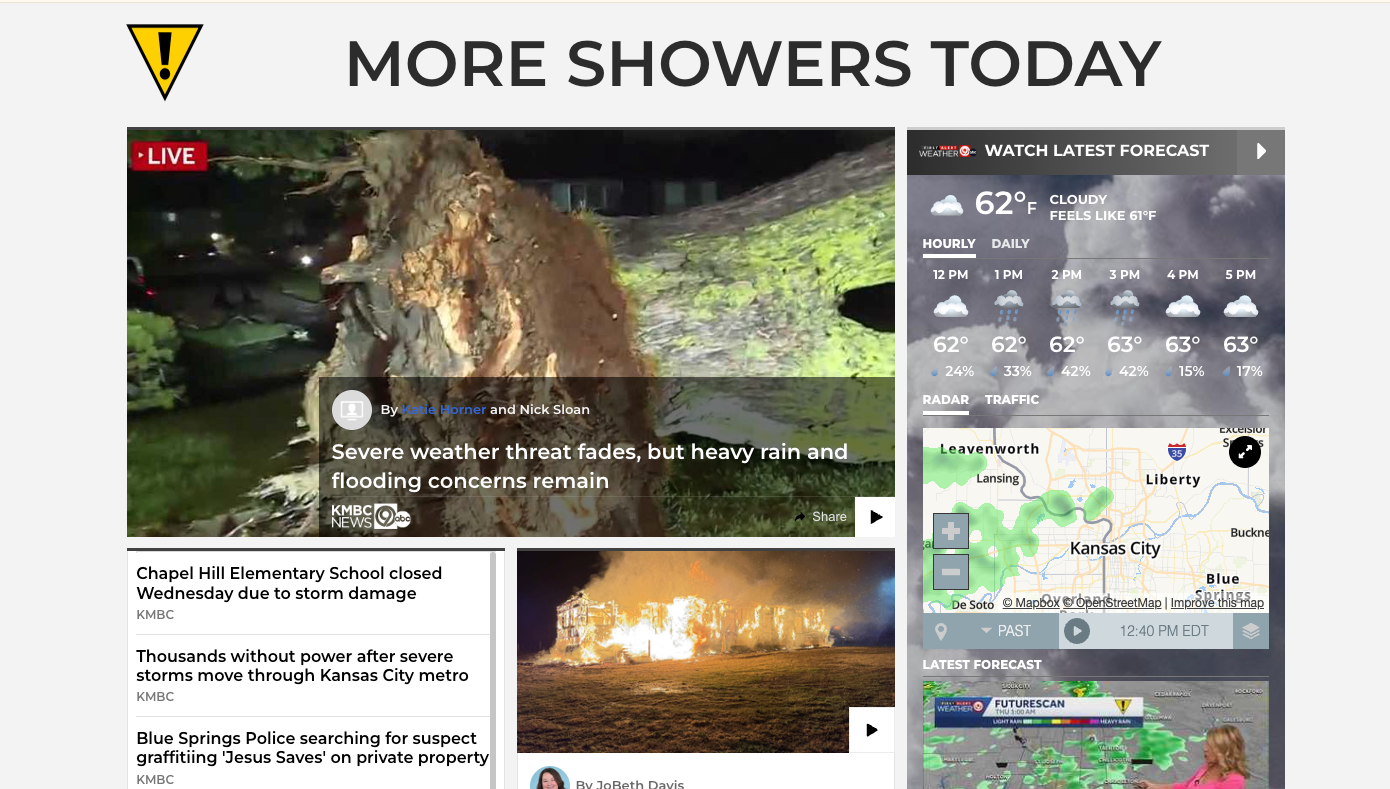
Journalists at local news outlets are typically pulled into covering different beats on these occasions as well, leaving no time to cover their own beats.
What Makes a Story Work Locally
The best way to understand what works in local markets is to watch, read, and listen.
Collin told me he keeps a streaming app with local Fox affiliates running in the background every morning to learn “not only what they’re talking about, but how they’re talking about it.”
In many markets, breaking news eats everything, and it can get crowded fast.
So your story has to earn its spot. Here’s what helps.
A real local angle
Some stories, like local events or restaurant openings, are enough to satisfy a local community.
But if you are trying to pitch a data study, for instance, it needs to impact the location you are pitching.
City index studies became a strategy because they highlight a city as the “best” at something, giving the local news something to brag about.
Ask: how does my story or pitch impact the local community?
Traffic reports, shootings, car crashes, and weather dominate local news stations because they clearly impact the local community.
Remember, local newsrooms have traffic and viewership goals, just like your own sites or clients.
Give it a local face
Can you get local people involved?
If your event is just a salesperson demoing a product, that’s not much of a draw.
But a local family or local chef who uses it and can talk about it?
Here is a story announcing Girl Scout Cookies’ new Exploremores cookie on Michigan news station WLUC:

The story focused only on the cookie and its release, which, to some, might be the news.
But for Atlanta-based news outlet Atlanta Journal-Constitution, the story features the girls on the box because they are based in the Atlanta area.

That’s an example of taking a general news story and localizing it.
Something to show (for TV)
Put yourself in a producer’s shoes.
They need video, graphics, and human beings.
The Girl Scout cookie girls in Atlanta are a perfect example.
But it doesn’t always have to be humans.
I once did a survey to see if people from different cities could spot their own skyline. It got TV coverage because it was a very visual story.
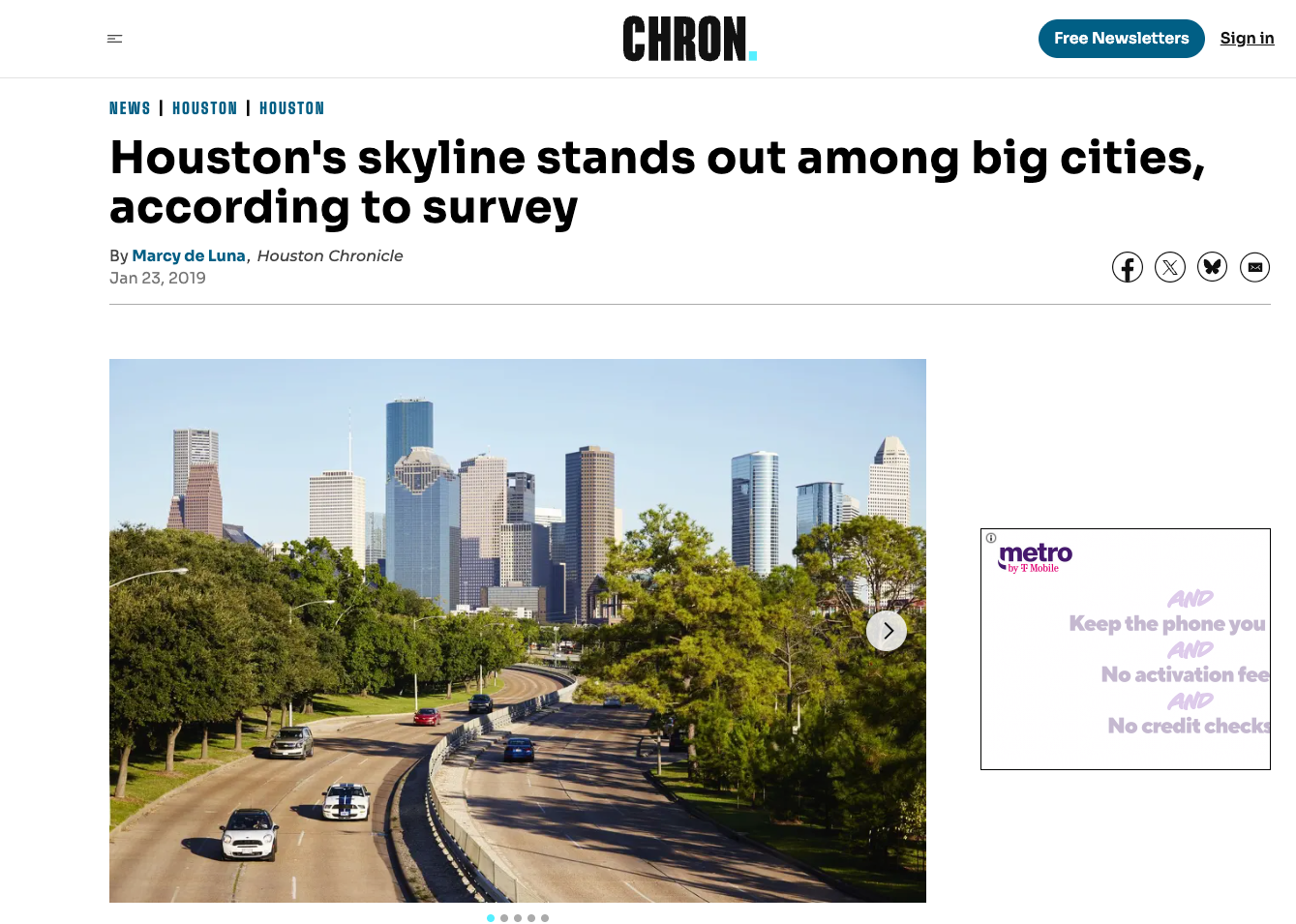
You can even go deeper.
If you want to pitch a story that might get local TV coverage, think about how it looks in the background of a reporter on the scene.
Is there construction happening? Is there a demonstration?
Here’s a story about a local Ninja Academy opening in LA on Fox11:
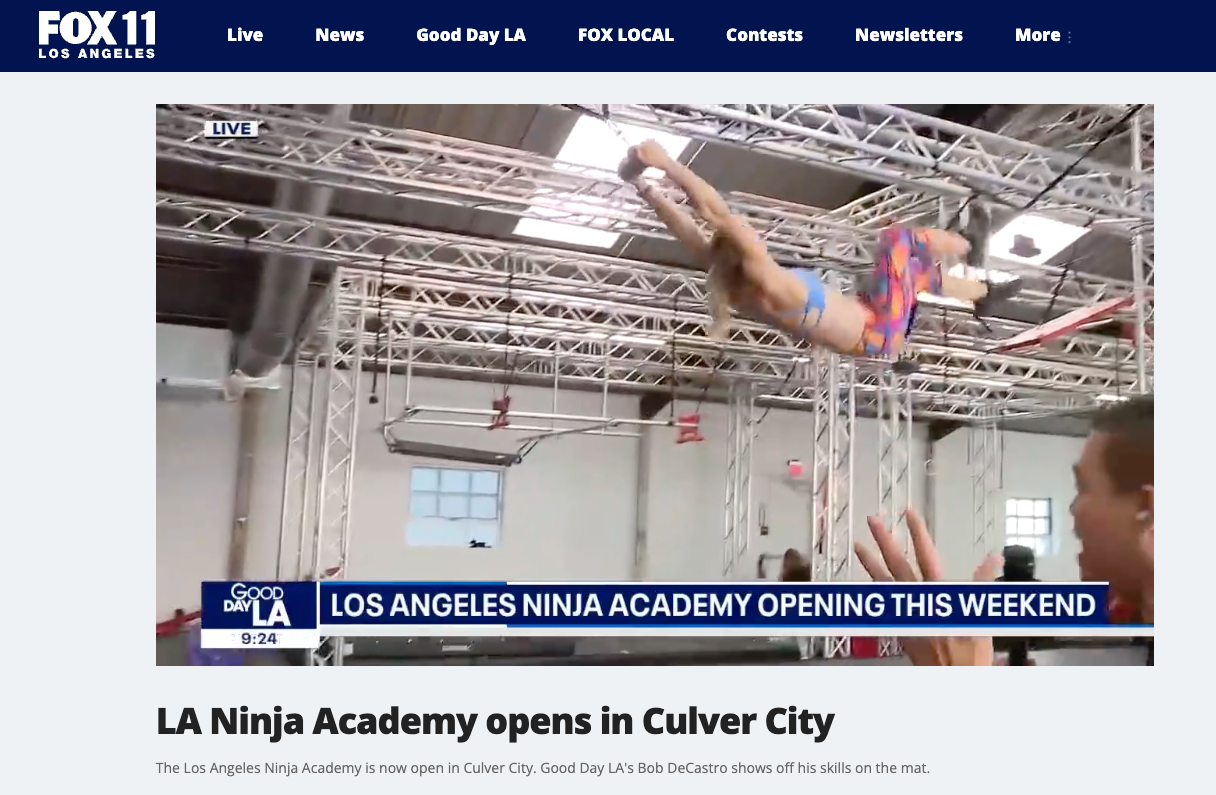
The story went to the scene and showed them actually doing acrobatics.
The local host even got in on the action and did some activities on the mats.
Here’s another where they show off how See’s Candy is made at a San Francisco candy shop to showcase a holiday release:

These all make a local story something worth covering because they have a strong visual element.
A timely hook (a real one)
I’ve explained that every pitch should answer “ why now?”
If you can answer that, you put yourself in the mind of an assignment editor.
Going back to my podcast conversation with Mike, he told me that Boston news doesn’t cover restaurant openings.
But one of his clients named his restaurant after his great-grandmother and filmed his mom finding out. Then, he released it on Mother’s Day, and every station in Boston ran it.
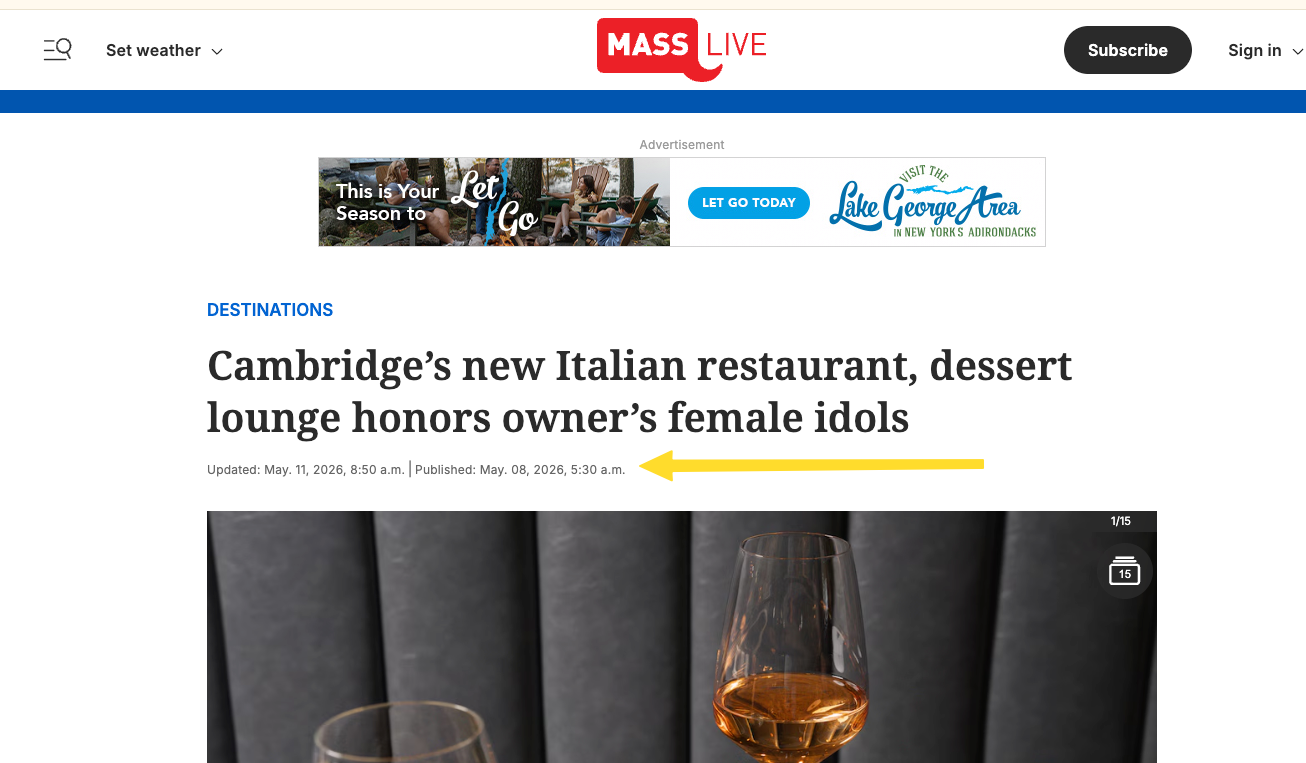
That’s a hook with a real timely connection.
Think Like the Producer
One idea kept coming up in all of my conversations: think like the person on the other end. Collin calls it having a “newsroom mentality.”
Mike said it best when he talked about his restaurant client: “You have to always be thinking like a producer.”
Local newsrooms are short-staffed and moving fast.
If you make their job easier with the right reporter, a real local angle, something to show, and the right timing, they’re one of the best PR opportunities.
So, pick one city. Build a tight list. Pitch it before the morning meeting.
Good luck!



 Check out the BuzzStream Podcast